

What Attracts Centipedes (and How to Keep Them Out of Your Home)
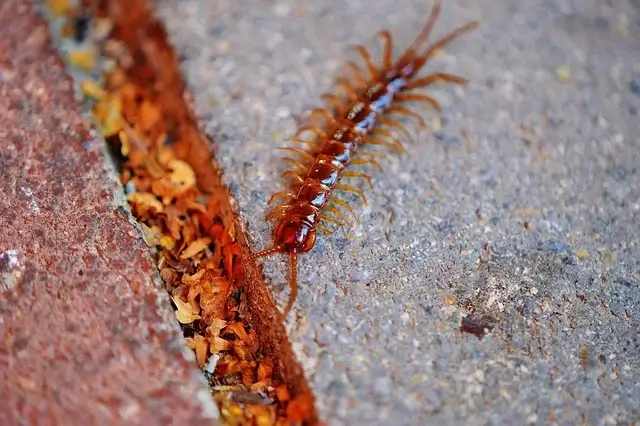
Skittery, slippery, and swift, centipedes are among the most unsettling arthropods to spot inside your house. These creepy crawlies move with dozens of wiggling legs, hide in tight crevices, and appear without warning, often at night. If you’ve recently seen one in your home, understanding what attracts centipedes is the key to keeping them from becoming an ongoing centipede problem.
At A-1 Pest Control, we help homeowners throughout North Carolina identify what attracts centipedes indoors, why house centipedes settle into certain rooms, and how to prevent centipedes in the first place.
Table of Contents
What Attracts Centipedes Into Your House?
Most homeowners want to know one thing: Why are centipedes suddenly showing up in my home?
The truth is that several common household conditions can create an environment that attracts centipedes and encourages them to stay.
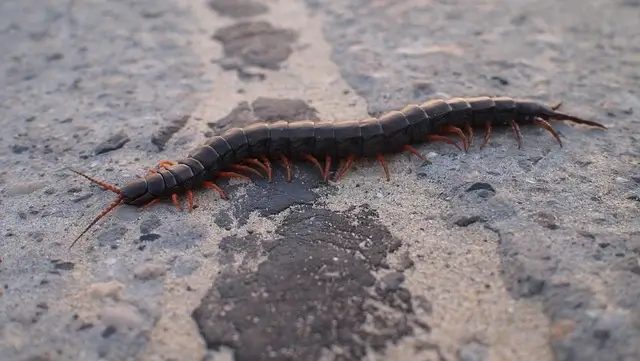
Moisture Levels and Damp Environments
Centipedes prefer moist, damp areas, which is why they’re often found in crawl spaces, basements, floor drains, bathrooms, and laundry rooms. Excess moisture, high humidity, or poor ventilation makes it easier for many insects to thrive, giving centipedes an abundant food source.
Why moisture attracts centipedes:
- Damp air helps centipedes survive since they lose water quickly.
- Moist areas support the other pests and other insects that centipedes feed on.
- Spaces like cement block walls, attics, and old boxes tend to trap humidity.
How to reduce moisture levels:
- Install or upgrade a dehumidifier.
- Repair leaks and improve ventilation.
- Encapsulate crawl spaces to reduce long-term moisture problems.
A Reliable Food Source (Insects, Spiders, and More)
If you’re seeing centipedes, you likely have many insects in the home. These predators actively hunt spiders, cockroaches, silverfish, ants, and other soft-bodied bugs. A large population of pests is one of the biggest factors that attracts house centipedes.
Common pests centipedes eat:
- Small spiders
- Cockroaches
- Silverfish
- Ants
- Mites
- Small arthropods
Since centipedes are predators, controlling the food source is one of the most effective ways to prevent centipedes.
Dark, Sheltered Spaces Where Centipedes Hide
Centipedes hide during the day and emerge at night to hunt. They seek out protected, cluttered environments like:

- Piles of clutter
- Cardboard boxes
- Storage rooms
- Behind walls
- Under the floor
- Inside crawl spaces
- Along baseboards and in crevices
Keeping storage organized and minimizing clutter helps disrupt these hiding places.
Exterior Moisture, Mulch, and Organic Debris
Outdoors, centipedes thrive under leaf litter, decaying vegetation, old logs, and other debris. Thick mulch layers can hold dampness that keeps centipedes and the pests they hunt close to your foundation.
Entry Points and Structural Openings
Centipedes slip inside through tiny gaps you may not even notice.
- Foundation cracks
- Gaps around doors and windows
- Openings around pipes and wiring
- Unsealed utility penetrations
- Loose screens
Any area that allows pests or moisture in can also attract centipedes indoors. Caulking and weatherproofing to seal cracks reduces pest activity and helps prevent centipedes from entering.
Temperature Changes
Sudden temperature swings outdoors can push centipedes toward the climate-controlled comfort of your home. They tend to move indoors when weather is unusually hot and dry, Ccnditions outdoors become too cold, or if they’re searching for a warmer, more stable environment.
Insulating your home properly can help reduce this type of seasonal infestation.
How to Deter Centipedes
Understanding what attracts centipedes is only half the equation. Here’s what they hate most, and what you can use to deter them.
Natural repellents can help discourage centipede activity, especially in high-risk areas.
Centipedes dislike:
- Peppermint oil
- Cedar oil
- Citrus
- Eucalyptus
- Dry Environments
- Bright light
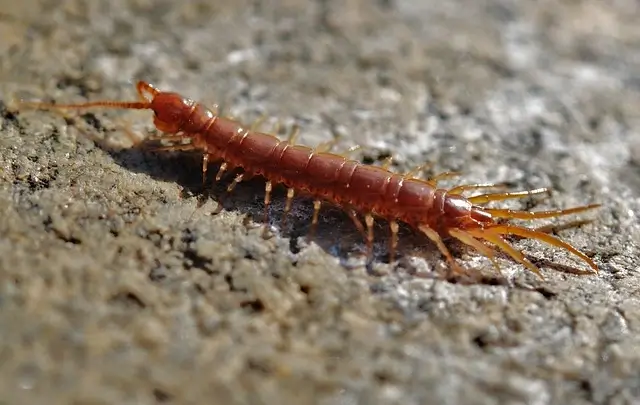
These conditions reduce the resources they rely on to survive.
Do Centipedes Climb Into Beds?
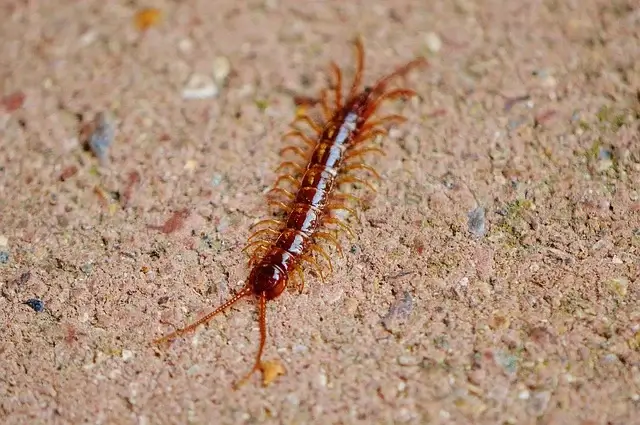
It’s rare, but possible.
Centipedes can climb walls, furniture legs, and fabrics as they explore or chase prey. While they tend to stay in damp, ground-level spaces, a house centipede may wind up in a room if the environment supports insects.
Fortunately most species avoid human contact, and centipedes rarely bite humans. Plus, their venom is not dangerous to people or pets, though bites can sting.
If centipedes are getting close to sleeping areas, the underlying problem is usually a high population of other pests.
How to Get Rid of Centipedes and Prevent Future Infestations
Before calling A-1, here are a few effective first steps you can take at home:
Professional Pest Control for Centipedes in NC
If your centipede problem continues or if you suspect you have many insects attracting them, professional help is the most effective long-term solution. A-1 Pest Control offers targeted treatments, inspection services, and year-round plans designed to protect your home from centipedes and other pests.
We proudly serve Western North Carolina from our Lenoir office, including including Blowing Rock, Mooresville, Hickory, West Jefferson, and Asheville.
Schedule a free inspection today by calling 828-481-9140, or complete our contact form below.
Schedule Your Free Inspection
Complete the form to schedule your no obligation estimate with A-1 Pest Control.
"*" indicates required fields