

Best Termite Bait Station for Homes in Western North Carolina
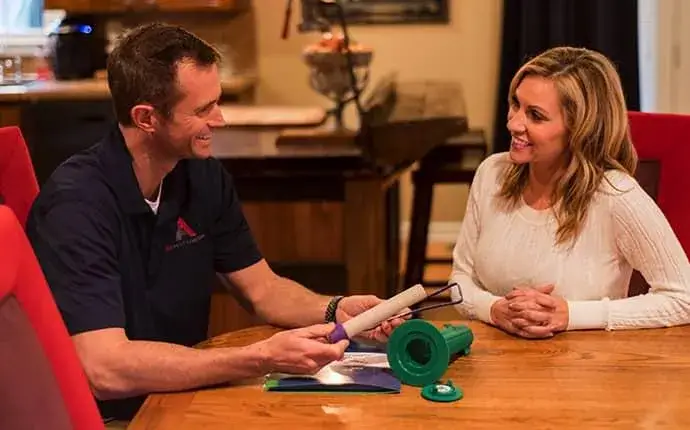
Sentricon systems are highly effective in termite control due to their extremely effective termite bait, and they are widely considered one of the best termite bait station options for homes in Western North Carolina. These baiting systems draw termites away from your home and into the bait stations. Once ingested, the active ingredient disrupts termite molting, ultimately leading to colony elimination.
Sentricon’s proven track record, minimal environmental impact, and ability to target entire termite colonies make it a trusted choice for long-term termite protection. If you’re a homeowner who wants real answers and real protection, this is exactly the kind of system you should be looking at.
Whether you’ve lived in your home for years or you’re protecting a new build, choosing the best termite bait station matters because termites work quietly. A professionally monitored system gives you peace of mind and a way to catch termite activity before it turns into expensive damage.
Table of Contents
Quick Answer
If you’re comparing options and want a straight answer, the best termite bait station is one that is professionally installed, regularly monitored, and designed to eliminate termite colonies over time, not just stop termites in one spot.
That’s why A-1 Pest Control uses Sentricon® with Always Active™ as part of our termite baiting program in Western North Carolina. It gives us visibility, control, and long-term protection for our customers.
What Makes a Termite Bait Station the “Best”
When homeowners search “best termite bait station,” they’re usually trying to figure out what actually matters. From our experience in the field, these are the things that make the biggest difference.
Detecting termite activity
Subterranean termites stay hidden. A termite baiting system should make it easier to detect termite activity around the perimeter of your home where termites travel through soil and into wood. If we can see activity early, we can act early.
Supporting colony elimination
Termites live in termite colonies underground. A good bait station supports colony elimination by spreading termite bait through the colony’s feeding behavior instead of just stopping a few termites at the foundation.
Allowing regular monitoring and inspections
A termite control product without a monitoring plan is where homeowners get stuck. Termite stations need periodic inspection. Monitoring allows a technician to track termite activity, install active bait when needed, and maintain protection over time.
Minimizing disruption to your yard
Many homeowners prefer bait stations because installation usually involves less disturbance than trenching or drilling. Stations are placed in the soil around the property without tearing up landscaping or hardscapes.
Where Termites Burrow and Nest
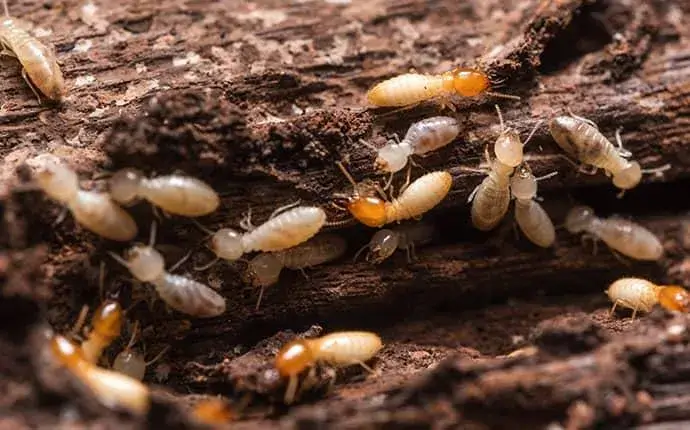
If subterranean termites were feeding on your home right now, would you know it? Would you see them chewing on your walls? Would you hear them in the floor? Would you smell them in the kitchen?
Unfortunately, no. Termites stay hidden, even from trained eyes. That’s why professional monitoring is so important.
Termites in Your Yard
When termites move through your yard, they tunnel underground. There are no surface trails like you see with ants. You can have a large termite colony in your soil and never see a thing.
They avoid light so strongly that even under porches, decks, or crawlspaces, they stay buried. Sometimes technicians have to dig slightly under crawlspaces just to confirm termite activity.
Termites in Your Walls and Crawl Spaces
When termites reach your foundation, they feed on any wood touching soil. If they can’t reach wood directly, they build shelter tubes to stay protected from light and air.
These tubes are often hidden:
- inside crawlspaces
- behind insulation
- inside block piers
- along foundation walls
In many inspections, termites are found inside cinder block piers. If an inspector doesn’t check each pier carefully, termites can be missed entirely.
How Sentricon Systems Work
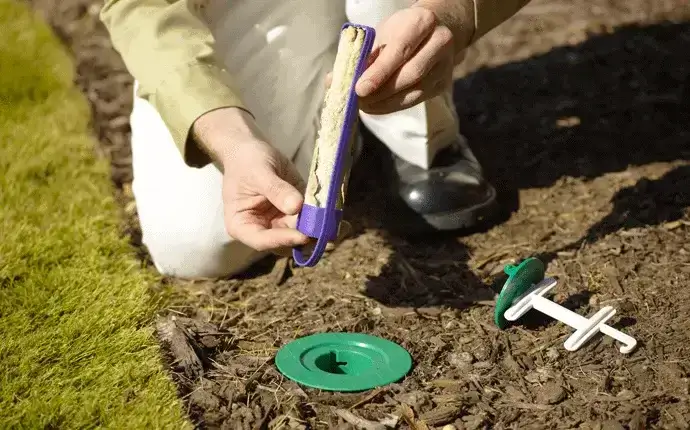
Sentricon systems make termite inspections straightforward. Your certified Sentricon® with Always Active™ technician inspects the Sentricon stations placed around your home’s perimeter.
Modern Sentricon stations use “always active” bait rods, providing continuous protection from installation. That means the system is ready to work as soon as it’s installed.
Instead of guessing what’s happening underground, monitoring stations give us a clear view of termite activity.
1. Termite Detection
If termites visit your property, we’ll know. Sentricon uses the recruiting behavior of worker termites. When a worker finds bait, it lays down a pheromone trail that brings more workers to the station.
Before long, noticeable feeding shows up in the station. That’s our signal that termite activity is present.
2. Termite Bait Station Ingredients
Sentricon systems use an active ingredient that termites cannot detect. It is not a traditional poison. It is an insect growth regulator that prevents termites from molting.
When termites cannot molt:
- they cannot grow
- they cannot reproduce
- the colony slowly collapses
Because termites can’t detect the active ingredient, they continue feeding and sharing it naturally throughout the colony.
How Termite Bait Stations Work in Real Life
Termite bait stations are installed in the ground around your home’s perimeter. Termites already travel through the soil looking for food. We aren’t trying to force them somewhere new. We’re meeting them where they already are.
Once termites find a station, they feed, recruit others, and carry bait back to the colony. That feeding behavior is what makes colony elimination possible.
Sentricon vs Liquid Termite Treatments
Liquid treatments can work. Homes treated with products like Termidor can remain protected when applications and inspections are done properly.
The difference is visibility. With liquid treatment, most of the activity happens underground and out of sight. With bait stations, we can see termite activity at each station.
When bait stations make the most sense
Bait stations are often preferred when:
- homeowners want visible monitoring
- trenching or drilling is difficult
- landscaping needs to stay intact
- long-term colony elimination is the goal
Can professionals combine methods?
Yes. In some active infestations, a targeted liquid treatment may be used for immediate relief while a termite baiting program handles long-term colony control. The right plan depends on the inspection.
Bait Stations vs Liquid Treatments
Here’s a simple way to compare a professional termite bait station system like Sentricon to liquid termite treatments in real-world use.
| Feature | Termite Bait Stations (Sentricon) | Liquid Termite Treatments |
|---|---|---|
| Primary goal | Colony elimination | Barrier protection |
| Monitoring | Visible through stations during inspection | Not visible once applied |
| Yard disruption | Minimal (stations installed in the ground around the perimeter) | May require trenching or drilling depending on the structure and soil |
| Active ingredient use | Very small, contained inside protected stations | Applied to larger areas of soil around the structure |
| Maintenance | Regular inspections and bait management | Follow-up inspections; reapplication depends on the treatment plan |
| Detection of activity | Yes, through monitoring stations and inspection cartridges | Limited (activity is typically underground and out of sight) |
Note: The right option depends on what a termite inspection finds and the conditions around your foundation and soil.
Safety and Ongoing Maintenance
Termite bait stations work best as part of a termite baiting program, not a one-time installation.
Are Sentricon stations safe for pets and children?
Stations are installed in the ground and designed to be tamper-resistant. Bait is contained inside protected stations, and the active ingredient is used in small, controlled amounts.
Why regular inspections matter
Regular inspections allow us to:
- detect termite activity early
- replace bait cartridges
- confirm system performance
- maintain protection over time
What you can do between visits
You can help reduce termite pressure by:
- keeping mulch and wood away from siding
- storing firewood away from the house
- fixing moisture problems near the foundation
- keeping crawlspaces dry when possible
Frequently Asked Questions About the Best Termite Bait Station
Do termite bait stations work for active infestations?
Yes. They can be used for both active infestations and prevention when monitored properly.
How often are stations checked?
A professional termite baiting program includes periodic inspections based on property conditions and termite pressure.
Can bait stations protect more than just the house?
Yes. They can help protect garages, sheds, fences, and other wooden structures on the property.
Why isn’t DIY pest control recommended for termites?
DIY systems lack professional placement, monitoring, and confirmation of colony elimination. Termite damage is too costly to gamble on.
Final Word: Sentricon Systems for Termite Control
If you need termite protection for your Western North Carolina home, let the termite control experts at A-1 Pest Control help. We use Sentricon systems because they give us real monitoring, real control, and real results against subterranean termites.
Give us a call at 828-481-9140 or fill out the form below to schedule a free termite inspection and get started.
Schedule Your Free Inspection
Complete the form to schedule your no obligation estimate with A-1 Pest Control.
"*" indicates required fields