

Black Widow Spiders
Black widow spiders are among the most recognizable—and feared—spiders in North America. Known for their shiny black bodies and the bright red hourglass shape on the underside of the female's abdomen, these spiders belong to the genus Latrodectus and are best known for their venomous bite.
While widow spiders are not naturally aggressive, they will bite in self defense if disturbed—often when hiding in dark, undisturbed areas of a home, garage, crawl space, or shed.
At A-1 Pest Control, we specialize in identifying and removing black widow spiders in North Carolina quickly and effectively, protecting your family, pets, and property from the dangers they pose.
What Are Black Widow Spiders?
Black widow spiders are a group of venomous arachnids known for their glossy black coloration and distinctive hourglass marking on the ventral side of the abdomen.
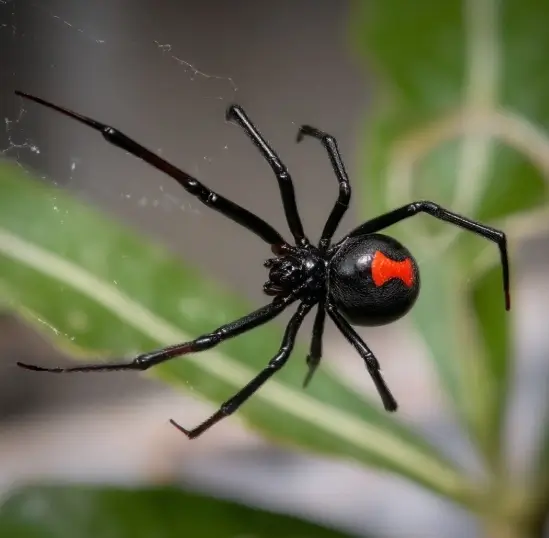
This family includes several species found throughout the U.S., including the southern black widow (Latrodectus mactans or L mactans), the northern black widow, and less commonly, the red widow and brown widow.
Widow spiders are part of the cobweb spiders family and spin irregular, sticky webs close to the ground. These webs are built to trap insects and other prey. Most black widows live in sheltered, dim, damp locations and avoid human interaction unless provoked.
Identifying Black Widow Spiders
Female Black Widows
The female black widow is the most recognized of all widow spiders. Females are about 1.5 inches long including the legs and have a shiny black appearance with a distinct red hourglass marking on the underside of the abdomen. Sometimes, red spots also appear on the dorsal side or back.
Male Black Widow Spiders
Male black widow spiders are smaller, lighter in color, and less venomous. They may have red or white markings on their backs and are generally not harmful to humans.
Northern vs. Southern Black Widows
Southern black widows typically have the classic hourglass shape on the underside of their abdomen. Northern black widows, however, may have a series of red spots or broken hourglass patterns, and sometimes show markings on the dorsal side as well.
Life Cycle, Mating, and Behavior
Mating and Egg Sacs
Female black widows produce several egg sacs during their lifetime, each containing hundreds of eggs. After the eggs incubate, the spiderlings disperse over several weeks to find shelter. Not all spiderlings survive—some are eaten by siblings, others by predators.
Digestive Process
Once prey is trapped in the web, the black widow uses digestive enzymes and venom to immobilize and break down the body of the insect, allowing for easy consumption.
Adult Males and Self Defense
Adult male black widows rarely bite and are often consumed after mating. Biting is typically a last resort, used in self defense. Most black widow bites occur when the spider is surprised or feels threatened.
The Black Widow Bite: What You Need to Know
The venom of a female black widow is 15 times stronger than that of a rattlesnake—though they inject only a small amount. Most bites occur when humans accidentally press against the spider or disturb its web.
A black widow spider bite often feels like a pinprick at first. Over time, those bitten suffer from symptoms such as:
- Severe pain at the bite site
- Muscle cramps or spasms
- Nausea or vomiting
- Sweating and fever
While deaths are rare, the venom can cause serious damage, especially in children, the elderly, or those with weakened immune systems. If bitten, seek medical attention immediately.
Black Widow Bites in Animals
While black widow venom is rarely fatal to larger animals, it can cause serious health issues, especially in smaller or older pets, or those with compromised immune systems. The venom contains a neurotoxin called latrotoxin, which affects the nervous system and can trigger painful symptoms.

Signs of a Black Widow Bite in Pets:
- Elevated heart rate and breathing
- Muscle tremors or rigidity
- Severe pain or vocalizing
- Drooling or vomiting
- Restlessness or anxiety
- Weakness or collapse
Cats tend to be more sensitive than dogs to black widow venom, and bites can progress quickly in smaller animals. If you suspect your pet has been bitten, seek veterinary care immediately—prompt treatment can make a big difference.
Black Widow vs. Other Spiders
While many spiders look similar, widow spiders stand out due to their body shape, coloring, and web type. Brown widow spiders are less aggressive and have a lighter brown body with orange or yellow hourglass markings. Red widows are much rarer and typically reside in Florida.
Unlike other spiders, black widows construct messy webs close to the ground and prefer enclosed, hidden locations. Their shiny black appearance, bright markings, and distinctive hourglass shape help separate them from other arachnids.
Frequently Asked Questions
What happens if you get bitten by a black widow?
Symptoms include severe pain, cramping, and nausea. Always seek medical attention immediately if bitten.
How poisonous is a black widow?
Their venom is highly toxic but rarely fatal. The female’s bite can cause serious symptoms and requires medical treatment.
What kills black widow spiders instantly?
Professional-grade insecticides are the most effective instant-kill solution. DIY solutions should be used very sparingly and carefully.
Where do black widow spiders live in the USA?
They are found across most of the U.S., especially in the South, West, and East Coast.
Where are black widow spiders found?
Black widow spiders are primarily found throughout the southern and western United States, but their range extends far beyond that. These venomous spiders thrive in temperate regions, meaning they can also be found in southern Canada, particularly in provinces like Ontario and British Columbia.