

How to Get Rid of Fire Ants in North Carolina
Fire ants in North Carolina are more than a minor nuisance. Their aggressive nature, painful stings, and large soil mounds can damage lawns, create hazards for kids and pets, and make outdoor areas hard to enjoy.
Whether you’re dealing with new mounds, an active infestation, or you want to prevent fire ants from returning, this guide explains what attracts them, why they persist, and what works for long-term control.
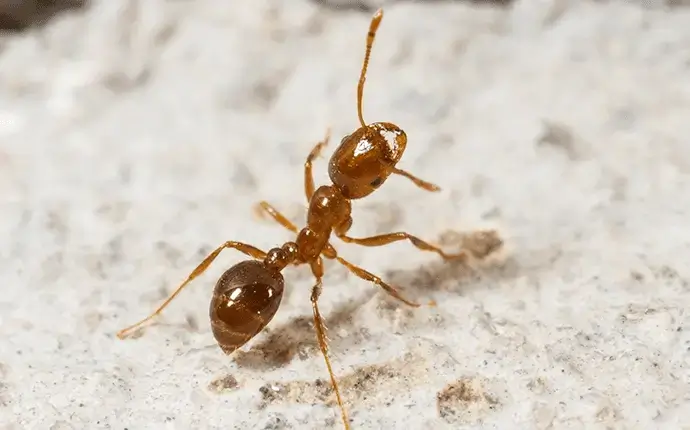
Table of Contents
Start Here If You Need Relief Fast
If your goal is how to get rid of fire ants even how to kill fire ants, focus on two priorities: eliminate the nest structure that protects the queen and stop new mounds from forming nearby.
Fire ant nests can run deep, and some colonies have multiple queens. That’s why surface sprays often knock down workers but don’t eliminate ants for good.
A practical plan usually combines:
- Broadcast baiting to reach the colony and queen
- Individual mound treatments where stings are likely (play areas, patios, walkways, pet runs)
- Prevention steps that make your yard less attractive
Fire Ants in North Carolina

The red imported fire ant is an invasive species originally from South America and is one of the most common problem ants in North Carolina. Red imported fire ant activity is most noticeable in sunny areas with open soil, but these ants can also travel into landscaping beds and toward the house when conditions push them to move.
Not every ant you see is a fire ant. Some native ant species and other ants look similar at a glance, so behavior matters: imported fire ants swarm quickly when disturbed and defend their territory aggressively.
Why They Show Up Suddenly
A new fire ant mound can appear fast when conditions are right. Common triggers include:
- Soil movement from landscaping, sod, or construction (which can spread treated colonies to new spots)
- Warm weather that increases foraging ants and mound building
- Food sources like pet bowls, trash leaks, fallen fruit, and spilled drinks
- Disturbed ground from aeration or clearing, which makes nesting easier
After heavy rain, you may notice more visible activity because ants rebuild and relocate. Fire ants can even form floating rafts in floods, which helps populations survive and spread.
How to Get Rid of Fire Ants in North Carolina
DIY attempts fail most often because they hit the surface but don’t reach the queen. To get rid of fire ants long-term, you need to target fire ants where they live: inside the nest and throughout the colony.
The Two-Step Method for Yard Control
How to Kill Fire Ants When You Need Quick Knockdown
Sometimes “kill fire ants” means “stop stings today.” If a mound is near kids, pets, doorways, or electrical equipment, quick action matters.
What to Avoid
Some home approaches can be unsafe or make the problem worse:
- Diesel fuel or gasoline (hazardous for people, pets, and soil)
- Mixing pesticides or applying non-labeled products
- Over-treating and driving ants into new areas
If you’re seeing activity near wiring, equipment, or indoor entry points, professional fire ant treatment is often the safest route.
Natural and Organic Methods
Organic methods can help in specific situations, but most require multiple applications and may not eliminate a mature colony on their own.
- Boiling water / hot water: A boiling water treatment can kill ants on contact if it reaches deep enough, but it often takes repeat treatments.
- Diatomaceous earth: Works best when dry and placed on trails or entry points; results vary for deep nests.
- Citrus oil (d limonene): Some products repel or kill on contact depending on formulation; follow label directions.
- Peppermint oil: May deter trail activity near entry points but rarely ends an infestation alone.
- Beneficial nematodes: These biological control agents may help reduce some soil pests and can support an integrated plan.
Where You’ll Find Them Around the Property
Fire ants often build in lawns and garden beds, under shrubs, near driveways and foundations, and inside rotting logs. During temperature swings or after storms, they may move closer to the house or indoors to find shelter.
How to Prevent Fire Ants From Returning
To prevent fire ants, you want to reduce what supports nesting and growth:
- Keep outdoor areas clean and limit easy food sources
- Manage moisture and avoid overwatering
- Watch for new activity after rain and address active mounds early
- Consider seasonal broadcast baiting as maintenance, especially in warmer months
FAQs About Fire Ants in North Carolina
How dangerous are stings?
Stings can cause burning, swelling, and a white pustule within 24 hours. Most reactions resolve, but seek medical attention right away for trouble breathing, facial/throat swelling, dizziness, or signs of a severe reaction.
What attracts fire ants to your yard?
Loose soil, steady moisture, and accessible food are the big drivers. Disturbed ground, pet feeding areas, trash leaks, and irrigated lawns can all contribute.
What do fire ants hate the most?
They do poorly with repeated disruption of their food supply and successful baiting that reaches the queen. For short-term deterrence, some people use strong-smelling repellents (like peppermint oil), but lasting results typically come from baiting plus targeted treatments.
What do farmers use to kill fire ants?
On larger properties, the approach often relies on broadcast baiting with bait products across wider acreage, paired with spot treatments where mounds create immediate hazards.
Do Dish Soap, Club Soda, or Boric Acid Work?
- Will Dawn dish soap kill fire ants? Dish soap can kill ants on contact by breaking down their protective coating, but it usually won’t eliminate the queen deep in the nest.
- Club soda: Sometimes used as a quick home remedy, but results are inconsistent for full control.
- Boric acid: Can work in bait-style setups for certain ants, but it’s not always reliable for large imported fire ant colonies outdoors.
Professional Fire Ant Control in North Carolina
A-1 Pest Control’s fire ant control process typically includes inspection, targeted applications, and ongoing monitoring to reduce re-infestation. If you’re dealing with repeated activity or mounds near high-risk areas, professional help can save time and reduce sting exposure.
If you’re dealing with active mounds or want to prevent future infestations, schedule a free ant inspection with A-1 Pest Control today. Call 828-481-9140 or complete the contact form below to get started.
Schedule Your Free Inspection
Complete the form to schedule your no obligation estimate with A-1 Pest Control.
"*" indicates required fields