

Bugs That Look Like Termites in Your Home
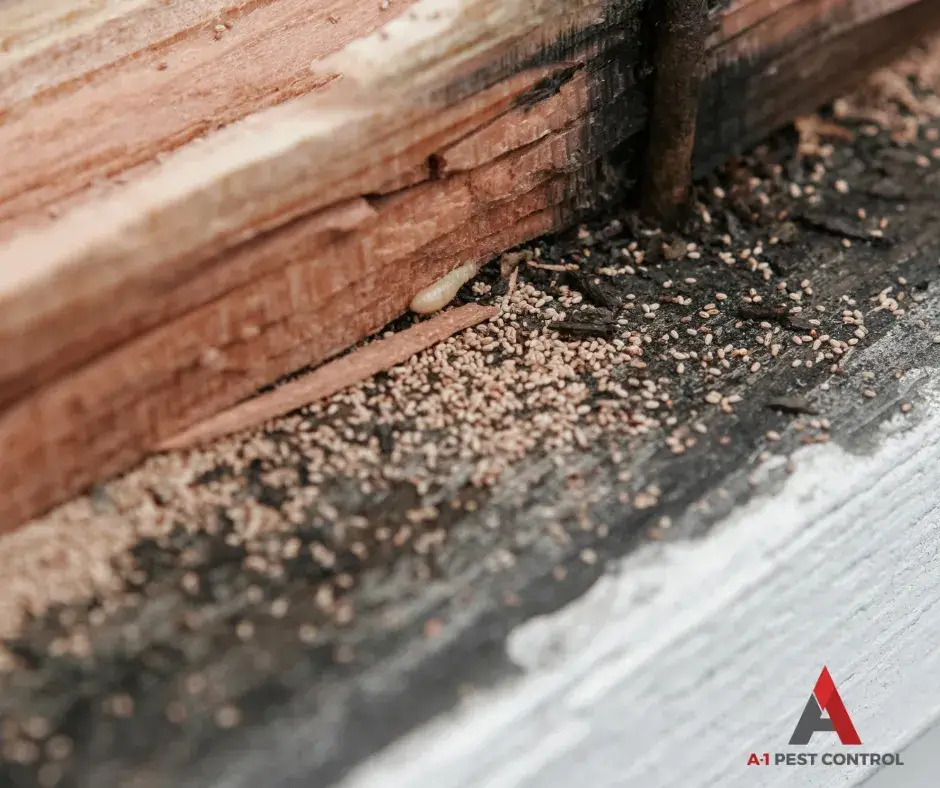
Bugs that look like termites are a common source of concern for homeowners, especially after spotting insects near wood surfaces, inside walls, or around windows and doors. Several flying insects and crawling pests closely resemble termites at first glance, which can make identification difficult. Correct identification matters because a termite infestation presents very different risks than other insects that may only nest nearby.
This guide explains what termites look like, which bugs are commonly mistaken for them, how to spot physical differences, and what signs indicate a termite colony may be active in or around your house.
Table of Contents
Termites at a Glance
Most termites are small insects measuring between ¼ and ½ inch long. Their bodies are soft and uniform in width, without the narrow waist seen in ants. Depending on species and role within the colony, termites may appear white, light brown, or dark brown.
Winged termites, often called swarmers or reproductive termites, have four wings that are the same size and shape. When folded, the wings extend past the body and are commonly shed after swarming. Termite antennae are straight and bead-like rather than bent or elbowed.
Most termites remain hidden inside wood or soil and are rarely visible unless a swarm occurs or wood damage has progressed.
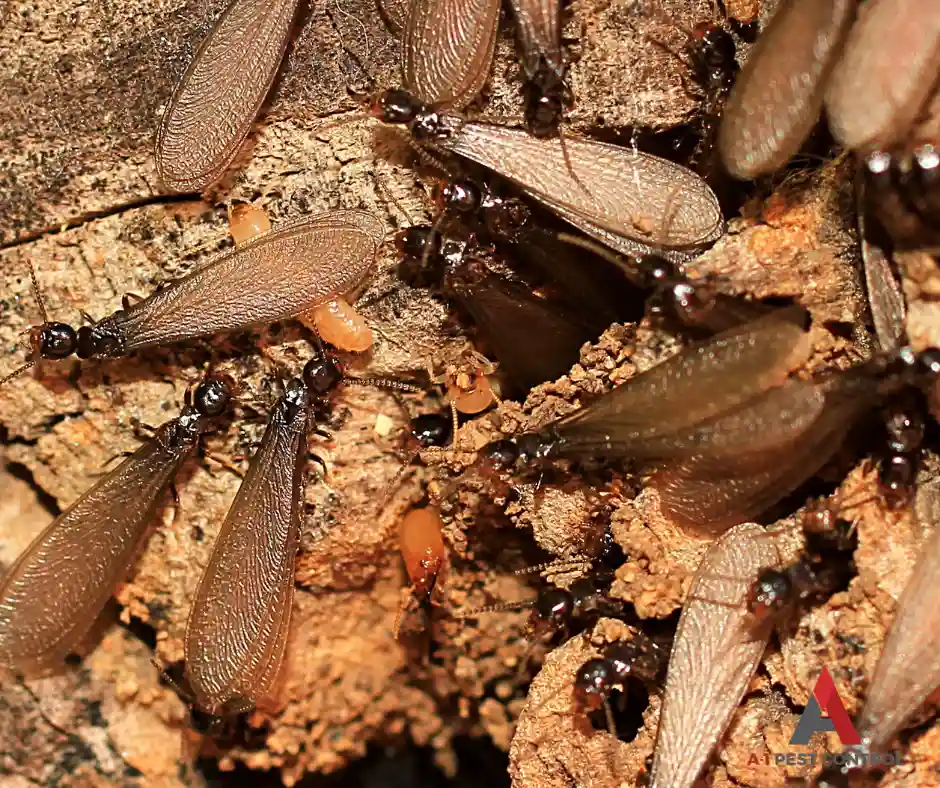
Common physical traits include:
- Straight antennae
- Broad, straight waist
- Four wings of equal length
- Soft bodies
- Activity near wooden structures or the home’s foundation
Why So Many Bugs Look Like Termites
Several insects share similar size, body shape, or coloration with termites. Swarming behavior during mating season often adds to the confusion, especially when ants fly indoors or gather around lights. While many of these bugs look alike at first glance, differences in antennae, wings, and body shape provide reliable clues.
Understanding these distinctions helps homeowners avoid misidentification and unnecessary treatments.
Quick Comparison: Bugs That Look Like Termites
| Feature | Termites | Flying Ants | Carpenter Ants | Powderpost Beetles |
|---|---|---|---|---|
| Body shape | Straight, broad waist | Narrow, pinched waist | Narrow waist | Oval or cylindrical |
| Antennae | Straight, bead-like | Elbowed antennae | Elbowed antennae | Short antennae |
| Wings | Four wings, same size | Uneven wing sizes | Uneven wing sizes | No visible wings |
| Wing behavior | Wings shed after swarming | Wings usually stay attached | Wings stay attached | Do not swarm indoors |
| Wood interaction | Eat wood as food | Do not eat wood | Tunnel through wood to nest | Bore small holes in wood |
| Common sign | Mud tubes, discarded wings | Flying insects near lights | Carpenter ant tunnels | Powder-like debris |
Termites vs. Carpenter Ants
Carpenter ants are among the most common bugs that look like termites. Both insects may appear as winged insects indoors and are associated with wood.
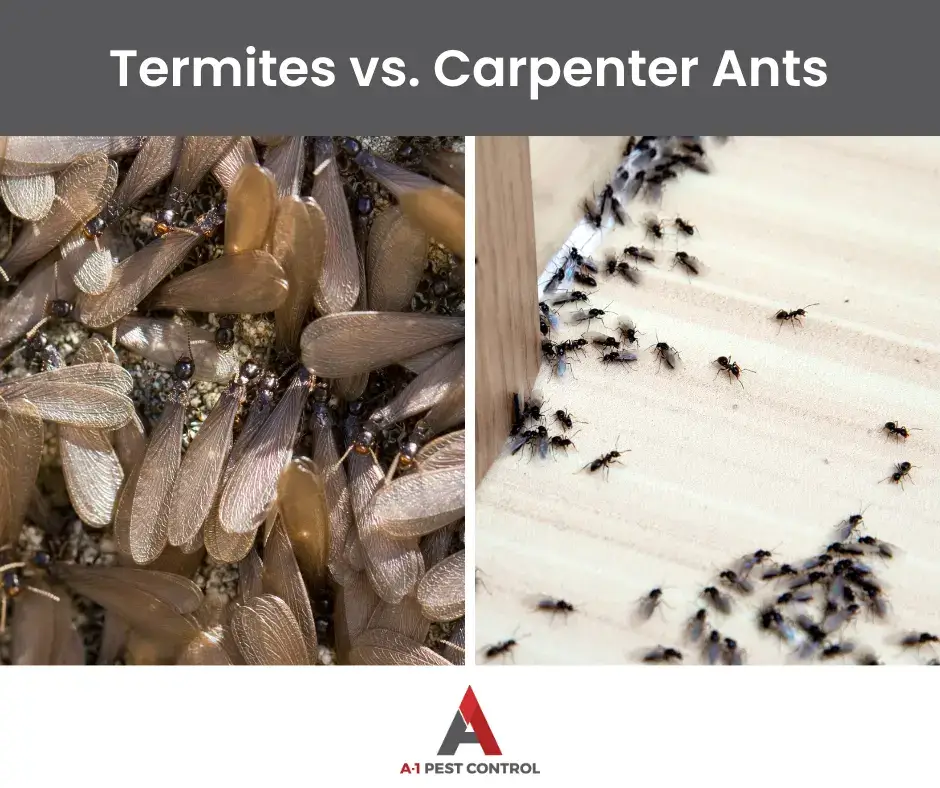
Carpenter ants have elbowed antennae, a narrow waist, and uneven wing sizes, with the front wings longer than the hind wings. They do not eat wood. Instead, they excavate carpenter ant tunnels through moist or decaying wood to create nesting space. Carpenter ant damage often includes smooth galleries and debris pushed out near walls or foundations.
Termites eat wood as a food source. Their wings are the same size, their antennae are straight, and their body shape appears more cylindrical. Termite damage often occurs inside walls, floors, or support beams and may not be visible right away.
Key differences to look for:
- Termites: straight antennae, same-size wings, broad waist
- Carpenter ants: bent antennae, uneven wings, narrow waist
Flying Ants vs. Flying Termites
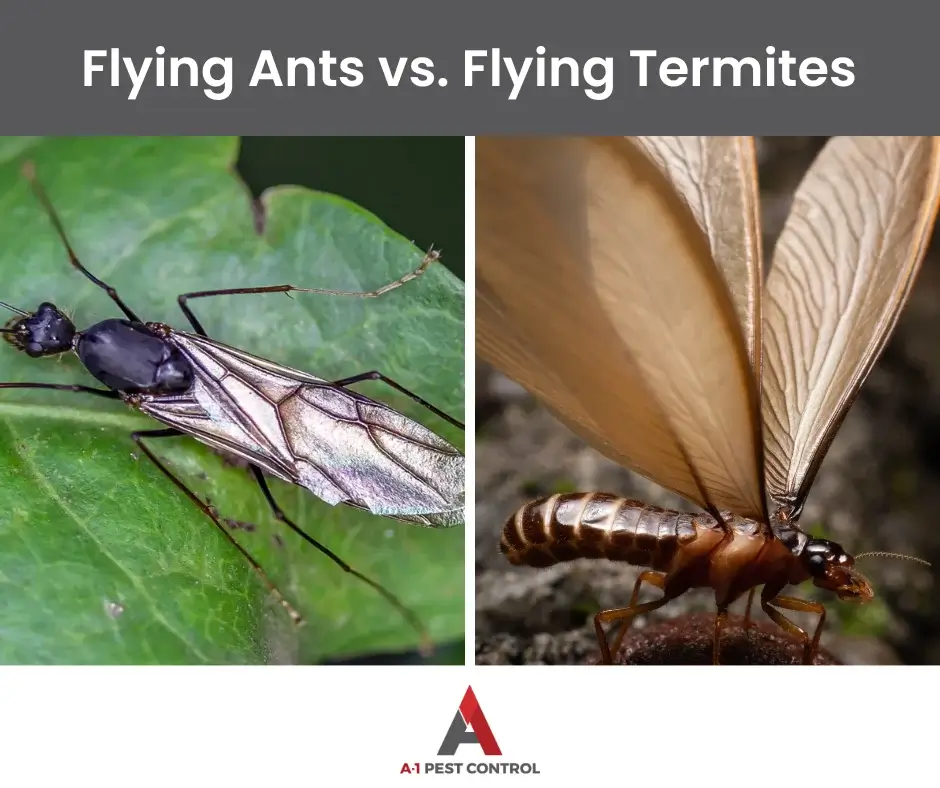
Flying ants are the most frequently mistaken insect during swarm season. While ants fly to form a new colony, their physical traits differ from termites once you know what to examine.
Flying ants have elbowed antennae, a pinched waist, and uneven wing sizes. Flying termites have straight antennae, a thick waist, and four wings that are the same size. Winged ants typically keep their wings longer, while termite wings are often found discarded in small piles near windowsills or doors.
If you notice wings but no insects, inspect them closely. Discarded wings are often a sign of termite swarmers.
Citronella Ants vs. Termites
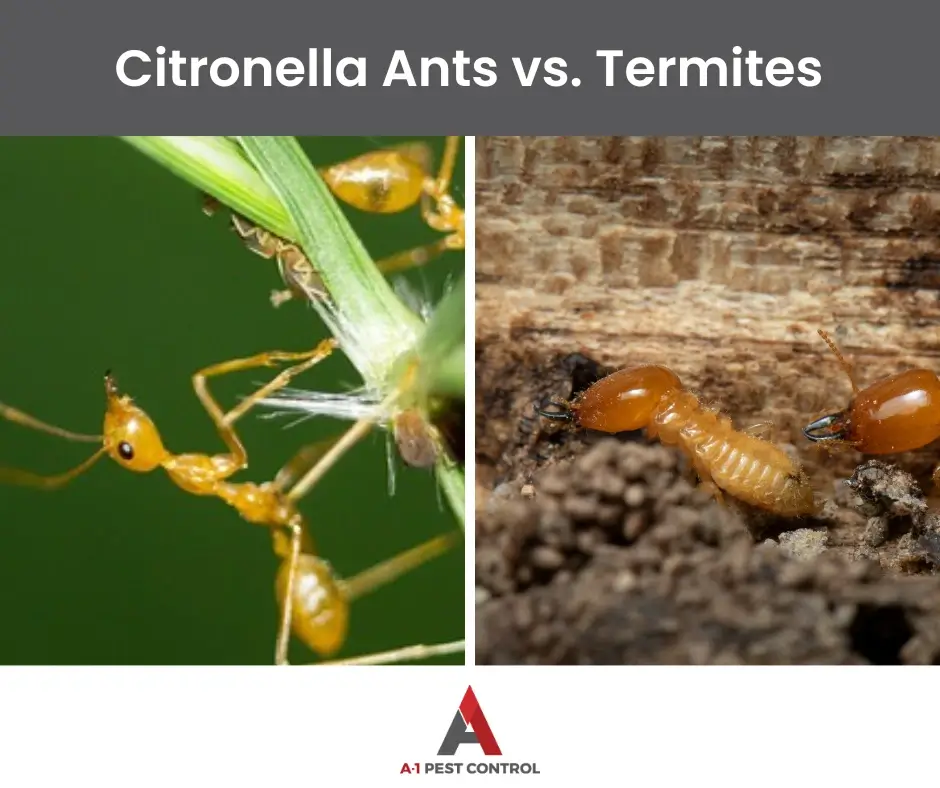
Citronella ants are reddish-brown ants that may resemble termites in size and color. Their narrow waist and slightly bent antennae distinguish them from termites upon closer inspection.
A unique identifying feature is odor. When crushed, citronella ants emit a lemon-like smell. Termites do not produce this scent. Citronella ants usually nest in soil near the house and do not damage wood in the same way termites do.
Acrobat Ants vs. Termites
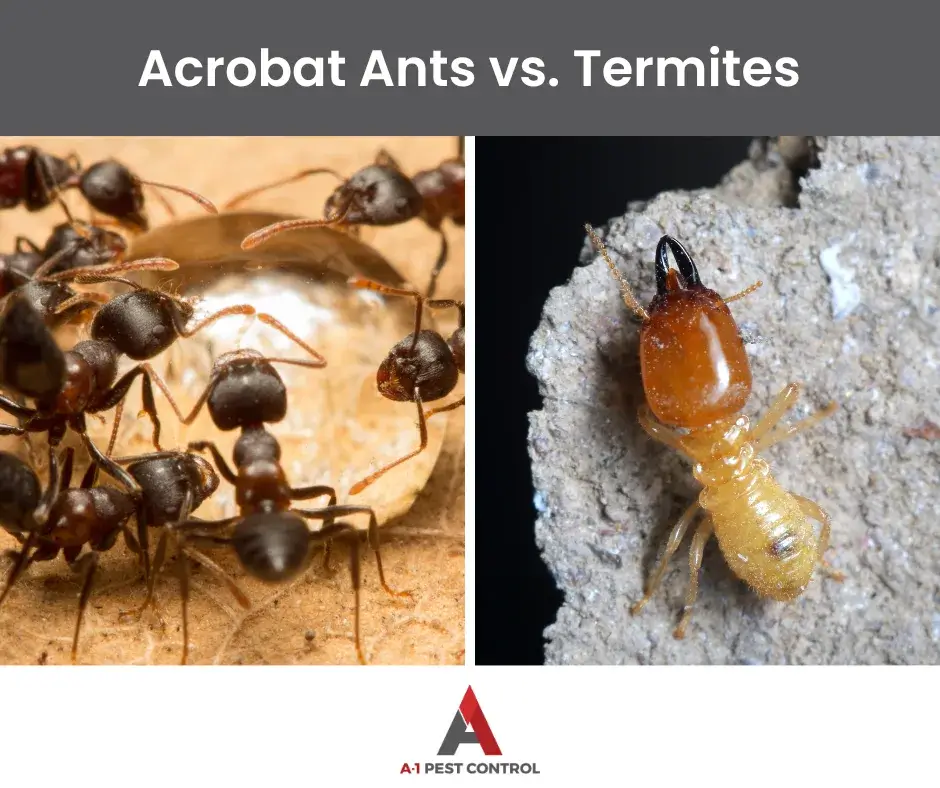
Acrobat ants often nest in moist wood, insulation, or wall voids, which can place them in similar areas as termites. In some cases, they occupy old termite nests or carpenter ant tunnels, increasing confusion.
Acrobat ants have bent antennae, uneven wing sizes, and a heart-shaped abdomen. When disturbed, they raise their abdomen over their head. Termites do not show this behavior and have straight abdomens and equal-length wings.
Unlike termites, acrobat ants do not eat wood or create extensive internal tunnels.
Powderpost Beetles and Other Wood-Damaging Insects
Powderpost beetles are another pest commonly confused with termites due to wood damage. These beetles leave small, round exit holes in wood surfaces and fine, powder-like debris beneath the affected area.
Unlike termites, powderpost beetles do not build mud tubes, swarm indoors, or live in large colonies. Other insects may damage wood or appear nearby, but termites are unique in their ability to continuously eat wood and weaken wooden structures over time.
Subterranean Termites vs. Drywood Termites
Different termite species behave differently, which can affect identification.
Subterranean termites live in soil and rely on moisture. They build mud tubes made from soil, wood particles, and saliva to travel between the ground and wooden structures. These pencil-width tunnels are a sure sign of subterranean termite activity.
Drywood termites do not require soil contact and can nest directly inside dry wood. They may be found in walls, furniture, or attic beams without visible mud tubes. Their presence is often discovered through small piles of debris or damage to dry wood.
Both species can cause serious wood damage if left untreated.
Signs That Point to a Termite Infestation
Insects alone are not always the best indicator. Surrounding evidence often provides clearer warning signs.
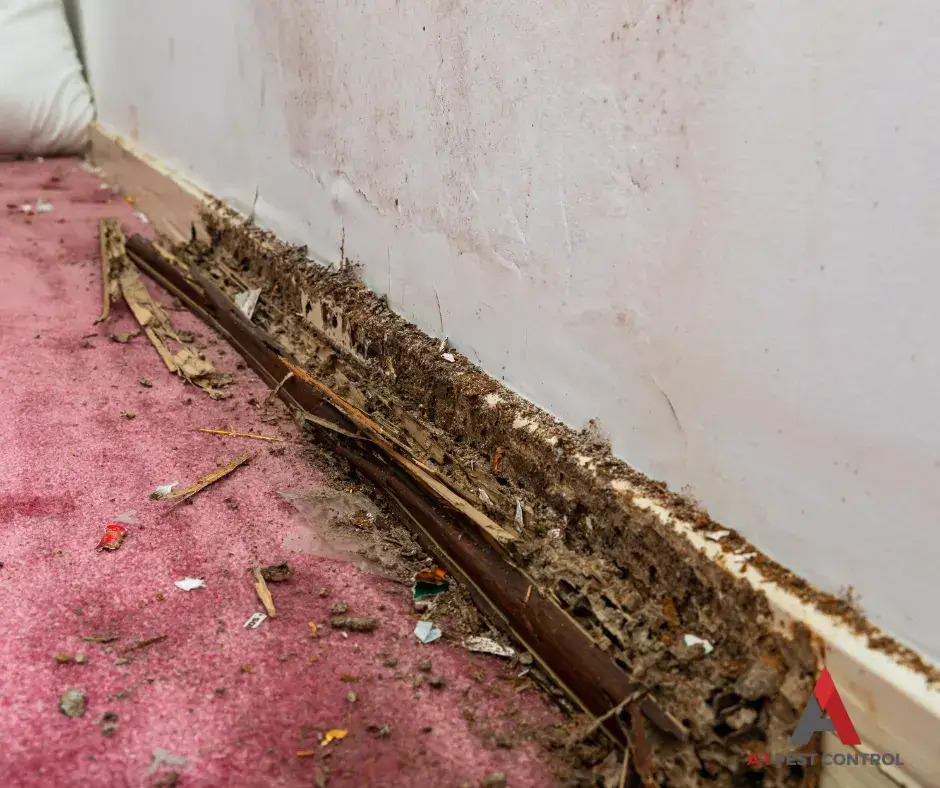
Common signs include:
- Mud tubes along foundation walls or crawl spaces
- Discarded wings near doors, windows, or light sources
- Hollow-sounding wood when tapped
- Small piles of debris near wooden structures
- Swarming bugs indoors, especially in spring
Seeing flying termites often indicates a mature colony nearby.
Why Proper Identification Matters
Misidentifying termites as ants or beetles can delay proper pest control and allow damage to worsen. Termite infestations frequently go unnoticed for years because most termites remain hidden inside walls, floors, or support beams.
Each pest requires a different treatment approach. Treating the wrong insect can waste time and increase repair costs.
Frequently Asked Questions About Bugs That Look Like Termites
What is the most common bug mistaken for termites?
Flying ants are the most common bugs mistaken for termites. They often appear during mating season and swarm near lights, windows, or doors. While they look similar at first glance, flying ants have elbowed antennae, a narrow waist, and uneven wing sizes, while termites have straight antennae, a broad waist, and four wings of equal length.
Are discarded wings a sign of termites?
Yes. Finding discarded wings near windowsills, doors, or light sources is a strong sign of termite swarmers. Termites shed their wings shortly after swarming, whereas ants typically keep their wings longer.A unique identifying feature is odor. When crushed, citronella ants emit a lemon-like smell. Termites do not produce this scent. Citronella ants usually nest in soil near the house and do not damage wood in the same way termites do.
Do all termites build mud tubes?
No. Subterranean termites build mud tubes to travel between soil and wooden structures. Drywood termites do not require soil contact and can nest directly inside dry wood without creating visible mud tubes.If you notice wings but no insects, inspect them closely. Discarded wings are often a sign of termite swarmers.
Can termites be confused with beetles?
Yes. Powderpost beetles are often confused with termites because they damage wood. However, beetles leave small, round exit holes and fine powder-like debris, while termites damage wood from the inside and do not leave clean holes.
If I see flying termites, does that mean I have an infestation?
Seeing flying termites usually indicates a mature colony nearby. While they may not always be nesting directly inside the house, professional inspection is recommended to determine whether active wood damage is present.
Do You Have Termites or Another Pest?
If you are unsure whether you’re seeing termites or other bugs that look like termites, a professional inspection is the safest next step. Proper identification helps determine whether there is an active termite colony, where it may be located, and whether wood damage is occurring inside your home.
A-1 Pest Control provides termite inspections and termite control services designed to address the specific conditions found at your property. Early identification can help limit structural damage, avoid unnecessary treatments, and give you clear direction on how to protect your home moving forward.
Schedule Your Free Inspection
Complete the form to schedule your no obligation estimate with A-1 Pest Control.
"*" indicates required fields