

The 7 Most Common North Carolina House Spiders
Spiders are some of the most misunderstood creatures in North Carolina. While their presence might make your skin crawl, these arachnids actually play an important role in keeping insect populations under control. Still, no homeowner wants to share their living space with webs, egg sacs, and unwanted eight-legged visitors.
This guide covers the most common North Carolina house spiders, how to identify them, which ones are venomous spiders, and when to seek professional pest control services for spider infestations.
Table of Contents
What Are North Carolina House Spiders?
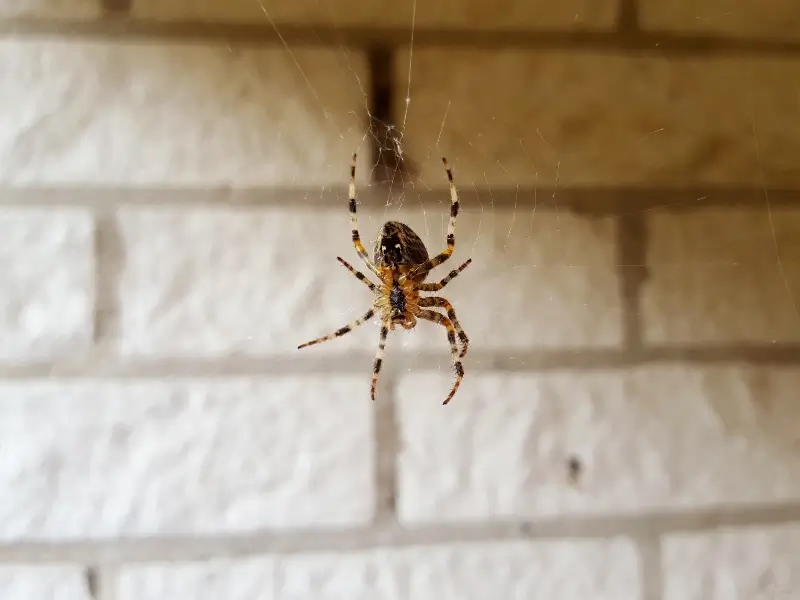
A house spider is a spider species that prefers living indoors or close to human dwellings. Most spiders are generally harmless, but some can cause painful or even venomous bites that may require medical attention.
House spiders often spin webs in quiet, dark corners like attics, crawl spaces, or storage areas. Female spiders typically remain near their eggs, guarding them in silky sacs until they hatch. These arachnids help control insect populations by preying on small insects like flies, gnats, and mosquitoes.
How to Identify Common Spiders in North Carolina
Knowing what type of spider you’re dealing with helps determine whether it’s dangerous or just a nuisance. Below are several spider species commonly found across the state.
Cellar Spiders (Daddy Long Legs)
Cellar spiders, often mistaken for daddy long legs, are thin-bodied, light tan or yellow arachnids with long, delicate legs. They’re generally harmless and tend to build messy webs in basements, closets, and attics. Though they may look intimidating, they’re helpful in reducing other insects around your home.
Giant House Spiders
The
giant house spider is a dark brown or gray spider that can grow up to four inches in total length, including its legs. Males often wander indoors in late summer or fall searching for mates. While their size may startle you, these spiders actively hunt insects and are not known to bite humans unless provoked.
Orb Weaver Spiders
Orb weaver spiders are easily recognized by their
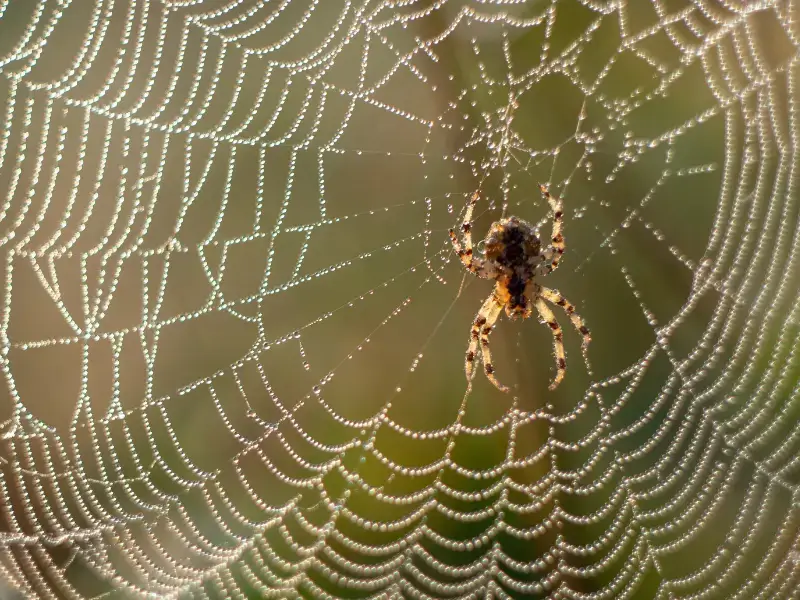
large, circular webs, often seen glistening in morning dew. This spider species ranges in color from orange to brown, with some sporting striking patterns or spiny legs. They usually stay outdoors in wooded areas or gardens, but occasionally wander indoors. Orb weavers rarely bite humans, and their bites cause only mild irritation.
Yellow Sac Spiders
The
yellow sac spider is a pale yellow or greenish spider that builds small silk sacs instead of classic webs. These spiders may bite humans if they feel threatened, and a yellow sac spider bite can cause redness, swelling, and mild burning at the bite site—similar to a bee sting. In rare cases, people experience allergic reactions, so keep an eye out for other symptoms like difficulty breathing or severe swelling.
Wolf Spiders
The wolf spider is one of the most commonly found spiders in North Carolina homes. With their dark brown, hairy bodies and long legs, wolf spiders are active hunters that don’t spin webs to catch prey. Instead, they hunt and chase their victims. Although they can bite humans if cornered, their bites are usually not dangerous, though they can cause temporary pain and swelling.
Brown Recluse Spiders
The brown recluse is one of the most dangerous spiders in North Carolina. It has a violin-shaped marking on its back and a uniform brown color. A brown recluse bite often causes pain, redness, and sometimes tissue damage around the bite site. Severe reactions, including fever, muscle cramps, or difficulty breathing, require urgent medical attention. Although
brown recluse spiders prefer dark, undisturbed places like attics, basements, and storage areas, they can occasionally enter living spaces.
Where You’ll Commonly Find Spiders in North Carolina Homes
Spiders thrive in quiet and undisturbed spaces, including:
- Basements, attics, and crawl spaces
- Behind furniture or in corners
- Inside storage areas or boxes
- Near windows, vents, or door frames
- Under outdoor debris, woodpiles, or garden pots
They spin webs to catch small insects, and because most spiders feed on other pests, seeing more webs could mean there’s an underlying insect infestation.
Preventing Spider Infestations in Your Home
Even though most house spiders are harmless, regular maintenance can help prevent unwanted encounters.
Here are some effective prevention tips:
- Keep your home dry and well-ventilated, especially in crawl spaces and basements.
- Seal gaps, cracks, and entry points around doors and windows.
- Clean up clutter in basements and closets to remove hiding spots.
- Reduce outdoor lighting that attracts other insects (spider prey).
- Store seasonal clothing and boxes in sealed containers.
- Eliminate pests that attract spiders by using professional pest control.
North Carolina House Spiders FAQs
What is the most common house spider in North Carolina?
The cellar spider and the common house spider are the most frequent indoor visitors in North Carolina homes. Both are generally harmless and help control insect populations by feeding on smaller bugs.
Are brown recluse and black widow spiders common in North Carolina?
Yes, both brown recluse and black widows are common North Carolina house spiders. While black widows are more widespread, brown recluses tend to be more localized in certain wooded areas and older homes.
What should I do if I find spiders indoors?
If you notice an increase in spider activity, it may indicate a growing spider infestation or an abundance of insects inside your home. Start by cleaning visible webs and vacuuming corners, but if spiders persist, it’s time to call for professional help.
At A-1 Pest Control, our experts are trained to identify spider species, locate nests and egg sacs, and develop a targeted treatment plan to remove and prevent spiders safely and effectively.
How can I tell if it’s a house spider or something more dangerous?
Look for identifying marks and behavior. A brown recluse has a violin-shaped marking on its back, while a black widow has a shiny black body with a red hourglass on the abdomen. Most house spiders are dull brown or gray and build webs in corners rather than hiding in shoes or clothing.
What is the most aggressive house spider in North Carolina?
While wolf spiders can look intimidating and actively hunt prey, they aren’t aggressive toward humans. They usually feel threatened before biting and prefer to retreat if given space.
Do brown recluse spiders live in North Carolina?
Yes, brown recluse spiders are found in parts of North Carolina, especially in dark or undisturbed areas like basements, attics, and closets. Their bites can be painful and may cause serious harm if left untreated, so avoid handling any spider you suspect to be a brown recluse.
When should I call pest control for spiders?
If you’re seeing spider infestations regularly or finding venomous spiders like black widows or brown recluses, it’s time to call a professional. A-1 Pest Control offers safe and effective pest control services to protect your home and family year-round.
Contact A-1 Pest Control for Expert Spider Extermination
If you’re seeing North Carolina house spiders in or around your home, the experts at A-1 Pest Control can help. We service Lenoir, Mooresville, Hickory, Blowing Rock, West Jefferson, and Hendersonville and surrounding areas. Our trained technicians identify the species, locate webs and eggs, and provide effective treatments that protect your family and home year-round.
Contact A-1 Pest Control at 828-481-9140 or fill out the form below to schedule your FREE inspection and learn how our proven home pest control plans can keep spiders and other household pests away for good.