

Prevent Ticks in Your Yard in North Carolina
As the vibrant spring and warm summer months arrive across North Carolina, bringing pleasant weather, they also usher in an unwelcome guest: ticks. These tiny arachnids pose a significant health risk to both humans and pets, making it crucial for homeowners in areas like Lenoir, Hickory, and Mooresville to understand how ticks get into their yard and how to prevent ticks in your yard. At A-1 Pest Control, we’re committed to helping you create a safer outdoor environment.
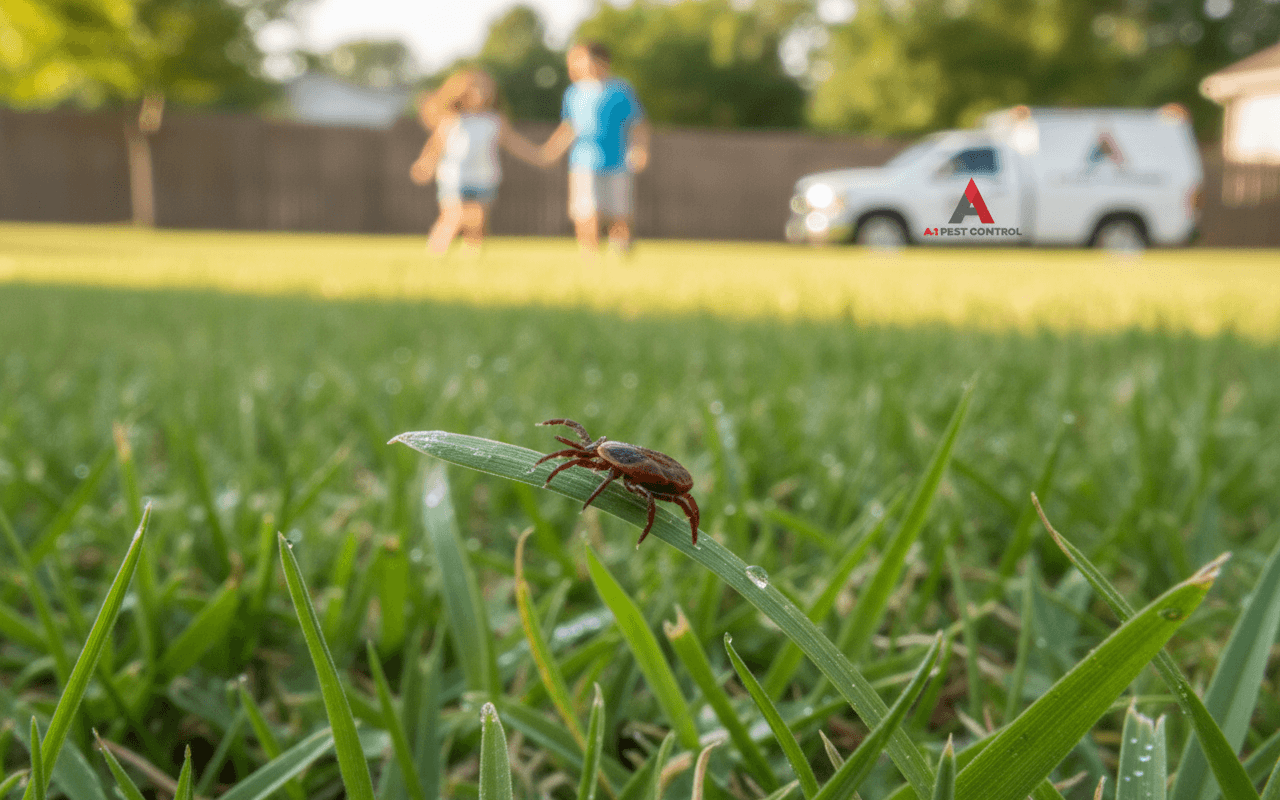
Understanding How Ticks Invade Your North Carolina Yard
Ticks don't fly or jump; instead, they employ a strategy called 'questing.' They perch on blades of grass, low shrubs, and fallen leaves, extending their front legs to latch onto a passing host. In North Carolina, several factors contribute to their presence and proliferation in residential yards:
1. Wildlife Carriers: The Primary Culprits
The most common way ticks, including the prevalent Deer Tick (Blacklegged Tick) and Lone Star Tick, enter your yard is by hitching a ride on wildlife. Many warm-blooded animals that frequent suburban areas serve as perfect transportation for these pests:
- Deer: A primary host for adult deer ticks, deer often wander into yards, especially those bordering wooded areas, leaving ticks behind.
- Rodents: Mice, voles, and squirrels are critical hosts for tick larvae and nymphs, particularly spreading Lyme disease. They can easily travel from fields and forests into your garden or even structures like sheds and garages.
- Birds: Many ground-dwelling birds can carry ticks across significant distances, introducing them to new environments, including your property.
- Raccoons, Opossums, and Foxes: These nocturnal visitors can also bring ticks into your yard as they forage for food or seek shelter.
2. Neighboring Properties and Overgrown Areas
If your property borders undeveloped land, dense vegetation, or even a neighbor's yard with a tick problem, you are at a higher risk. Ticks thrive in moist, shady environments, making tall grasses, leaf litter, and overgrown shrubs ideal habitats. They can easily migrate from these areas into your well-maintained lawn.
3. Pets and Humans as Accidental Transporters
While often victims themselves, our beloved pets can inadvertently bring ticks into the yard after walks in parks or wooded areas. Similarly, humans can pick up ticks during outdoor activities and carry them back home, dropping them off in the yard or even inside the house.
Effective Strategies to Reduce Ticks in Your Yard
Combating ticks requires a multi-faceted approach. Here are key strategies homeowners in North Carolina can implement:
Lawn and Landscape Management
- Mow Regularly: Keep your lawn mowed short to reduce suitable habitats for ticks.
- Clear Leaf Litter: Remove fallen leaves, especially around play areas and pet runs, as these provide excellent tick shelter.
- Prune Vegetation: Trim shrubs and trees to allow more sunlight penetration and reduce humidity, making the environment less appealing to ticks.
- Create a Barrier: Consider placing a 3-foot wide barrier of wood chips or gravel between your lawn and wooded areas. This creates a dry zone that ticks are less likely to cross.
- Choose Tick-Resistant Plants: Opt for plants that don't appeal to deer or other tick-carrying wildlife.
Discouraging Wildlife
- Fence Your Yard: A physical barrier can prevent deer and other larger animals from entering.
- Secure Trash Cans: Prevent raccoons and opossums from foraging by using tight-fitting lids.
- Remove Bird Feeders: While enjoyable, bird feeders can attract rodents and other wildlife that carry ticks.
Protecting Pets and Family
- Tick Checks: Thoroughly check pets and family members for ticks after spending time outdoors.
- Personal Protection: When in heavily wooded areas, wear long sleeves and pants, and use EPA-approved insect repellents.
- Pet Preventatives: Consult your veterinarian about year-round tick prevention for your pets.
When to Call for Professional Tick Control
While DIY methods can help, professional pest control offers the most comprehensive and effective solution for significantly reducing the population of ticks in your yard. At A-1 Pest Control, our experienced technicians understand the unique challenges of tick control in North Carolina's diverse climate and terrain. We offer targeted treatments that establish a protective barrier around your property, disrupting the tick life cycle and creating a safer outdoor space for your family and pets.
Whether you're in Asheville, Hickory, or Mooresville, our team can develop a customized outdoor pest control plan that addresses your specific needs. Don't let ticks keep you from enjoying your yard; contact A-1 Pest Control today for a free inspection and take back your outdoor living space. You can also call us directly at 828-481-9140.
Frequently Asked Questions About Ticks in North Carolina Yards
- Q: What time of year are ticks most active in North Carolina?
- A: Ticks in North Carolina are active year-round, but their activity peaks from spring through fall, especially during warmer months. However, with mild winters, certain tick species can remain active even in colder temperatures.
- Q: Can ticks survive a North Carolina winter?
- A: Yes, many tick species, including the blacklegged tick (deer tick), are well-adapted to survive North Carolina winters. They often become dormant or seek shelter in leaf litter and dense vegetation, reactivating once temperatures rise above freezing.
- Q: What diseases can ticks in North Carolina transmit?
- A: Ticks in North Carolina can transmit several diseases, including Lyme disease, Rocky Mountain spotted fever, ehrlichiosis, anaplasmosis, and alpha-gal syndrome (meat allergy) from the Lone Star tick. Prompt tick removal is crucial to reduce transmission risk.
- Q: How can I check myself and my pets for ticks?
- A: After spending time outdoors, thoroughly check your body, especially hairline, ears, armpits, navel, waist, and behind the knees. For pets, meticulously comb through their fur, paying close attention to ears, paws, and under the collar. Remove any found ticks carefully with tweezers.
- Q: Is a tick bite always serious?
- A: Not every tick bite results in illness, but all bites carry potential risks. It's important to remove ticks promptly and correctly. If you develop a rash, fever, body aches, or other unusual symptoms after a tick bite, seek medical attention immediately and inform your doctor about the bite.
- Q: What’s the difference between a deer tick and a dog tick?
- A: Deer ticks (blacklegged ticks) are smaller, typically transmit Lyme disease, and have black legs. Dog ticks (American dog ticks) are larger, transmit Rocky Mountain spotted fever, and have ornate, mottled markings on their backs.