

What Attracts Bed Bugs? Understanding Why They Invade Homes

Bed bugs are small, reddish brown insects that rely entirely on human blood to survive. While most people focus on how to get rid of a bedbug infestation once it begins, understanding what attracts bed bugs is one of the most important steps in preventing them.
These pests are attracted to and can be found in everyday living spaces (not just beds) and knowing exactly what might bring them in can help stop bedbugs before they spread. Join the pest experts at A-1 Pest Control to learn what attracts bed bugs, signs you have bed bugs, and how to get rid of and prevent them.
Table of Contents
What Attracts Bed Bugs?
Bed bugs thrive in warm, dark environments where people sleep, rest, or store belongings. Many homeowners are surprised to learn that what attracts bed bugs has little to do with dirty places; instead, bed bugs are attracted to cues that help them locate a host or hide safely during the day.
Human Presence and Body Heat
Bed bugs are attracted to body heat and carbon dioxide. When people sleep, they exhale more carbon dioxide and maintain steady warmth. These signals help bugs feed at night by guiding them toward a blood meal.
Human blood is their only food source, which is why adult bed bugs and young bedbugs typically settle near beds and sleeping areas.
Carbon Dioxide Around Sleeping Areas
Carbon dioxide builds up around where people sleep, drawing bed bugs from hiding spots several feet away. This is one reason infestations often begin around a bed frame, mattress seams, box spring, or upholstered furniture close to the bed.
Clutter and Hidden Harborage Sites
Bedbugs live in cracks and crevices, especially when clutter allows them to hide undetected. Cluttered bedrooms, piles of clothing, or stored items create ideal hiding spots, making it harder to notice bedbugs before they reproduce and lay eggs. Reducing clutter makes it easier to detect bed bug infestations early.
Used Furniture and Secondhand Items
Used furniture, especially used mattresses or upholstered furniture, can harbor adult bedbugs, bedbug eggs, and young bedbugs. Infested items may look clean to the naked eye, but bed bugs hide deep in seams and joints. Always inspect secondhand furniture before bringing it into living spaces.
Travel and Hitchhiking
Hotel rooms, public transportation, and other shared spaces can expose travelers to bed bugs. These pests often hide in luggage, backpacks, plastic bags, or clothing. Even brief contact with an infested location can be enough for bed bugs to travel home with you.
Where Bed Bugs Hide Inside a Home
Of course, you might find these little pests in a bed, but that’s not the only place they hide.
Around the Bed
Bed bugs prefer areas close to where people sleep. Common hiding places include:
- Mattress seams
- Bed frames
- Box springs
- Headboards and joints
- Protective cover edges
Beyond the Bedroom
In a growing bed bug infestation, bedbugs live in many hard-to-reach spaces, such as:
- Electrical outlets
- Loose wallpaper
- Cracks in walls or floors
- Baseboards and carpeting edges
- Creases in upholstered furniture
If you notice bedbugs moving beyond the bed, professional treatment is likely needed.
Signs You May Have Bed Bugs
Bed bugs are often mistaken for other pests, so identifying the signs early is important.
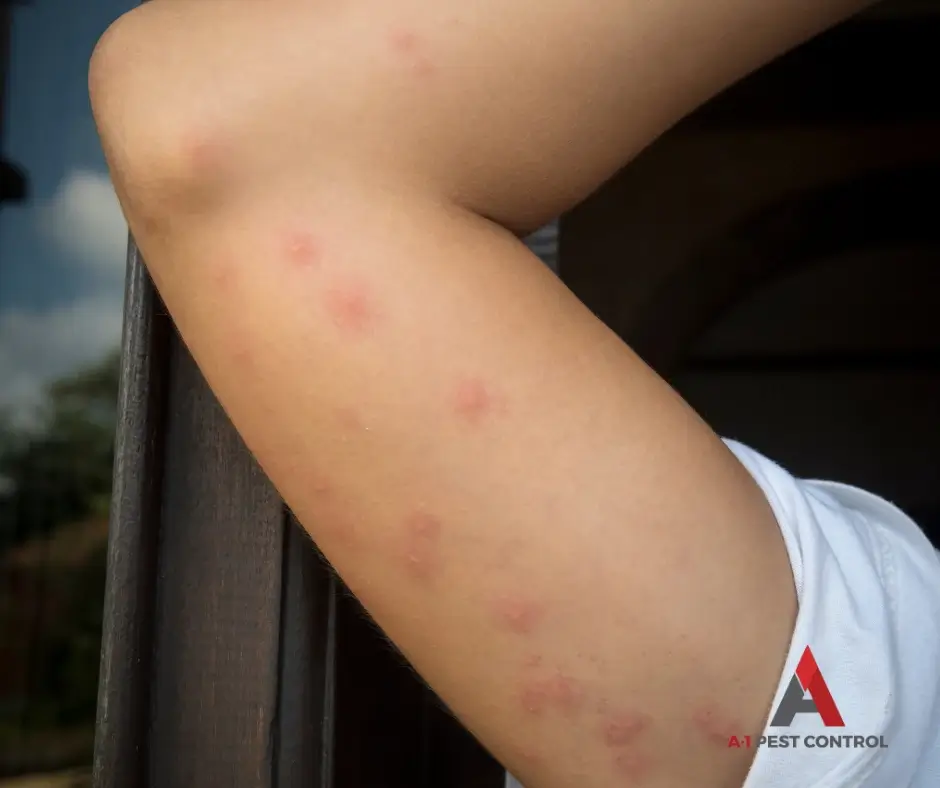
Bedbug Bites
Bites usually appear in clusters or lines. While some people experience an allergic reaction, others may just see tiny red bits on exposed skin.
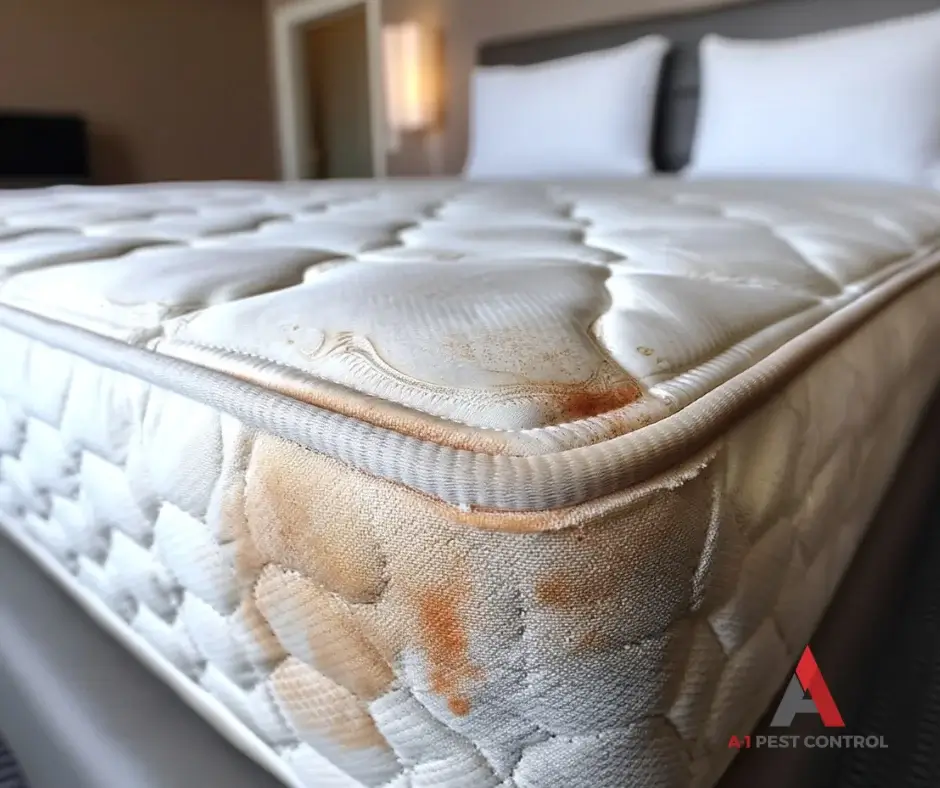
Reddish Brown Stains
Small stains or dark spots on sheets or the box spring may indicate crushed bugs or fecal matter.
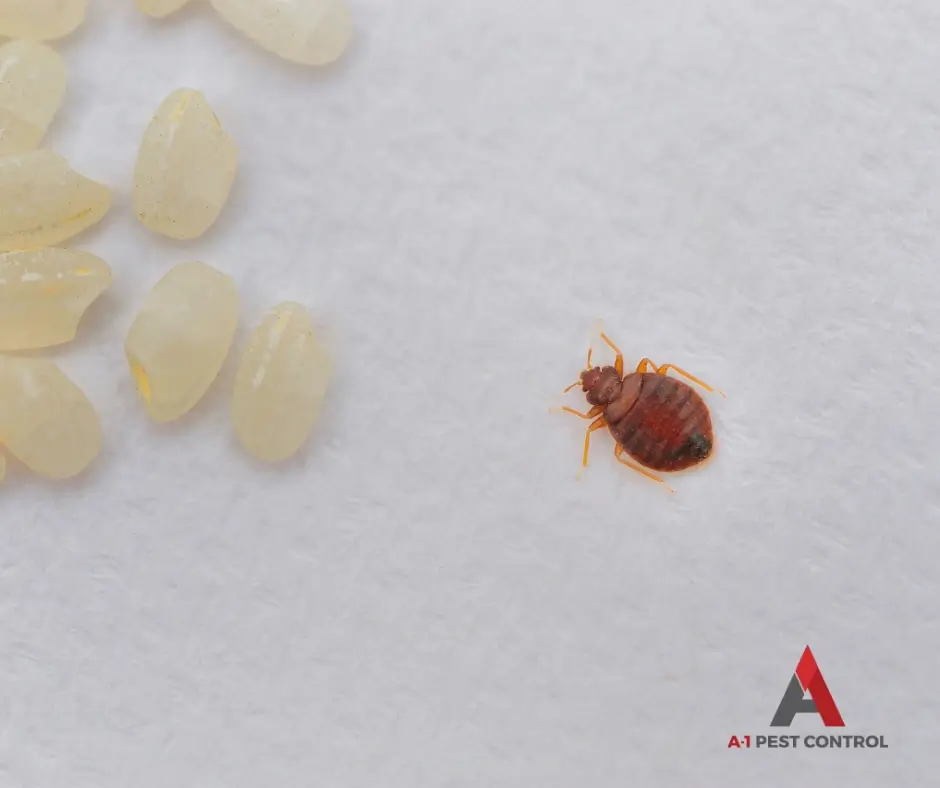
Apple Seed–Sized Bugs
Adult bed bugs look a lot like an apple seed, in both size and shape. They vary from light to reddish brown depending on when they last fed.
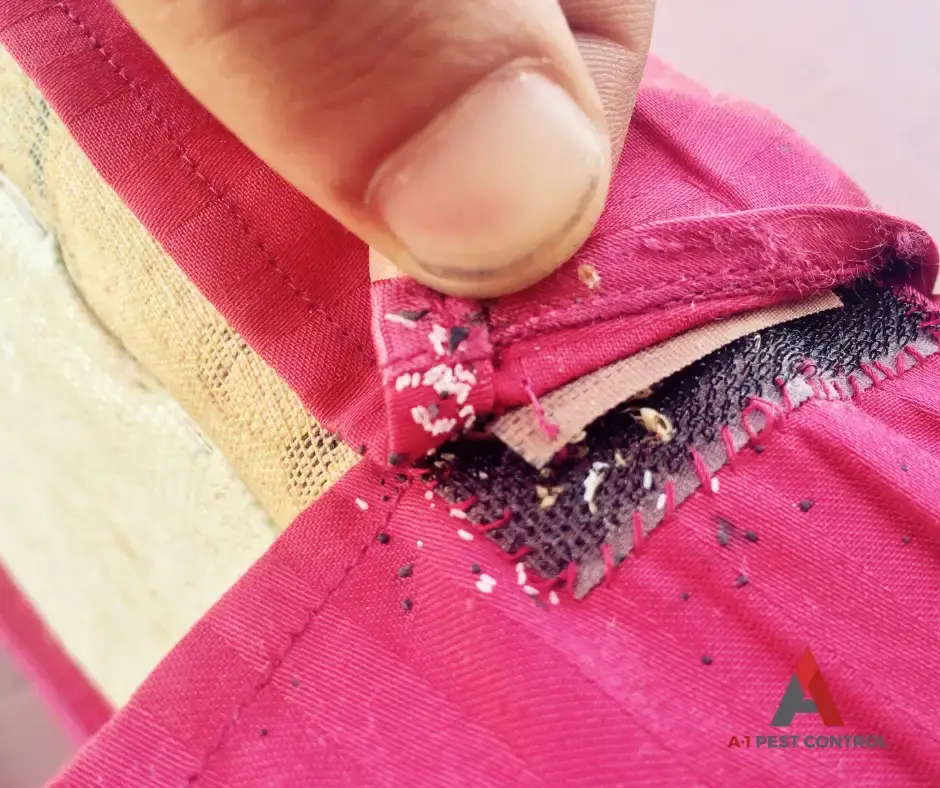
Shed Skins and Eggs
Bedbug eggs and shed skins may appear in mattress seams, on the bed frame, or behind headboards.
How to Get Rid of Bed Bugs
Getting rid of bed bugs requires persistence and a comprehensive approach. Because these pests penetrate deep into cracks and hiding spots, DIY efforts often miss parts of the life cycle, which means the infestation can return.
Identify the Problem
Look for adult bedbugs, bedbug eggs, dark spots, or cast skins in mattress seams, bed frames, upholstered furniture, or hiding spots near where people sleep.
Declutter and Clean
Reducing clutter removes many of the hiding places that attract bed bugs. Vacuum regularly, especially along seams, cracks, and edges. A vacuum cleaner with strong suction and a crevice tool can help reach deeper areas.
Wash Items in Hot Water
Wash bedding, curtains, and washable infested items in hot water, followed by a hot dryer. High heat helps kill bedbugs on fabric surfaces and supports professional treatment efforts.
Use Mattress and Box Spring Encasements
Encasements trap any remaining bugs inside and help prevent bed bugs from hiding in mattress seams again. They can also help you notice bedbugs earlier in the future.
Diatomaceous Earth (With Caution)
Diatomaceous earth may help reduce numbers, but it is not a complete solution and should be used only as recommended by a pest control professional.
Professional Pest Control
Because bed bugs are extremely difficult to eliminate, a trained pest control company is often necessary, especially when all the bugs cannot be located or when a severe infestation is present. A professional can create a plan to effectively kill bed bugs at every stage of the life cycle.
How to Prevent Bed Bugs
There are a few key steps you can take for bed bug prevention.
Final Word: What Attracts Bed Bugs?
So, what attracts bed bugs? These pests are attracted to body heat, carbon dioxide, cluttered environments, and opportunities to hide close to sleeping areas. They do not require dirty places to survive. They just need a warm, stable environment where people sleep. Understanding what attracts bed bugs is one of the most effective ways to prevent a bedbug infestation before it starts.
Whether you need help identifying an issue or eliminating bed bugs completely, A-1 Pest Control is here to help. We provide safe, effective treatments (without heat treatments) to get rid of bed bugs and protect your home year-round.
We proudly serve Western North Carolina from our Lenoir office, including including Blowing Rock, Mooresville, Hickory, West Jefferson, Asheville, and Hendersonville.
Contact A-1 Pest Control for a FREE inspection today!
Schedule Your Free Inspection
Complete the form to schedule your no obligation estimate with A-1 Pest Control.
"*" indicates required fields