


Mosquito control in Hickory, NC becomes a regular issue once the weather warms up. Between the humidity, steady rain, and shaded yards around Catawba County, mosquito populations build quickly.
Most people notice the problem the moment they step outside. You’re on the patio, grilling, or letting the kids play in the yard, and the mosquito bites start within minutes.
At A-1 Pest Control, our mosquito control service focuses on reducing mosquito populations around your property so outdoor spaces are easier to use during mosquito season. If you’re dealing with nuisance mosquitoes around your yard, we can take a look and explain what we’re seeing around the property.
Why Mosquitoes Are So Persistent in Hickory
Mosquitoes thrive in Hickory because the conditions here support constant mosquito breeding.
Warm temperatures, shaded landscaping, and frequent summer rain allow mosquito populations to grow quickly. Mosquitoes only need a small amount of standing water to reproduce, and female mosquitoes lay their eggs anywhere water collects.
During mosquito inspections, we often find mosquito breeding sites around the property such as:
- Clogged gutters holding stagnant water
- Bird baths that are not regularly emptied
- Buckets, toys, or containers holding rainwater
- Tree holes where water collects
- Low spots in lawns after storms
- Abandoned or poorly maintained pools
- Decorative ponds
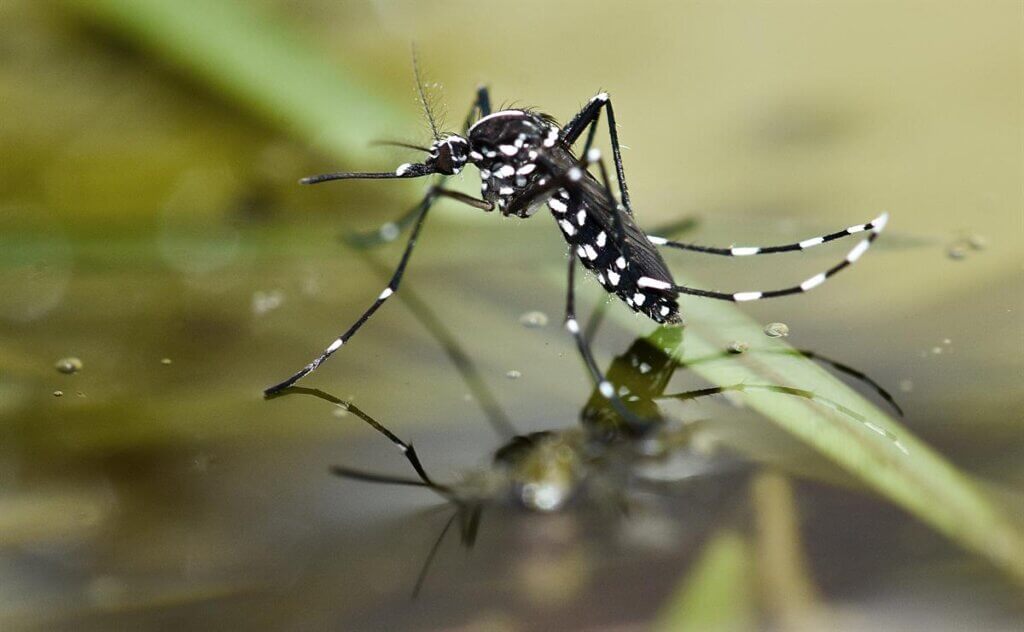
Some mosquito species, including the Asian tiger mosquito, can breed in extremely small water sources. Because of that, even well-maintained properties can still attract mosquitoes if mosquito breeding sites go unnoticed.
Recommended Plan for Mosquito Control

Initial Treatment
Only $
What's Included:
- Year-Round Protection
- Covers 15+ Pests
- Free Re-treatments
- Stinging Insect Control on the Structure
- Seasonal Mosquito Treatments
- 10 Treatments
- Outdoor Tick & Flea Control
- Indoor Flea Treatments
- Fire Ant Control
- Sentricon Termite Protection
- Termite Protection

Our Mosquito Treatment Process
Mosquito control works best when both adult mosquitoes and mosquito breeding sites are addressed. Our technicians inspect the property, identify problem areas, and treat the parts of the yard where mosquito activity is most common.
How Long Mosquito Treatment Lasts
Most mosquito treatments remain effective for about 21–30 days, depending on weather conditions.
Heavy rain, irrigation, and fast plant growth can shorten how long treatments last. Because of that, most mosquito management programs are scheduled on a recurring basis during the season.
A one-time spray can reduce mosquito activity for a short time, but it usually does not stop the mosquito breeding happening around the property.
Recurring treatments allow us to control adult mosquitoes while also managing mosquito larvae before they develop into the next wave of mosquitoes.
Simple Ways to Help Control Mosquitoes Around Your Yard
Professional mosquito treatment works best when it’s combined with basic mosquito prevention around the property.
A few simple steps can reduce mosquito breeding and help control mosquitoes between treatments.
Remove Standing Water
Standing water is the most common mosquito breeding site, and even small containers can support mosquito larvae.
Common places to check include:
- Bird baths
- Buckets or planters
- Tarps holding rainwater
- Children’s toys
- Wading pools
- Clogged gutters
Regularly emptying water from containers helps prevent mosquito breeding around the yard.
Maintain Landscaping
Adult mosquitoes prefer shaded areas where they can rest during the day.
Keeping grass mowed and shrubs trimmed reduces these hiding spots and helps limit nuisance mosquitoes around outdoor spaces.
Use Outdoor Air Movement
Mosquitoes are weak fliers. Outdoor fans on patios or porches can help repel mosquitoes by disrupting their flight patterns.
Be Careful With Backyard Gadgets
Products like bug zappers and ultrasonic devices are often marketed for mosquito control, but they rarely actually kill mosquitoes.
Some mosquito traps use carbon dioxide and heat to attract and kill mosquitoes that enter the device. Other systems, such as mosquito misting systems, release small amounts of insecticide to help kill adult mosquitoes that enter treated areas.
Health Concerns That Come With Mosquito Bites
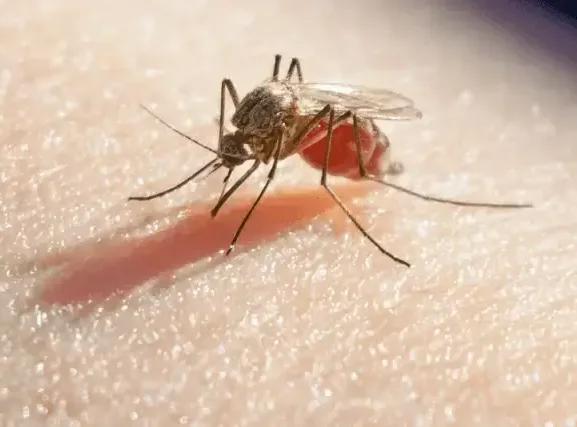
Most people think of mosquito bites as a backyard annoyance, but mosquitoes can also carry certain mosquito borne diseases.
When female mosquitoes take a blood meal, they can carry disease organisms from one host to another. Some of the mosquito borne illnesses found in the United States include:
- West Nile virus
- Dengue fever
- Zika virus
Why Clients in Hickory Prefer A-1 Pest Control
Our clients prefer working with A-1 Pest Control because we understand how mosquito breeding grounds build throughout North Carolina and what it takes to manage them.
We’ve been helping families deal with outdoor pests in this region since 1966, and mosquito control is something we handle every year once the weather warms up.
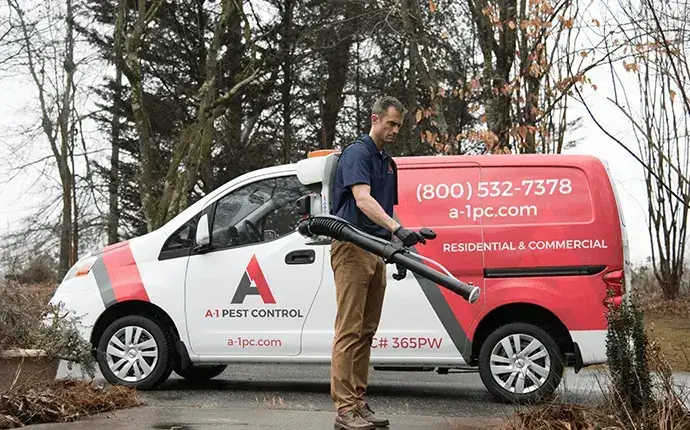
When you call us for mosquito control in Hickory, you can expect:
- A technician who walks the property and explains what they’re seeing
- Treatments focused on areas where mosquitoes actually rest and breed
- Clear expectations about their season and treatment schedules
- Straightforward communication about what to expect after service
Our approach is simple: reduce mosquito activity around the yard so you can spend more time outside without constant mosquito bites.
Frequently Asked Questions
How much does mosquito control cost?
Mosquito control costs vary depending on property size, treatment frequency, and the type of mosquito control program used. Most mosquito control programs involve recurring treatments during mosquito season to help control mosquitoes as new adult mosquitoes emerge.
We can provide pricing after taking a look at your property.
Is mosquito spraying safe for pets and kids?
Yes. When applied correctly, professional mosquito treatments are designed to control mosquitoes while minimizing exposure to people, pets, and domestic animals.
We usually recommend allowing treated areas to dry before people or pets return to the yard.
Do I need monthly mosquito service?
In most cases, yes.
Mosquito breeding continues throughout the season as female mosquitoes lay their eggs in standing water. New larvae develop quickly during the mosquito life cycle, which is why recurring treatments help keep their populations under control.
Can I get rid of mosquitoes myself?
Basic prevention can help reduce mosquito breeding, but eliminating mosquitoes completely is difficult. Some people use mosquito dunks in standing water, which can help kill larvae before mosquitoes lay eggs again.
In natural environments, biological control can also play a role. Natural predators and beneficial insects help control mosquito larvae, and fish such as mosquito fish are sometimes used in ponds to reduce mosquito breeding.
When does mosquito season start in North Carolina?
Mosquito season in North Carolina usually begins in early spring and continues into late fall, depending on temperature and rainfall.
Several mosquito species live in this region, including the Asian tiger mosquito. These biting insects can spread mosquito borne diseases such as West Nile virus and dengue fever.
Schedule Mosquito Control in Hickory
If mosquito bites are keeping you from using your yard, we can take a look and explain what we’re seeing around the property.
Our technicians provide mosquito control throughout Hickory and the surrounding communities.
Schedule an inspection or ask about seasonal mosquito control programs to help reduce populations around your home.
"*" indicates required fields