

The Truth About Centipede Bites: What to Do in North Carolina
Discovering a centipede scurrying across your floor can be unsettling, but finding one on your skin, or worse, experiencing a centipede bite in NC, can be downright alarming. While most centipedes encountered in North Carolina are not considered life-threatening, their bites can be painful and cause a range of uncomfortable symptoms.
At A-1 Pest Control, we understand the concerns North Carolinians have about these multi-legged invaders. This comprehensive guide will delve into everything you need to know about centipede bites in our state, from identifying the culprits to understanding symptoms, treatment, and most importantly, how to prevent future encounters with the help of professional pest control.
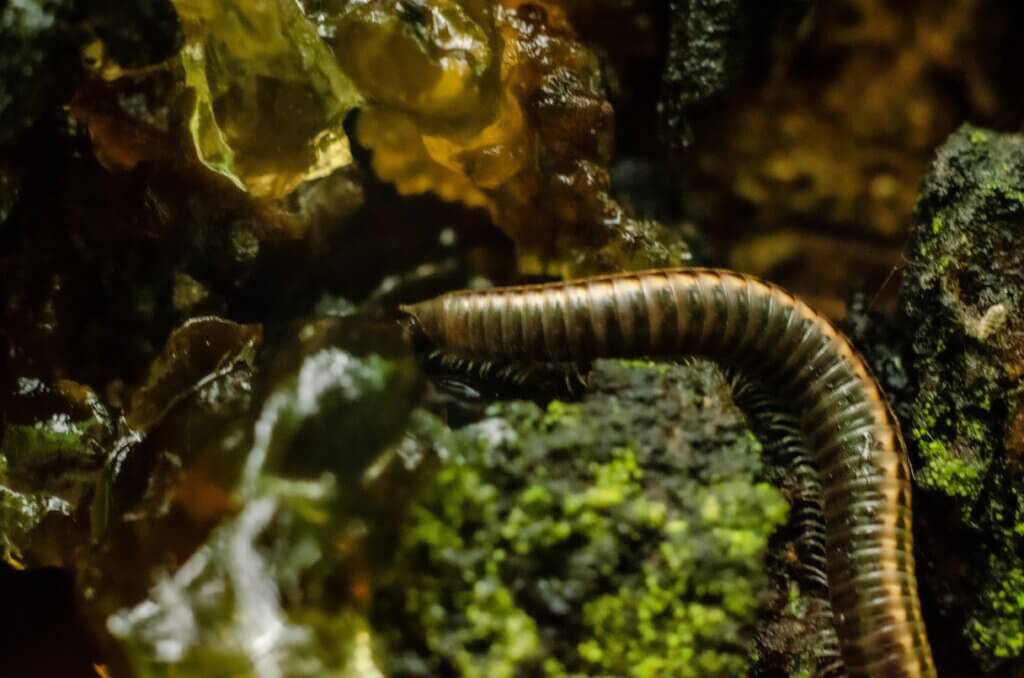
North Carolina's diverse climate, from the humid coast to the mountainous west, provides an ideal habitat for various arthropods, including several species of centipedes. While often mistaken for millipedes, centipedes are predatory creatures, equipped with venomous fangs (forcipules) that they use to paralyze their prey. Understanding their behavior and the potential impact of their bites is crucial for peace of mind and prompt action should an incident occur.
Identifying Centipedes in North Carolina: Are They Dangerous?
Before we discuss the specifics of a centipede bite in NC, it's helpful to know which types of centipedes you might encounter in our state. While all centipedes possess venom, the severity of a bite largely depends on the species and the individual's reaction. It's important to distinguish between common house centipedes and larger, more imposing species.
Common North Carolina Centipede Species
- House Centipede (Scutigera coleoptrata): This is perhaps the most commonly encountered centipede indoors. They are easily recognizable by their long, slender bodies and numerous, very long legs (up to 15 pairs). House centipedes are typically yellowish-gray with three dark stripes running down their back. While they can deliver a bite, their fangs are generally too small to penetrate human skin effectively, and if they do, the bite is usually no more painful than a bee sting. They are actually beneficial predators, feeding on other household pests like spiders, cockroaches, and silverfish.
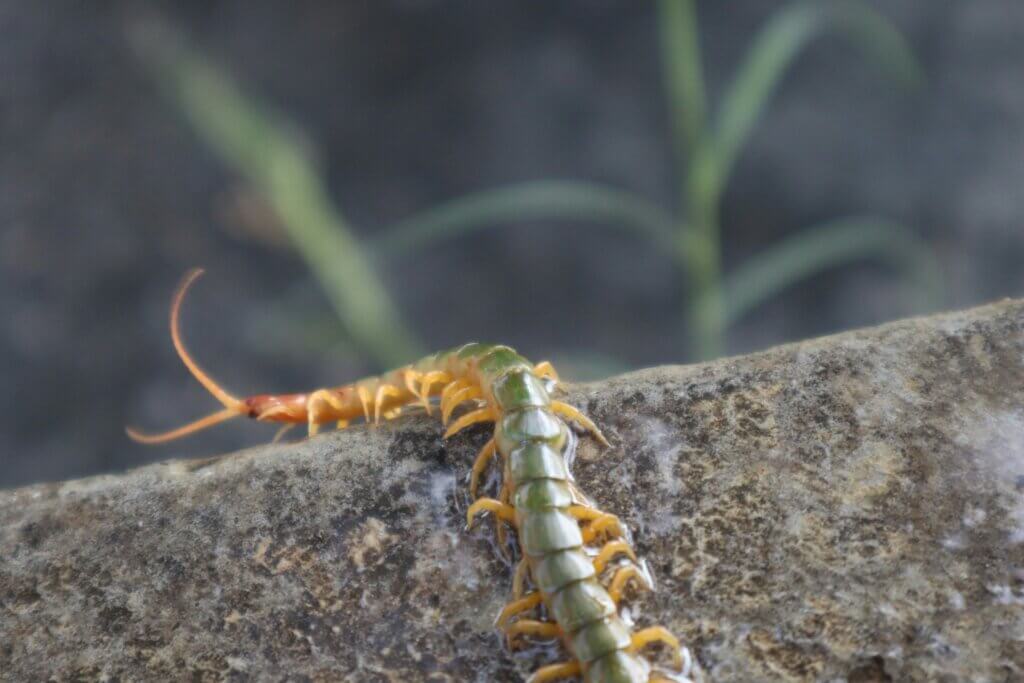
- Giant Desert Centipede (Scolopendra polymorpha): While more common in the southwestern US, sightings of larger centipedes in areas bordering the Appalachian Mountains or imported through goods can occur. These centipedes are much larger, often reaching several inches in length, with robust bodies and powerful pincers. Their bites are significantly more painful and can cause more severe reactions. However, they are not native to most of North Carolina and are far less common than house centipedes.
- Stone Centipedes (Lithobiidae family) and Soil Centipedes (Geophilomorpha family): These smaller, typically brown or reddish-brown centipedes are often found outdoors under rocks, logs, and in soil. They are less likely to enter homes, and their bites, while possible, are usually mild due to their smaller size.
So, are there truly dangerous centipedes in NC? For the vast majority of North Carolinians, the answer is "not usually." The house centipede, while startling, poses minimal threat. However, any centipede bite can be painful, and understanding the potential symptoms is key.
Centipede Bite Symptoms & What to Do Immediately
A centipede bite in NC, regardless of the species, typically results in a sharp, stinging pain, often described as similar to a bee or wasp sting. The area around the bite may quickly become red, swollen, and tender. Some individuals might experience itching or a burning sensation. The good news is that most centipede bites in North Carolina are localized and resolve within a few hours to a few days.
Common Symptoms of a Centipede Bite:
- Sharp, immediate pain at the bite site.
- Redness and swelling.
- Localized tenderness.
- Itching or burning sensation.
- Two distinct puncture marks (though often only one is visible due to their small size).
When to Seek Medical Attention:
While most centipede bites are not serious, it's important to be aware of symptoms that may indicate a more severe reaction or complications:
- Allergic Reaction: Similar to bee or wasp stings, some individuals can have an allergic reaction to centipede venom. Symptoms include difficulty breathing, hives, widespread swelling, dizziness, or a rapid pulse. Seek emergency medical attention immediately if these symptoms appear.
- Severe Pain or Swelling: If the pain is excruciating or the swelling spreads significantly beyond the bite area.
- Signs of Infection: Increased redness, warmth, pus, or fever could indicate a secondary bacterial infection, especially if the bite area was not kept clean.
- Systemic Symptoms: Nausea, vomiting, headache, or muscle cramps are rare but warrant medical evaluation.
- Bite on a Sensitive Area: Bites near the eyes, mouth, or throat should always be evaluated by a healthcare professional.
- Young Children or Immunocompromised Individuals: These groups may be more susceptible to severe reactions and should be monitored closely after a centipede bite.
First Aid for a Centipede Bite in NC:
If you or someone you know experiences a centipede sting in North Carolina, follow these immediate steps:
- Clean the Area: Wash the bite site thoroughly with soap and water to prevent infection.
- Apply a Cold Compress: Use a cold pack or ice wrapped in a cloth to the bite area for 10-15 minutes at a time. This helps reduce swelling and numb the pain.
- Elevate the Affected Limb: If the bite is on an arm or leg, elevating it can help reduce swelling.
- Pain Relief: Over-the-counter pain relievers like ibuprofen or acetaminophen can help manage pain.
- Anti-itch Cream: Hydrocortisone cream or antihistamines (oral or topical) can help alleviate itching and swelling.
- Monitor for Worsening Symptoms: Keep a close eye on the bite area and the individual's overall health for any signs of an allergic reaction or infection.
Preventing Centipede Encounters: Your Best Defense
The best way to deal with a centipede bite in NC is to prevent it from happening in the first place. Centipedes are attracted to damp, dark environments and often enter homes seeking shelter, food, or moisture. By taking proactive steps, you can significantly reduce the likelihood of encountering these creatures indoors.
Tips for Centipede Prevention:
- Reduce Moisture: Repair leaky pipes, faucets, and roofs. Use dehumidifiers in basements, crawl spaces, and other damp areas. Ensure proper ventilation in bathrooms and attics.
- Seal Entry Points: Inspect your home's foundation, windows, and doors for cracks and gaps. Seal them with caulk or weatherstripping. Pay attention to utility entry points where pipes and wires enter the house.
- Remove Clutter: Centipedes love to hide in clutter. Keep basements, garages, and storage areas tidy. Remove piles of leaves, wood, and debris from around your home's foundation.
- Manage Outdoor Landscaping: Trim back shrubs, bushes, and tree branches that touch your home. Keep gutters clean and free of debris. Ensure proper drainage around your foundation.
- Eliminate Other Pests: Centipedes feed on other insects. By controlling populations of spiders, cockroaches, silverfish, and other common household pests, you reduce the food source for centipedes, making your home less attractive to them.
- Regular Cleaning: Vacuum regularly to remove potential food sources and centipede eggs.
- Check Items Before Bringing Indoors: Inspect firewood, potted plants, and outdoor furniture before bringing them inside.
Professional Pest Control for Centipedes in North Carolina
While DIY methods can help, for persistent centipede problems or if you're concerned about dangerous centipedes in NC, professional pest control is the most effective solution. At A-1 Pest Control, we specialize in identifying and eradicating centipede infestations throughout North Carolina.
How A-1 Pest Control Can Help:
- Thorough Inspection: Our certified technicians will conduct a detailed inspection of your property, both indoors and outdoors, to identify centipede harborage areas, entry points, and contributing factors.
- Targeted Treatment Plans: Based on our findings, we develop a customized treatment plan using safe and effective methods to eliminate existing centipede populations. This may include perimeter treatments, crack and crevice applications, and dusting in hard-to-reach areas.
- Moisture Management Recommendations: We provide expert advice on how to reduce moisture in and around your home, addressing one of the primary attractants for centipedes.
- Exclusion Services: We can offer recommendations or assistance with sealing entry points to prevent future infestations.
- Ongoing Prevention: Our recurring pest control services ensure long-term protection, keeping your home centipede-free and addressing other common North Carolina pests.
- Peace of Mind: With A-1 Pest Control, you gain the confidence that your home is protected by experienced professionals committed to your safety and comfort.
Don't let the thought of a centipede bite in NC keep you from enjoying your home. If you're dealing with centipedes or any other pest issue, contact the experts at A-1 Pest Control today. Visit our website at https://www.a-1pc.com to learn more about our services and schedule a free inspection. We're here to provide effective, reliable pest management solutions for North Carolina residents.
Frequently Asked Questions About a Centipede Bite in NC
What does a centipede bite feel like in North Carolina?
A centipede bite in North Carolina typically feels like a sharp, stinging pain, often compared to a bee or wasp sting. The immediate area will usually become red, swollen, and tender. The intensity of the pain can vary depending on the centipede species and individual sensitivity.
Are house centipedes in NC dangerous?
For most people, house centipedes in North Carolina are not considered dangerous. While they can bite, their fangs are usually too small to effectively penetrate human skin, and if they do, the bite is typically mild, causing localized pain and swelling similar to a minor bee sting. They are more of a nuisance than a threat.
How do I treat a centipede sting in North Carolina?
To treat a centipede sting in North Carolina, first, wash the bite area thoroughly with soap and water. Apply a cold compress or ice pack to reduce swelling and pain. Over-the-counter pain relievers and anti-itch creams can help manage symptoms. Monitor the bite for any signs of infection or allergic reaction and seek medical attention if symptoms worsen or if you experience difficulty breathing or widespread swelling.
When should I call pest control for centipedes in my North Carolina home?
You should call A-1 Pest Control for centipedes in your North Carolina home if you are experiencing frequent sightings, notice a significant increase in their numbers, or if you are concerned about encountering them, especially if you have young children or pets. Our professional technicians can identify the source of the infestation, implement targeted treatments, and provide long-term prevention strategies to keep your home centipede-free.