

Understanding and Controlling Fleas and Ticks in North Carolina
North Carolina’s warm temperatures, humid summers, wooded landscapes, and abundant wildlife make the state an inviting environment for many outdoor pests. Among the most troublesome are fleas and ticks. These small parasites can affect people, pets, and properties, causing uncomfortable bites and potentially exposing families to health concerns.
For homeowners in Asheville and throughout Western North Carolina, controlling fleas and ticks requires more than responding after bites begin. Effective control involves understanding where these pests live, recognizing the signs of activity, and taking preventive steps inside and outside the home.
Whether you have noticed your pet scratching or simply want to make your yard safer, professional pest management can help reduce the conditions that allow fleas and ticks to thrive.
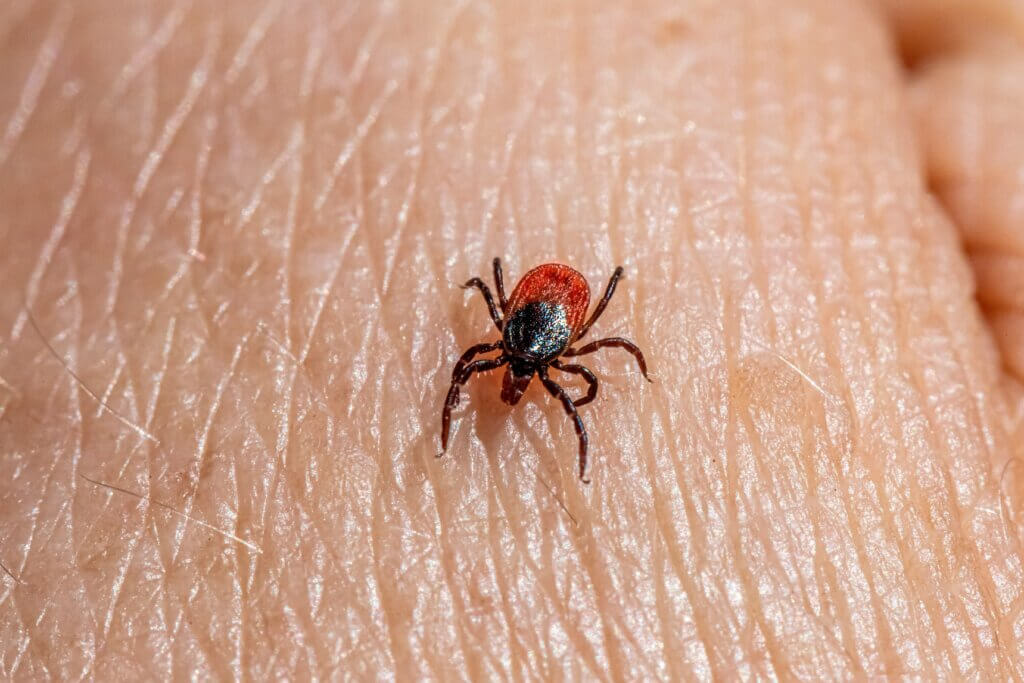
Why Are Fleas and Ticks Common in North Carolina?
Fleas and ticks benefit from the relatively mild winters, warm summers, and humid conditions found across North Carolina. Although pest activity often increases during spring and summer, these parasites do not necessarily disappear once temperatures begin to fall.
Fleas can survive indoors throughout the year when they have access to a host. According to the Centers for Disease Control and Prevention, fleas prefer warm, humid conditions but may remain active year-round when an animal is available to feed on.
Ticks are frequently found in wooded areas, tall grass, leaf litter, brush, and places where wildlife travels. Asheville’s beautiful forests and outdoor recreation opportunities make tick awareness especially important for residents, hikers, pet owners, and families who spend time outside.
The animals that move through North Carolina neighborhoods can also carry fleas and ticks onto residential properties. Common hosts include:
- Deer
- Raccoons
- Squirrels
- Opossums
- Stray cats
- Rodents
- Dogs and other household pets
Even a well-maintained property can experience pest activity when wildlife or untreated animals regularly pass through the area.
What Is the Difference Between Fleas and Ticks?
Although fleas and ticks both feed on blood, they are different types of pests with distinct behaviors and life cycles.
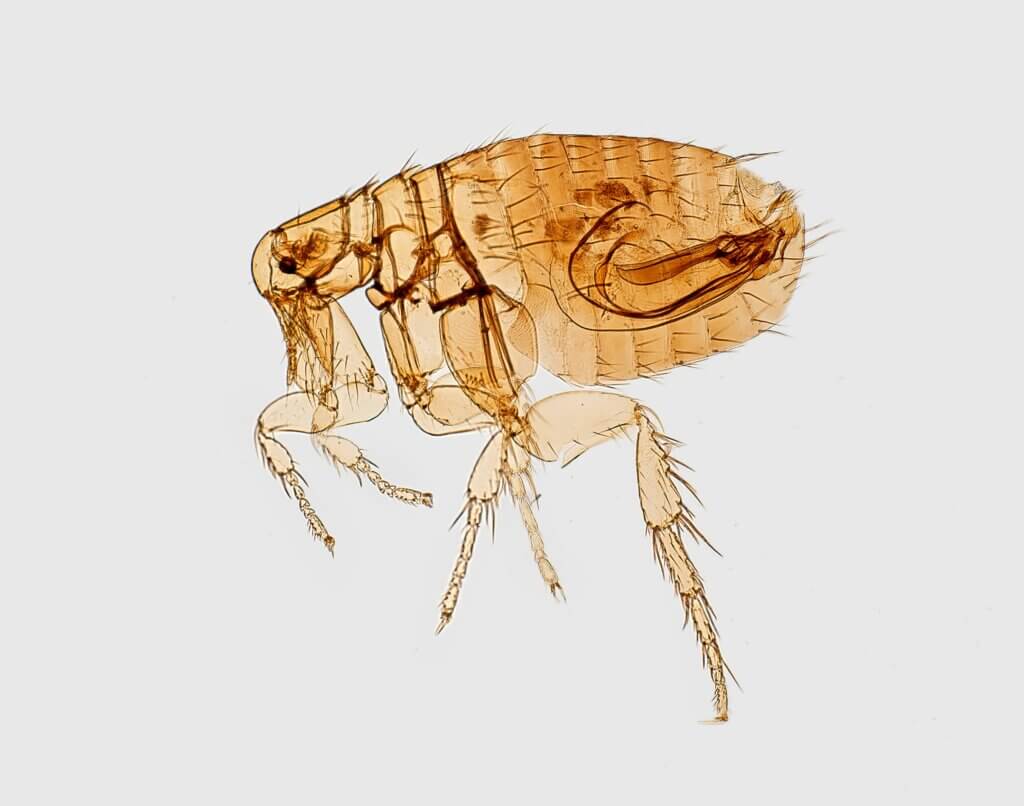
Fleas are small, wingless insects that use powerful hind legs to jump between animals, people, furniture, and flooring. Adult fleas generally spend much of their time feeding on a host. Their eggs, larvae, and pupae may develop in carpeting, pet bedding, furniture, floor cracks, shaded outdoor areas, and other protected locations.
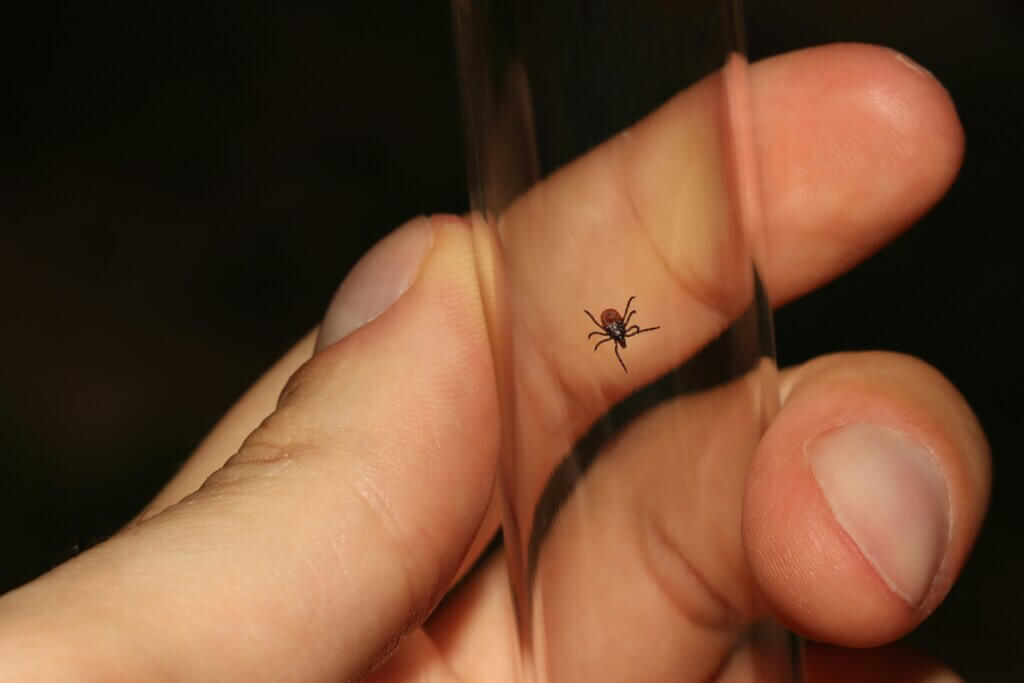
Ticks are arachnids, making them more closely related to spiders than insects. They cannot jump or fly. Instead, ticks commonly wait on grass, brush, or vegetation and attach themselves when a person or animal brushes past.
Both pests are easy to bring home without realizing it. Pets may carry them inside after playing in the yard, while people can pick up ticks during hiking, gardening, camping, or other outdoor activities.
What Are the Signs of Fleas in Your Home?
Because fleas are extremely small and move quickly, an infestation may not be obvious at first. One of the earliest signs is often a change in a pet’s behavior.
Watch for signs such as:
- Frequent scratching, licking, or biting at the skin
- Restlessness or unusual discomfort
- Small, red bites around a person’s ankles or lower legs
- Tiny dark insects moving through pet fur
- Flea dirt, which may look like black pepper
- Fleas jumping on carpets, upholstery, or pet bedding
- Hair loss or irritated skin on pets
A flea comb can help pet owners inspect areas around the neck, abdomen, and base of the tail. However, discovering fleas on an animal may indicate that other life stages are already present throughout the surrounding environment.
Flea eggs do not remain permanently attached to a pet. They can fall into carpets, cracks, furniture, bedding, and other areas where pets rest. This is one reason fleas and ticks can be difficult to control without a comprehensive strategy.
Where Do Ticks Hide Around North Carolina Properties?
Ticks generally prefer locations that offer moisture, shade, and access to potential hosts. Around an Asheville property, ticks may be found in:
- Tall or overgrown grass
- Wooded property borders
- Leaf piles and leaf litter
- Dense shrubs
- Groundcover and brush
- Woodpiles
- Areas beneath decks
- Stone walls
- Trails used by deer or other wildlife
- Shaded pet resting areas
Ticks can also enter a home on clothing, outdoor equipment, or an animal’s fur. Once brought inside, some ticks may detach and later attach to another host.
Checking family members and pets after spending time outside is an important part of tick prevention. The CDC recommends checking pets that go outdoors every day, particularly around their ears, eyelids, collar, legs, toes, and tail.
Are Fleas and Ticks Dangerous?
Fleas and ticks are more than annoying pests. Their bites may cause redness, itching, irritation, and allergic reactions. Excessive scratching can also damage the skin and increase the possibility of a secondary infection.
Fleas may transmit certain germs and parasites. Heavy infestations can be especially concerning for young, elderly, small, or medically vulnerable animals because repeated feeding can contribute to blood loss. Pet owners should consult a veterinarian when an animal shows signs of illness, severe irritation, or persistent flea activity.
Ticks are capable of carrying germs associated with several illnesses. Tick-related health risks vary depending on the tick species, location, and length of attachment. People who develop a fever, rash, headache, fatigue, muscle pain, or other concerning symptoms after a tick bite should contact a qualified healthcare provider.
Prompt tick removal is important. Use clean, fine-tipped tweezers to grasp the tick as close to the skin as possible, pull upward with steady pressure, and clean the bite area afterward. Avoid twisting, crushing, burning, or covering the tick with substances in an attempt to make it detach.
How Can Homeowners Help Prevent Fleas and Ticks?
An effective prevention plan addresses pets, people, buildings, and outdoor spaces. Focusing on only one part of the problem can allow fleas and ticks to return.
Protect Household Pets
Speak with your veterinarian about an appropriate flea and tick preventive for each pet. Products are not interchangeable, and a treatment intended for one animal may be unsafe for another. Follow the veterinarian’s recommendations and all product directions.
Additional pet-focused steps include:
- Inspecting pets after they spend time outdoors
- Washing pet bedding regularly
- Grooming and brushing pets
- Limiting contact with wild or stray animals
- Cleaning kennels and outdoor resting areas
- Treating every pet in the household when fleas are discovered
Do not apply a pesticide directly to a pet unless the product is specifically labeled for that animal and use.
Maintain Your Yard
Making the landscape less favorable to ticks can reduce the places where they hide. Homeowners can:
- Mow grass regularly
- Remove unnecessary brush
- Rake and dispose of leaf litter
- Trim shrubs and vegetation
- Keep children’s play equipment away from wooded edges
- Stack firewood neatly in a dry location
- Discourage deer and rodents from entering the yard
- Create separation between recreational areas and dense vegetation
Regular lawn maintenance alone cannot guarantee a tick-free property, but it can reduce favorable habitat and make outdoor spaces easier to monitor.
Clean the Interior of Your Home
When fleas are present, consistent indoor cleaning is essential. Vacuum carpets, rugs, upholstered furniture, floor edges, beneath furniture, and the places where pets spend time. Empty the vacuum outdoors afterward when possible.
Wash pet bedding and other washable fabrics using the hottest appropriate settings. Cleaning may need to be repeated because flea eggs, larvae, pupae, and adults can be present at the same time.
Why Can Flea Infestations Continue After Treatment?
One of the most frustrating parts of flea control is seeing new adult fleas after cleaning or treatment has started. This does not always mean the original strategy has completely failed.
Fleas pass through four life stages: egg, larva, pupa, and adult. The pupal stage is particularly well protected. Developing fleas may remain inside cocoons until movement, warmth, or carbon dioxide signals that a potential host is nearby.
As a result, adult fleas can continue emerging for a period after the initial service. Vacuuming and following the pest management professional’s preparation and follow-up instructions can help address this ongoing emergence.
Successful flea control typically requires coordination between environmental treatment and veterinarian-recommended pet care. Treating the home without treating the animals—or treating the animals while ignoring the home—may leave part of the infestation untouched.
Does DIY Flea and Tick Control Work?
Basic sanitation, grooming, landscaping, and prevention can help reduce exposure to fleas and ticks. However, an established infestation may be difficult to eliminate with store-bought products alone.
Using several pesticide products without a coordinated plan can increase unnecessary exposure without resolving the underlying problem. Foggers and general indoor sprays may also fail to reach the cracks, fabrics, shaded areas, and protected spaces where immature fleas develop.
The CDC notes that pesticides can reduce ticks in treated outdoor areas, but spraying should not be the only prevention method. Habitat modification, personal protection, pet care, inspections, and appropriately targeted treatments work best as complementary measures.
Always read and follow pesticide labels. Keep children and pets away from treated areas for the amount of time specified on the label, and never assume that using more product will produce better results.
When Should You Call a Professional for Fleas and Ticks?
It may be time to contact a professional pest control company when:
- Fleas continue appearing despite cleaning and pet treatment
- Multiple people or pets are experiencing bites
- Ticks are repeatedly found around the property
- Wildlife or rodents may be contributing to the problem
- The infestation has spread to several rooms
- You are unsure which pest is responsible
- DIY products have not provided lasting control
- You want preventive protection for a frequently used yard
A pest management professional can inspect the property, identify likely activity zones, and recommend a treatment strategy based on the specific conditions surrounding the home. Professional guidance is especially valuable because flea and tick control often requires carefully timed treatments and cooperation between homeowners, veterinarians, and pest control technicians.
How Can A-1 Pest Control Help Control Fleas and Ticks in Asheville?
Living in Western North Carolina should not mean surrendering your home and yard to biting pests. A-1 Pest Control can evaluate the areas where fleas and ticks may be living, identify environmental conditions that support their activity, and recommend a targeted approach to control.
Every property is different. Factors such as pets, wildlife activity, landscaping, shade, moisture, and neighboring wooded areas can all influence pest pressure. A professional inspection allows the treatment plan to address the property’s specific needs instead of relying on a one-size-fits-all application.
If you are dealing with fleas and ticks in Asheville, NC, contact A-1 Pest Control. Our team can help you take practical steps toward protecting your family, pets, home, and outdoor living areas from these persistent pests.
Frequently Asked Questions About Fleas and Ticks
What time of year are fleas and ticks most active in North Carolina?
Activity often increases during warmer months, particularly from spring through fall. However, fleas can survive indoors year-round when a host is available, and some ticks may be active during mild winter weather. Preventive measures should continue beyond the summer season.
Can fleas live in a home without pets?
Yes. Fleas may enter through wildlife, rodents, previous animal occupants, visitors, or infested belongings. Adult fleas can also feed on people, although household pets are common hosts.
Can ticks infest a house?
Most ticks encountered indoors were carried in by a person or animal. They do not usually create a widespread household infestation in the same way fleas do. However, the brown dog tick can complete its life cycle indoors, making accurate identification important.
Will mowing the lawn get rid of ticks?
Mowing can reduce tall grass and some of the humid, protected habitat ticks prefer, but it will not eliminate every tick. Combine mowing with leaf removal, brush management, pet protection, personal checks, wildlife deterrence, and targeted professional service when necessary.
Do fleas go away on their own?
Flea problems rarely disappear quickly without intervention. Their multi-stage life cycle allows immature fleas to remain hidden in the environment. Effective control commonly involves treating pets under veterinary guidance, cleaning the home, and addressing affected indoor or outdoor areas.
How often should I check my pet for fleas and ticks?
Check pets regularly and inspect them after outdoor activity. Daily tick checks are particularly helpful for animals that spend time near woods, brush, tall grass, or areas visited by wildlife.
Should I treat my home and pets at the same time for fleas?
Coordinating environmental control with veterinarian-recommended pet treatment is generally important. If only the home or pet is addressed, surviving fleas may continue the infestation. Ask your veterinarian and pest management professional how to coordinate the process safely.
Who should I call for flea and tick control in Asheville, NC?
A-1 Pest Control can inspect your Asheville-area property and recommend a professional control plan based on pest activity, landscaping, pets, wildlife pressure, and other site-specific factors. Contact A-1 Pest Control to schedule an inspection and learn more about protecting your property from fleas and ticks.