

Solving the Bedbug Problem: Detection, Prevention & Professional Solutions
Few thoughts elicit shivers quite like the idea of bed bugs infesting your home. These nocturnal pests are masters of hiding and can quickly turn your sanctuary into a source of anxiety. If you suspect you have a bedbug problem, you're not alone. Bed bugs are a persistent nuisance, but with the right knowledge and tools, you can effectively address an infestation. This comprehensive guide will walk you through everything you need to know, from identifying these stealthy invaders to implementing prevention strategies and, when necessary, securing professional help.

Understanding the Bedbug Problem: What Are Bed Bugs?
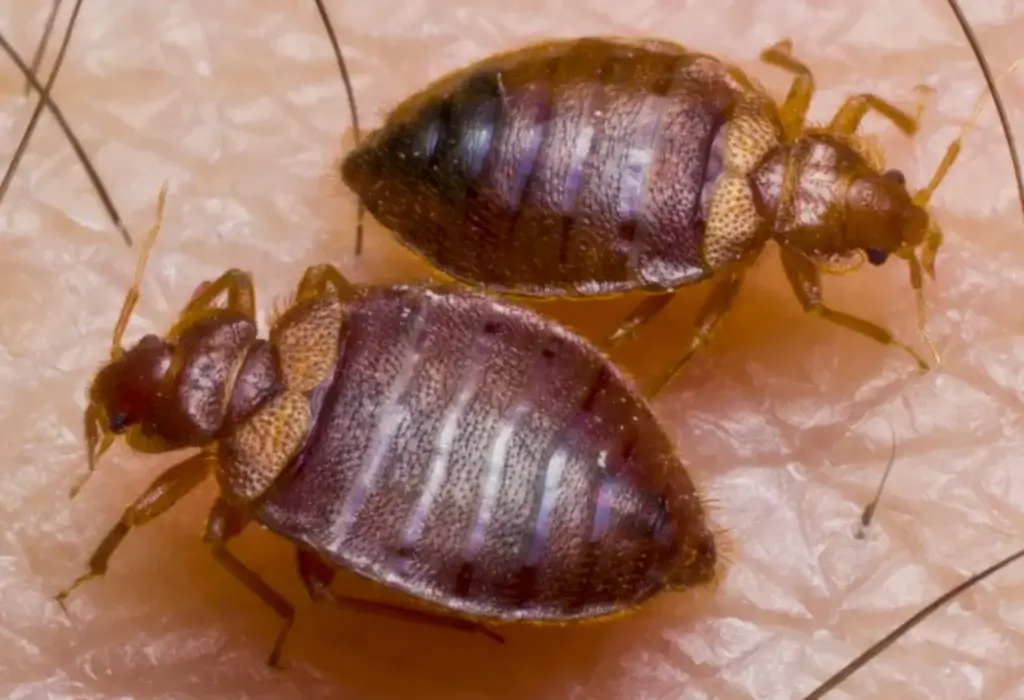
Bed bugs (Cimex lectularius) are small, reddish-brown, oval insects about the size of an apple seed. They are parasitic, feeding exclusively on the blood of warm-blooded animals, primarily humans. While they don't transmit diseases, their bites can cause itchy welts, skin irritation, and significant emotional distress. Understanding their biology and habits is the first step toward solving your bedbug problem.
The Life Cycle of a Bed Bug
Bed bugs go through several life stages: egg, nymph (five instars), and adult. Females can lay hundreds of eggs over their lifetime, often depositing them in cracks and crevices. Nymphs, or young bed bugs, are smaller and lighter in color, requiring a blood meal to progress to the next stage. Adults can live for several months, or even up to a year, especially in cooler conditions, making them a resilient pest.
How to Detect a Bedbug Problem: Signs of Infestation
Given their elusive nature, directly spotting a live bed bug can be challenging. However, they leave behind several tell-tale signs that can indicate a bedbug problem. Knowing what to look for is crucial for early detection and effective intervention.
Visual Cues of Bed Bug Presence
- Live Bed Bugs: While small, adult bed bugs are visible. Look for them in mattress seams, bed frames, headboards, and other furniture near the bed. After feeding, they appear engorged and reddish-brown.
- Blood Stains: Small, rust-colored spots on your sheets, pillowcases, or mattress covers are often indicative of bed bugs. These are typically from crushed bugs or their fecal matter.
- Dark Spots (Fecal Matter): Bed bug droppings appear as tiny black or dark brown spots, similar to ink stains. They often bleed into fabrics like a marker would.
- Eggs and Eggshells: Bed bug eggs are tiny (about 1mm), pearly white, and typically clustered in secluded areas. Empty eggshells are translucent.
- Shed Skins (Exoskeletons): As bed bugs grow, they molt, shedding their outer shells. These light brown, empty casings can be found in infested areas.
Physical Symptoms: Bed Bug Bites
Bed bug bites are one of the most common indicators of a bedbug problem. They typically appear as small, red, itchy welts that can sometimes be confused with mosquito bites or other insect bites.
- Pattern: Bites often appear in lines or clusters of three or more, sometimes referred to as 'breakfast, lunch, and dinner.'
- Location: Bites are usually found on exposed skin while sleeping, such as arms, legs, neck, and face.
- Reaction: The severity of bites varies greatly among individuals. Some may have no reaction, while others develop significant itching and inflammation.
Olfactory Evidence: Distinctive Odor
A strong infestation can sometimes produce a sweet, musty odor, often described as smelling like cilantro, overripe raspberries, or even wet towels. This scent comes from the bed bugs' alarm pheromones and can be a strong indicator of a significant bedbug problem.
Preventing a Bedbug Problem: Proactive Measures
Prevention is always better than cure, especially when it comes to a bedbug problem. Implementing proactive measures can significantly reduce your risk of an infestation.
Tips for Homeowners
- Inspect Used Furniture: Before bringing any used furniture, especially mattresses or upholstered items, into your home, perform a thorough inspection for signs of bed bugs.
- Reduce Clutter: While bed bugs don't prefer dirty environments, clutter provides more hiding spots. Regular cleaning and decluttering can limit their harborage areas.
- Vacuum Regularly: Frequent vacuuming, especially around your bed, baseboards, and furniture, can remove stray bed bugs and eggs before they establish themselves.
- Use Protective Covers: Encase your mattress and box spring in bed bug-proof covers. These encasements trap any existing bed bugs and prevent new ones from hiding within the mattress.
- Seal Cracks and Crevices: Seal gaps around baseboards, electrical outlets, and wall openings to eliminate potential hiding spots and entry points.
- Travel Smart: When traveling, inspect your hotel room for bed bugs before unpacking. Keep your luggage off the floor and away from the bed. Upon returning home, wash all travel clothes in hot water and dry them on high heat.
Professional Solutions for a Bedbug Problem in North Carolina
If you've identified a bedbug problem, immediate and effective action is essential. While DIY methods can offer temporary relief, a professional pest control service is often the most reliable way to achieve complete eradication, particularly in areas like Lenoir, NC, and surrounding communities in North Carolina.
Why Choose Professional Bed Bug Control?
- Expertise: Professionals understand bed bug behavior, hiding spots, and life cycles, allowing for targeted treatment.
- Advanced Techniques: We utilize a combination of methods, including heat treatments, specialized insecticides, and monitoring tools, that are not available to the general public.
- Thorough Eradication: Bed bugs are notoriously difficult to eliminate entirely. Professional services ensure all life stages, including eggs, are addressed, preventing re-infestation.
- Guaranteed Results: Reputable pest control companies, like A-1 Pest Control, often offer guarantees on their bed bug services, providing peace of mind.
A-1 Pest Control's Bed Bug Elimination Process
At A-1 Pest Control, we understand the stress a bedbug problem can cause. Our comprehensive four-step process is designed to eliminate bed bugs from your home or business effectively and ensure they don't return. We proudly serve residents and businesses throughout our service areas in North Carolina, including Hickory, Mooresville, and Hendersonville.
- Detailed Inspection: Our certified technicians conduct a thorough inspection of your property to confirm the presence of bed bugs, identify the extent of the infestation, and pinpoint all hiding spots. This crucial step allows us to develop a customized treatment plan.
- Customized Treatment Plan: Based on our findings, we'll recommend the most effective treatment approach for your specific situation. This may include chemical applications, heat treatments, or a combination of both. We'll provide clear instructions for pre-treatment preparation to ensure maximum effectiveness.
- Targeted Treatment Application: Our trained specialists will meticulously apply the chosen treatment methods to all infested areas and potential harborage sites. We use industry-leading products and techniques to ensure deep penetration and eradication of bed bugs at all life stages.
- Follow-Up and Prevention: We don't just treat and leave. Our team schedules follow-up visits to monitor for any remaining bed bug activity and perform additional treatments if necessary. We also offer advice on long-term prevention strategies to help you avoid future infestations.
We are so confident in our comprehensive bed bug control service that we offer a 60-day bed bug-free guarantee. If our treatment doesn't completely eradicate the problem, we'll return to finish the job at no additional cost.
Don't let a bedbug problem steal your peace of mind. Contact A-1 Pest Control today for a professional inspection and reclaim your home from these unwanted guests. You can also call us directly at 828-481-9140 for immediate assistance.
Frequently Asked Questions About a Bedbug Problem
How do I know if I have a bedbug problem and not something else?
Bed bug bites often appear in a linear or zigzag pattern on exposed skin, unlike scattered mosquito bites. You might also find tiny blood spots, dark fecal stains, or shed exoskeletons on your mattress, bed frame, or nearby furniture. A distinct musty odor can also signify a larger infestation.
Can a bedbug problem be solved with DIY methods?
While some DIY steps like thorough vacuuming, washing bedding in hot water, and using mattress encasements can help manage a minor bedbug problem, they are rarely sufficient for complete eradication. Bed bugs are extremely resilient and can hide in numerous tiny crevices, making professional treatment almost always necessary for full control.
How serious is a bedbug problem? Do they carry diseases?
While bed bugs do not transmit diseases, a bedbug problem can be very serious due to the emotional distress, sleep disruption, and allergic reactions their bites can cause. Chronic itching can lead to secondary skin infections. Early detection and professional intervention are crucial to prevent a minor issue from becoming a significant domestic problem.
What should I do to prepare my home for professional bed bug treatment?
Before professional treatment, you'll typically need to declutter affected rooms, wash and dry all bedding, clothing, and linens on high heat, and move furniture away from walls. Our technicians at A-1 Pest Control will provide you with a detailed checklist of specific preparations tailored to your home and the chosen treatment method to ensure the best results.
How long does it take to get rid of a bedbug problem completely?
The time it takes to completely eradicate a bedbug problem depends on the severity of the infestation, the chosen treatment method, and adherence to preparation guidelines. Typically, it involves multiple treatments over several weeks to ensure all bed bugs, including newly hatched nymphs, are eliminated. Our 60-day guarantee reinforces our commitment to thorough eradication.
How do bed bugs spread and how can I avoid bringing them home?
Bed bugs are excellent hitchhikers, often spreading by clinging to luggage, clothing, and used furniture. To avoid a bedbug problem, inspect hotel rooms thoroughly when traveling, keep luggage off the floor, and vacuum suitcases upon returning home. Always scrutinize second-hand furniture before bringing it indoors, especially in areas like Hickory or Mooresville where travel is common.