

The Dangers of Termites: What North Carolina Homeowners Need to Know
As a homeowner in North Carolina, you’re likely familiar with the natural beauty our state offers—from the Blue Ridge Mountains to the Outer Banks. However, beneath that beauty lies a hidden and costly threat that many homeowners underestimate: termites.
These small but destructive pests can quietly invade your home and cause extensive structural termite damage in NC before you even realize they’re there. Understanding the risks of termite damage in NC, how infestations occur, and what you can do to prevent them is essential—especially as termite season approaches.
At A-1 Pest Control, we’ve seen firsthand just how devastating termite infestations can be. The termite damage in NC is often invisible until it becomes severe, leading to expensive repairs and serious safety concerns. Let’s take a closer look at why termites are such a major issue in North Carolina and what you can do to protect your home.
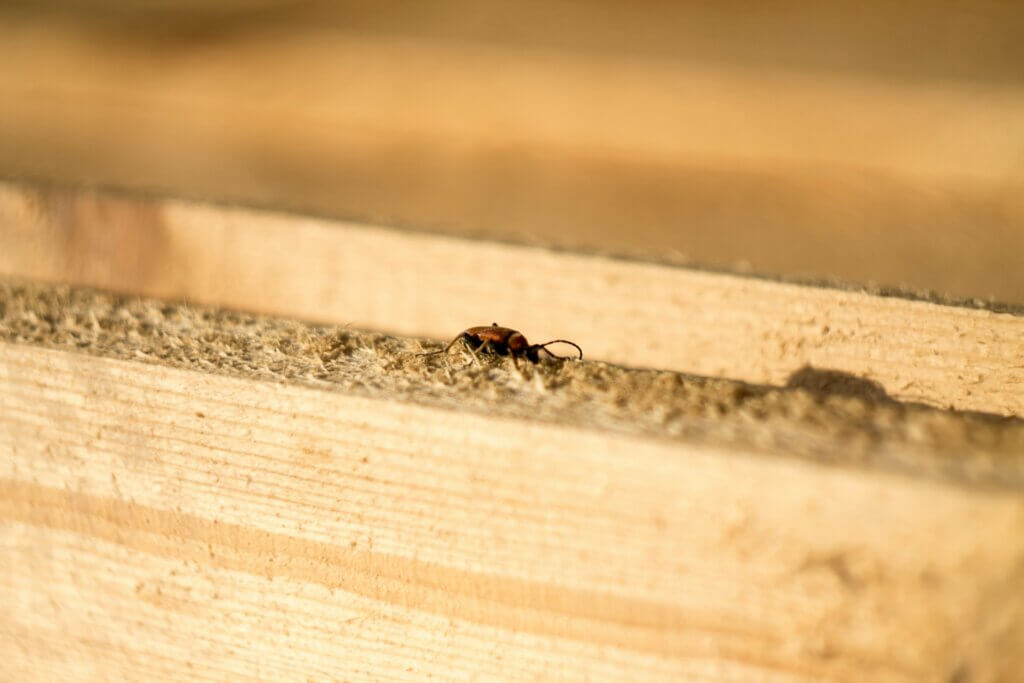
Understanding the Termite Threat in North Carolina
North Carolina’s climate creates the perfect environment for termites to thrive. Warm temperatures, high humidity, and frequent rainfall provide ideal conditions for colonies to grow and expand.
The most common species in our region is the subterranean termite. These termites live underground in large colonies and build mud tubes to access above-ground food sources—primarily the wooden structures of your home.
Unlike other household pests, termites don’t just create inconvenience—they cause real structural termite damage in NC. They feed on cellulose, a material found in wood, paper, and other plant-based materials. Over time, this feeding can weaken support beams, flooring, walls, and even your home’s foundation.
The Silent Destroyers: How Termites Operate
Termites are often referred to as “silent destroyers,” and for good reason. They can remain active in a home for months—or even years—without obvious signs.
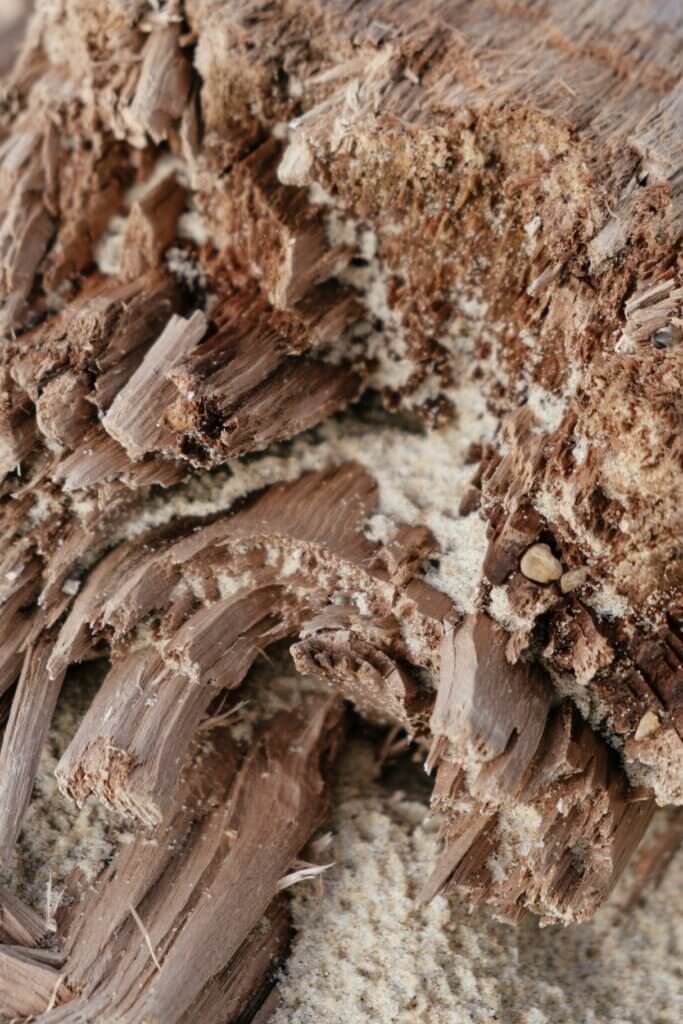
Instead of consuming wood from the outside, termites tunnel through it internally. This means the surface of the wood may look completely normal while the inside is hollowed out. By the time visible termite damage in NC appears, the infestation is often well established.
Subterranean termites stay hidden by traveling through mud tubes, which protect them from predators and dehydration. These tubes allow them to move between their underground colonies and your home without being exposed to open air.
Because of their secretive behavior, early detection is difficult without professional help. That’s why regular inspections and preventative treatments are so important.
Common Signs of Termites North Carolina Homeowners Should Watch For
Even though termites are hard to detect, there are several warning signs that can indicate an infestation. Knowing what to look for can help you catch a problem early and minimize termite damage in NC.
Mud Tubes on Foundation Walls
One of the most recognizable signs of subterranean termites is the presence of mud tubes. These pencil-sized tunnels are typically found along foundations, crawl spaces, or basement walls.
Termites use these tubes to travel safely between their colony and food sources. If you break one open, you may see live termites inside.
Discarded Wings Near Windows and Doors
During the spring, reproductive termites—also known as swarmers—leave their colonies to establish new ones. After mating, they shed their wings.
If you notice small, translucent wings near windowsills, doorways, or light fixtures, it’s a strong indication that termites may be nearby.
Hollow or Damaged Wood
Tap on wooden surfaces such as baseboards, door frames, or beams. If the wood sounds hollow or feels soft, it could be a sign of internal termite damage in NC.
You may also notice bubbling paint, warped wood, or unexplained cracks—these can all point to hidden activity beneath the surface.
Frass (Termite Droppings)
While less common in North Carolina, drywood termites leave behind droppings known as frass. These tiny, pellet-like materials often resemble sawdust or coffee grounds and may accumulate near infested wood.
Although subterranean termites don’t typically leave visible droppings, any unusual debris near wood structures should be investigated.
Why Termite Damage in NC Is So Costly
One of the biggest dangers of termites is the financial impact. Termite damage in NC is rarely covered by standard homeowners insurance policies, meaning repairs often come out of pocket.
In severe cases, structural termite damage in NC can cost thousands—or even tens of thousands—of dollars to repair. This can include:
- Replacing damaged support beams
- Repairing flooring and drywall
- Reinforcing structural framing
- Addressing moisture issues caused by infestations
Beyond the cost, there’s also the safety factor. A home with significant termite damage can become structurally unsound, putting you and your family at risk.

Preventing Termite Infestations in North Carolina
The good news is that there are several proactive steps you can take to reduce your risk of a termite infestation.
Eliminate Moisture Around Your Home
Termites are attracted to moisture, so it’s important to keep your home as dry as possible.
- Fix leaking pipes and faucets
- Ensure proper drainage around your foundation
- Use dehumidifiers in crawl spaces or basements
- Keep gutters and downspouts clear
Reduce Wood-to-Soil Contact
Direct contact between wood and soil creates an easy entry point for termites.
- Keep firewood stored away from your home
- Avoid stacking lumber or debris near your foundation
- Use concrete or metal barriers where possible
Seal Cracks and Entry Points
Even small cracks in your foundation or exterior walls can provide access for termites.
- Seal gaps around pipes and utility lines
- Repair cracks in concrete or brickwork
- Install proper weather stripping around doors and windows
Schedule Regular Inspections
Professional termite inspections are one of the most effective ways to catch infestations early.
At A-1 Pest Control, we recommend annual inspections to identify potential problems before they escalate. Early detection can save you significant time, money, and stress.
The Importance of Professional Termite Treatment
While DIY solutions may seem appealing, termite control is not something to take lightly. Over-the-counter treatments often fail to eliminate entire colonies, allowing the problem to persist.
Professional pest control services offer:
- Comprehensive inspections
- Targeted treatment plans
- Long-term prevention strategies
- Safe and effective products
At A-1 Pest Control, we use proven methods to eliminate termites at the source and protect your home year-round. Our team understands the unique challenges of termite control in North Carolina and tailors solutions to your specific needs.
When Is Termite Season in North Carolina?
Termite activity in North Carolina typically increases in the spring and summer months, when temperatures rise and conditions become more humid.
Swarming season usually begins in early spring, making this a critical time for inspections and preventative treatments. However, termites can remain active year-round, especially in warmer climates.
This means there’s no “safe” season—ongoing vigilance is key.
Protect Your Home Before It’s Too Late
Termites may be small, but the termite damage in NC they cause can be enormous. By the time you notice visible signs, the infestation may already be well established.
Taking a proactive approach is the best way to protect your investment. Regular inspections, preventative maintenance, and professional treatment can make all the difference.
If you suspect termite activity—or simply want peace of mind—don’t wait. Addressing the issue early can save you thousands of dollars and prevent serious structural termite damage in NC.
Schedule Your Termite Inspection Today
Your home is one of your most valuable assets. Protecting it from termites should be a top priority for every North Carolina homeowner.
At A-1 Pest Control, we’re here to help. Our experienced team provides thorough inspections, effective treatments, and reliable prevention plans tailored to your home.
Contact us today to schedule your termite inspection and keep your home safe from hidden damage.

Don’t Let Termites Take Over Your Home
Termites don’t wait—and neither should you. By the time you notice visible signs of damage, these pests may have already been working behind the scenes for months or even years. What starts as a small, hidden infestation can quickly turn into costly structural repairs that put both your home and your finances at risk.
The good news? You don’t have to face this alone.
At A-1 Pest Control, we specialize in protecting North Carolina homes from the serious threat of termites. Our team understands exactly how these pests behave in our local climate, and we know where to look—even when there are no obvious signs. Whether you’re concerned about a potential issue or simply want peace of mind, a professional inspection is the smartest first step.
Our termite inspections are thorough, efficient, and designed to catch problems early—before they become expensive disasters. If we do find activity, we’ll walk you through your options and create a customized treatment plan that targets the source of the problem and prevents future infestations.
But protection doesn’t stop there. We believe in long-term solutions, not quick fixes. That’s why we offer ongoing monitoring and preventative treatments to keep your home safeguarded year-round. With A-1 Pest Control, you’re not just reacting to termites—you’re staying one step ahead of them.
Your home is one of your biggest investments. Don’t leave it vulnerable to silent destroyers that can compromise its structure and value. Taking action now can save you thousands of dollars and countless headaches down the road.
If you’ve noticed signs of termites—or simply want the confidence of knowing your home is protected—now is the time to act.
Schedule your professional termite inspection with A-1 Pest Control today. Our friendly, experienced team is ready to help you protect what matters most with reliable service and proven results.
Call us now or request your inspection online—and take the first step toward a termite-free home.