

Understanding and Preventing Spider Infestations in NC Homes
There's nothing quite like the unsettling feeling of spotting a spider scurrying across your floor or, even worse, dangling from the ceiling. Here in North Carolina, spiders are a common household pest, and dealing with an infestation can be a real headache for homeowners. At A-1 Pest Control, we understand these concerns, and we're here to help you navigate the world of spider control in NC. Our goal is to provide you with the knowledge and solutions you need to keep your home spider-free.
Many people find spiders unsettling, and while most are harmless, some can deliver a painful bite. Beyond the fear factor, a significant number of spiders can indicate other pest problems, as spiders are often drawn to areas with an abundant food source. This article will delve into understanding why spiders might be choosing your home, how to identify common types of spiders in North Carolina, and most importantly, effective strategies for preventing and eliminating these eight-legged intruders.
Why Are Spiders Drawn to Your Home?
Spiders aren't typically looking for a cozy place to settle down in your living room; they're looking for food and shelter. Your home, with its warmth, numerous hiding spots, and potential buffet of insects, can be an ideal environment for them. Understanding these attractants is the first step in effective spider prevention.
Food Sources: The Primary Attractor
The most significant reason spiders enter your home is the presence of other insects. Spiders are predators, and if you have a thriving population of flies, mosquitoes, ants, or other small bugs, you're essentially putting out a welcome mat for spiders. Addressing other pest problems is a crucial component of comprehensive spider control in NC.
Shelter and Hiding Spots
Spiders seek out dark, undisturbed areas where they can build webs and lay eggs. Common hiding spots include basements, attics, crawl spaces, cluttered garages, and even inside wall voids. Cracks in foundations, gaps around windows and doors, and unsealed utility entry points provide easy access to these secluded areas.
Environmental Factors
Changes in weather can also drive spiders indoors. As temperatures drop in the fall, many spiders seek warmer shelter. Similarly, during periods of heavy rain, they may move indoors to escape flooding or excessive moisture.
Common Types of Spiders in North Carolina
North Carolina is home to a variety of spider species, and while most are harmless, it's helpful to know which ones you might encounter. Knowing the types of spiders North Carolina residents commonly see can help you understand their behavior and potential risks.
House Spiders (American House Spider)
These are perhaps the most common spiders found indoors. They build irregular, messy webs, often in corners, under furniture, or in basements. They are generally harmless and play a role in controlling other household pests.
Wolf Spiders
Unlike many other spiders, wolf spiders don't typically build webs to catch prey. Instead, they are ground hunters, often seen scurrying across floors or hiding under objects. They are relatively large and hairy, which can be alarming, but their bites are usually not medically significant.
Jumping Spiders
These small, fuzzy spiders are known for their excellent eyesight and ability to jump long distances to catch prey. They are often found near windows or doors, basking in the sun. They are generally harmless and quite fascinating to observe.
Orb-Weaver Spiders
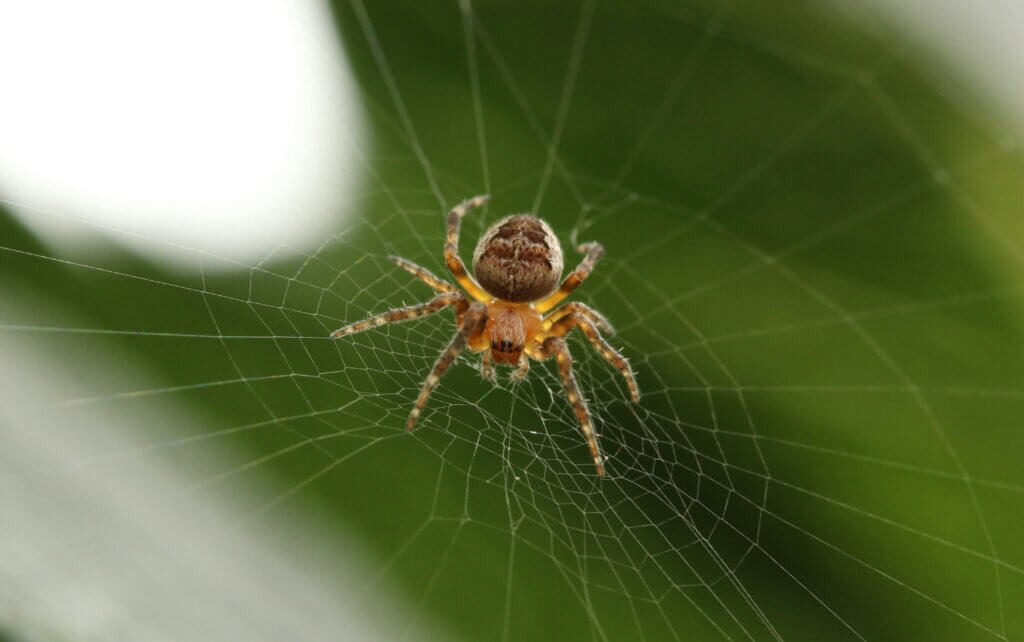
Orb-weavers are known for their beautiful, intricate, circular webs, often found outdoors between plants or eaves. While they can occasionally wander indoors, they prefer outdoor environments and are not considered a major indoor pest.
Black Widow Spiders
This is one of the few venomous spiders in North Carolina that poses a health risk. Black widows are identifiable by their shiny black bodies and the distinctive red hourglass marking on their abdomen. They prefer dark, secluded areas like woodpiles, sheds, and crawl spaces. Their bite can be painful and requires medical attention.
Brown Recluse Spiders
While less common in North Carolina than in some other Southern states, brown recluse spiders can occasionally be found. They are light to medium brown with a violin-shaped marking on their back. Like black widows, their bite can be medically significant, causing tissue damage. They prefer undisturbed, dark areas.
Effective Strategies for Spider Prevention
Preventing spiders from entering your home is always easier than dealing with an infestation. Here are some proactive steps you can take to make your home less appealing to spiders and other pests.
Seal Entry Points
This is perhaps the most critical step. Inspect your home's exterior for any cracks in the foundation, gaps around windows and doors, and openings where pipes or wires enter the house. Use caulk to seal small cracks and weatherstripping for gaps around doors and windows. Repair torn screens on windows and doors.
Reduce Clutter
Spiders love clutter because it provides them with ample hiding spots. Declutter your garage, basement, attic, and even closets. Store items in sealed plastic containers rather than cardboard boxes, which can provide easy access and harborage for spiders and other pests.
Maintain Your Yard
Keep your yard tidy. Trim shrubs and trees away from your home's foundation, as these can serve as bridges for spiders to access your house. Remove leaf litter, woodpiles, and other debris close to your home, as these are prime outdoor hiding spots for spiders.
Control Other Pests
As we discussed, spiders come indoors looking for food. By controlling other insect populations in and around your home, you'll naturally reduce the appeal for spiders. This might involve addressing ant problems, fly issues, or other general pest concerns. A comprehensive pest management plan is key.
Regular Cleaning
Regular vacuuming and dusting can help remove spiders, their webs, and egg sacs. Pay particular attention to corners, under furniture, and in less-frequented areas of your home. This disrupts their habitat and removes potential breeding grounds.
Proper Lighting
Outdoor lighting can attract insects, which in turn attracts spiders. Use yellow or sodium vapor lights, which are less attractive to insects, or consider motion-sensor lights that only turn on when needed.
When to Call a Spider Exterminator NC
Despite your best efforts, sometimes a spider problem can become overwhelming. If you're seeing a large number of spiders, suspect you have venomous spiders like black widows or brown recluse, or simply can't seem to get the problem under control, it's time to call in the professionals. A professional spider exterminator NC can offer targeted solutions.
At A-1 Pest Control, we specialize in identifying the specific types of spiders infesting your home and developing a customized treatment plan. Our experienced technicians use safe and effective methods to eliminate existing spider populations and implement preventative measures to keep them from returning. We understand the unique challenges North Carolina homeowners face with pests, and we're committed to providing lasting solutions.
Our Approach to Spider Control in NC
When you contact A-1 Pest Control, our process begins with a thorough inspection of your property. We'll identify entry points, harborage areas, and the extent of the infestation. Based on our findings, we'll recommend a tailored treatment plan that may include:
- Targeted Treatments: Applying insecticides to key areas where spiders hide and travel.
- Web Removal: Physically removing webs and egg sacs to disrupt breeding cycles.
- Exclusion Techniques: Advising on or assisting with sealing entry points.
- Perimeter Treatments: Creating a protective barrier around your home's exterior to deter new spiders.
- Ongoing Monitoring: Regular follow-up visits to ensure the problem remains under control.
We pride ourselves on using environmentally responsible methods that are effective against spiders while being safe for your family and pets. Our goal isn't just to eliminate the current problem but to provide long-term peace of mind.
Dealing with spiders in your North Carolina home can be a nuisance, but with the right knowledge and strategies, you can significantly reduce their presence. By understanding what attracts them, taking proactive prevention steps, and knowing when to seek professional help, you can maintain a more comfortable and spider-free living environment.
If you're struggling with a spider infestation or simply want to ensure your home is protected, don't hesitate to reach out to the experts at A-1 Pest Control. We're your local partners in effective spider control in NC, ready to provide the reliable and professional service you deserve. Visit our website at www.a-1pc.com or give us a call today for a free consultation!
Frequently Asked Questions
What attracts spiders to my house in North Carolina?
Spiders are primarily attracted to your house by the presence of other insects, which serve as their food source. If you have an abundance of flies, ants, mosquitoes, or other small bugs, spiders will likely follow. They also seek shelter from the elements, especially during colder weather or heavy rains, and look for dark, undisturbed hiding spots like basements, attics, and cluttered areas.
Are all spiders in North Carolina dangerous?
No, most spiders found in North Carolina are not dangerous to humans. While many can deliver a bite if provoked, their venom is typically not medically significant, causing only minor irritation. However, two species, the black widow spider and the brown recluse spider, are venomous and their bites require medical attention. It's important to be able to identify these two species and exercise caution.
How can I prevent spiders from entering my home?
Preventing spiders involves several key steps. Seal all cracks and gaps in your home's foundation, around windows and doors, and where utilities enter. Reduce clutter in basements, attics, and garages to eliminate hiding spots. Keep your yard tidy by trimming vegetation away from your house and removing debris. Most importantly, control other insect populations, as this removes the spiders' primary food source.
What should I do if I find a black widow or brown recluse spider?
If you encounter a black widow or brown recluse spider, it's best not to attempt to handle it yourself. While they are not aggressive, they will bite if they feel threatened. It's recommended to contact a professional pest control service like A-1 Pest Control immediately. We have the expertise and tools to safely identify and remove venomous spiders from your property.
Can essential oils repel spiders?
Some people believe that essential oils like peppermint, tea tree, or eucalyptus can repel spiders. While these might have a temporary deterrent effect due to their strong scents, they are generally not a long-term or highly effective solution for a significant spider problem. For reliable and lasting spider control in NC, especially for infestations, professional pest control methods are usually necessary.
How often should I have my home treated for spiders?
The frequency of spider treatments depends on several factors, including the severity of your current infestation, your home's susceptibility to pests, and environmental conditions. For ongoing prevention, many homeowners opt for quarterly or bi-annual pest control services. A-1 Pest Control can assess your specific situation and recommend a customized treatment schedule to keep your home protected year-round.
Is it true that spiders come indoors more in the fall?
Yes, it is often true that spiders become more noticeable indoors during the fall. As outdoor temperatures drop and the weather becomes harsher, many spider species seek warmer, more sheltered environments to overwinter or to find mates. This natural migration often leads them into homes through any available cracks or openings, making fall a peak season for indoor spider sightings.