

Spring Pest Prevention Tips for North Carolina Homeowners
Ah, spring in North Carolina! The dogwoods are blooming, the birds are singing, and the air is filled with the promise of warmer days. While we all eagerly anticipate enjoying our beautiful state's spring splendor, there's another group that's just as excited about the change in seasons: pests.
As temperatures rise and nature awakens, so do the ants, spiders, mosquitoes, and other critters looking for a new home – often, that home is yours. Here at A-1 Pest Control, we understand the unique challenges North Carolina homeowners face, and that's why we're sharing our top tips for Spring pest control in NC that can keep your home and property comfortable.
Preventing pests before they become a major problem is always the best approach. Think of it as spring cleaning for your home's perimeter. By taking proactive steps now, you can save yourself a lot of headaches (and potential infestations) down the line. Let's dive into how you can safeguard your sanctuary.
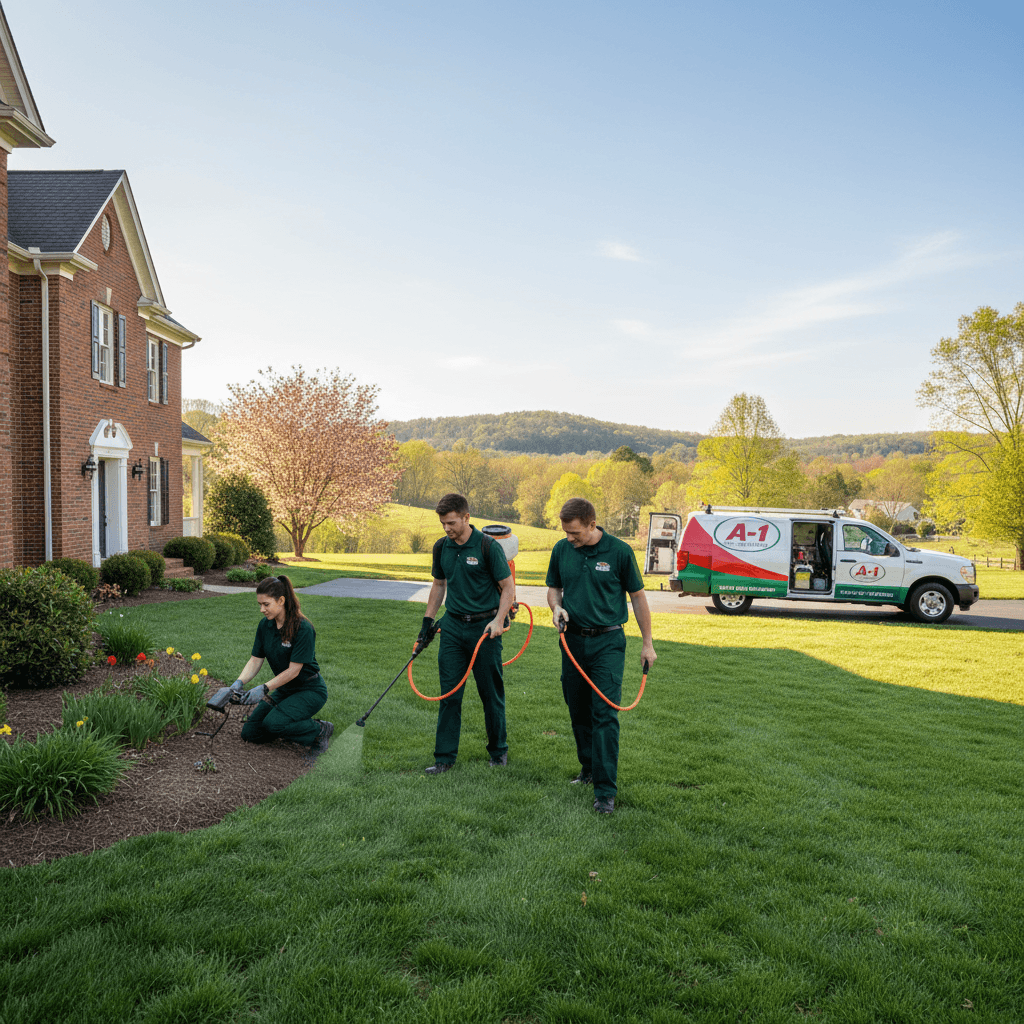
Understanding North Carolina's Spring Pest Surge
Why do pests seem to explode in numbers during spring? It's simple biology. Many insects and rodents have been dormant or less active during the colder winter months. As spring arrives, they emerge from hibernation, begin to reproduce, and actively search for food, water, and shelter.
Our mild North Carolina winters often mean that pest populations don't die back as much as they might in harsher climates. This gives them a head start when spring rolls around, making early prevention even more critical for NC pest prevention.
Common Spring Pests in North Carolina
- Ants: From tiny sugar ants to larger carpenter ants, these social insects are on the hunt for food and can quickly establish colonies inside your home.
- Spiders: Many spider species become more active in spring, seeking prey and new places to spin webs, often finding their way indoors.
- Mosquitoes: As standing water becomes more prevalent, mosquito populations boom, turning your backyard into a biting ground.
- Termites: Spring is swarming season for many termite species, a critical time to be vigilant about these destructive pests.
- Cockroaches: These resilient pests thrive in warm, humid conditions, making spring and summer prime time for their activity.
- Stinging Insects: Wasps, hornets, and bees begin building nests, often in inconvenient or dangerous locations around your home.
Your Ultimate Spring Pest Prevention Checklist
Taking a comprehensive approach to spring bug control North Carolina is key. Here's what we recommend focusing on:
1. Seal Entry Points – Your Home's First Line of Defense
Pests don't need a red carpet; a tiny crack is an open invitation. Walk around your home's exterior and interior with a keen eye. Look for any gaps or openings that could serve as an entry point.
Use caulk to seal cracks in foundations, around windows, and where pipes or wires enter the house. Repair or replace damaged screens on windows and doors. Install door sweeps on exterior doors to close off the gap at the bottom.
2. Manage Moisture – Deny Pests a Drink
Water is essential for all life, including pests. Eliminating sources of standing water and reducing humidity can make your home far less attractive. Fix leaky faucets, pipes, and AC units promptly.
Ensure your gutters are clean and draining properly, directing water away from your foundation. Address any drainage issues in your yard that create puddles. Consider using dehumidifiers in damp basements or crawl spaces.
3. Maintain Your Yard – An Uninviting Exterior
Your landscaping can either be a pest haven or a deterrent. Keep your lawn mowed regularly and trim back shrubs and trees so they don't touch your house. This creates a barrier, preventing pests from easily climbing onto your home.
Remove leaf litter, woodpiles, and other debris from around your foundation. These provide excellent harborage for many pests. Store firewood at least 20 feet away from your house and off the ground.

4. Proper Waste Management – Don't Feed the Pests
Food scraps are a magnet for many pests, especially ants and rodents. Ensure all indoor and outdoor trash cans have tight-fitting lids. Regularly empty indoor bins and keep outdoor bins clean.
Rinse out recycling containers before placing them outside. If you compost, make sure your compost bin is sealed and located away from your home.
5. Kitchen and Pantry Hygiene – A Clean Sweep
The kitchen is often ground zero for indoor pest activity. Wipe down counters daily, clean up spills immediately, and sweep or vacuum floors regularly to remove crumbs.
Store food in airtight containers, especially cereals, grains, and pet food. Don't leave dirty dishes in the sink overnight. A clean kitchen is a less appealing kitchen for pests.
6. Inspect and Declutter Storage Areas – Out of Sight, Not Out of Mind
Basements, attics, and garages are often overlooked but can be prime breeding grounds for pests. Declutter these areas, removing old boxes, newspapers, and unused items that can provide shelter.
Store items in sealed plastic bins rather than cardboard boxes, which can be easily chewed through and absorb moisture. Regularly inspect these areas for signs of pest activity.
When to Call the Professionals for Spring Pest Control NC
While DIY prevention goes a long way, some pest problems require professional expertise. If you're dealing with a persistent infestation, suspect termites, or have stinging insect nests that are too close for comfort, it's time to call in the experts.
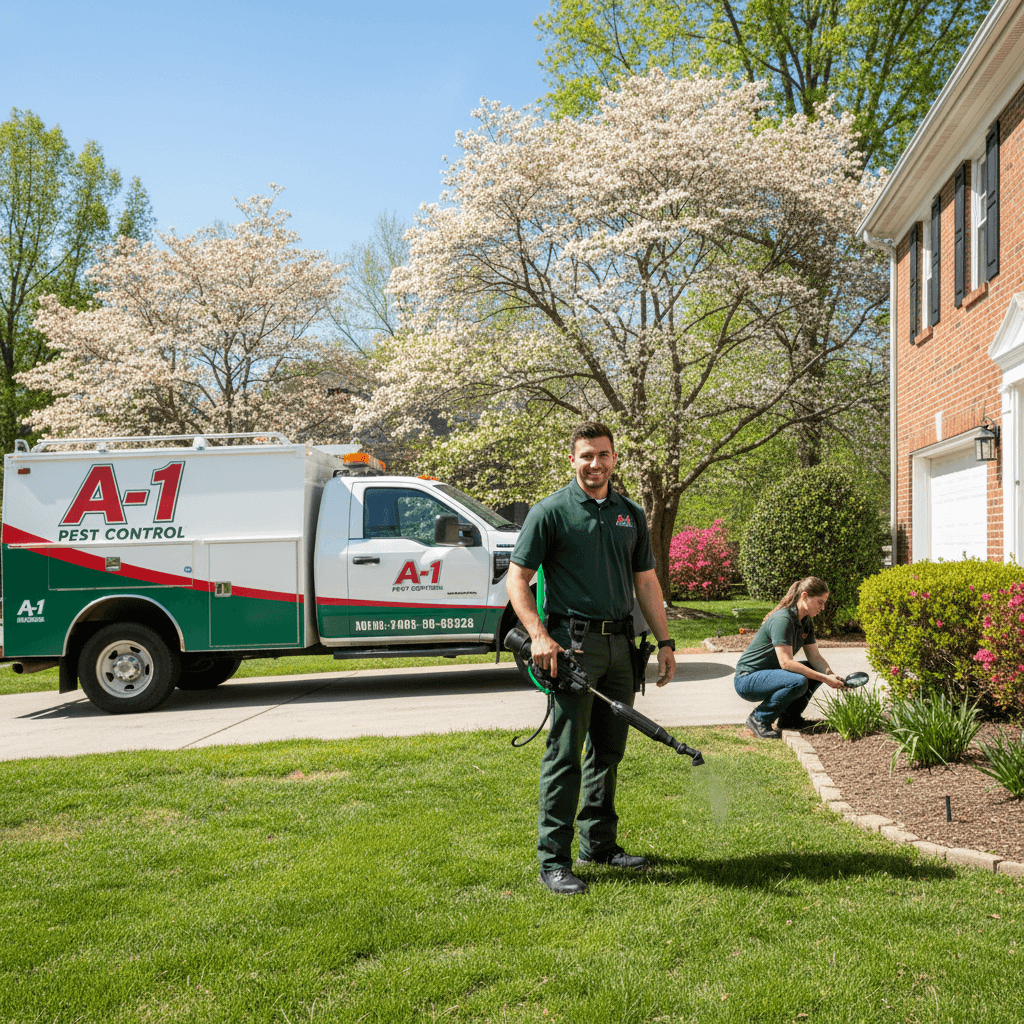
At A-1 Pest Control, we've been serving North Carolina homeowners for years, providing effective and environmentally responsible pest management solutions. We understand the local pest pressures and have the tools and knowledge to identify, treat, and prevent a wide range of pests, ensuring your home remains a pest-free zone this spring and beyond.
Don't let pests ruin your enjoyment of the beautiful North Carolina spring. Our team is ready to help you implement a comprehensive pest prevention plan tailored to your home's specific needs. Visit our website at a-1pc.com or give us a call to schedule an inspection.
Frequently Asked Questions
What are the most common pests in North Carolina during spring?
In North Carolina, spring brings a surge in activity for several common pests. You'll frequently encounter ants, which emerge in large numbers seeking food and new nesting sites. Spiders also become more active, as do mosquitoes, especially with increased standing water. Termites begin their swarming season, making them a significant concern. Cockroaches and various stinging insects like wasps and hornets also become more prevalent as the weather warms and they start building nests.
How often should I inspect my home for pests in the spring?
We recommend a thorough inspection of your home, both inside and out, at least once a month during the spring. Pay close attention to areas like basements, attics, crawl spaces, kitchens, and bathrooms, as well as the perimeter of your foundation. Regular checks allow you to catch potential pest problems early, before they can escalate into full-blown infestations, making prevention and treatment much easier.
Are there any natural remedies for spring pest control?
While natural remedies can offer some deterrent effects, their effectiveness varies greatly depending on the pest and the severity of the issue. For example, essential oils like peppermint or tea tree oil might deter some spiders or ants temporarily. Diatomaceous earth can be used to dehydrate certain insects. However, for established infestations or more resilient pests like termites, professional intervention is almost always necessary. Natural remedies are best used as part of a broader preventative strategy, not as a standalone solution for serious problems.
When is the best time to apply pest control treatments in spring?
The best time to apply preventative pest control treatments in spring is typically in late winter or very early spring, before pests become highly active. This proactive approach creates a barrier that deters pests as they emerge from dormancy and begin to seek food and shelter. For specific pests like termites, timing is crucial during their swarming season, which often occurs in spring. Consulting with a local pest control expert like A-1 Pest Control can help you determine the optimal timing for your specific needs.
How can I prevent mosquitoes from breeding in my yard?
Preventing mosquitoes from breeding in your yard primarily involves eliminating standing water. Regularly empty and clean bird baths, pet water bowls, and plant saucers. Clear clogged gutters, which can hold stagnant water. Turn over wheelbarrows, kiddie pools, and anything else that can collect rain. If you have a pond or water feature, consider adding mosquito dunks (BTI products) which are safe for most other wildlife. Even small amounts of standing water can be a breeding ground, so vigilance is key.
What are the signs of a termite infestation in spring?
Spring is prime termite swarming season, so watch for winged insects resembling flying ants, especially near windows or light sources – these are often termite swarmers. You might also find discarded wings near windowsills. Other signs include mud tubes on your foundation or walls, which termites use for protection, and damaged wood that sounds hollow when tapped. If you notice any of these signs, it's critical to contact a professional like A-1 Pest Control immediately for an inspection, as termites can cause significant structural damage.
Is professional pest control necessary if I follow all prevention tips?
While following all prevention tips significantly reduces your risk of pest problems, professional pest control can still be highly beneficial, and often necessary. Many pests, especially those like termites or certain ant species, can be incredibly difficult to eradicate completely with DIY methods alone.
Professionals have access to specialized treatments, equipment, and expertise to address existing infestations thoroughly and provide long-term preventative barriers. For comprehensive protection and peace of mind, partnering with a local expert like A-1 Pest Control ensures your home remains protected year-round, even with your best efforts.