

Termite Swarmers vs. Flying Ants: How to Tell the Difference in NC
Discovering winged insects indoors or around your North Carolina property can be alarming, often leading to immediate concern about termites. However, it's crucial to distinguish between termite swarmers and flying ants, as these two insects are frequently mistaken for one another, yet they require vastly different pest control approaches.
Misidentifying them could mean delaying vital action against a destructive termite infestation that compromises your home's structure. This article will help you confidently identify which insect you're dealing with, empowering you to protect your property effectively.
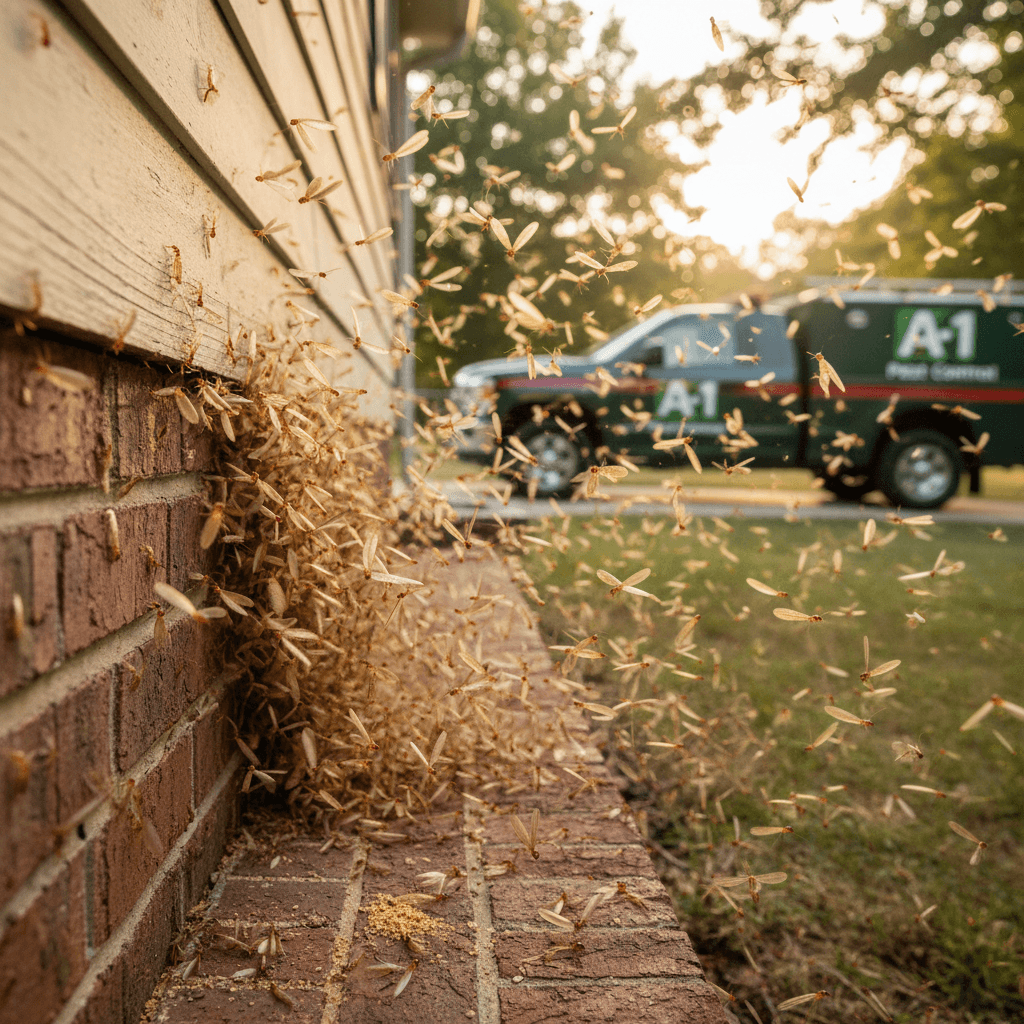
What's the Key Difference Between Termite Swarmers and Flying Ants?
The most important distinction between termite swarmers and flying ants, especially in North Carolina, lies in three primary physical characteristics: their wings, antennae, and waist. Termite swarmers have straight antennae, a broad waist, and two pairs of wings of equal length. Flying ants, conversely, possess elbowed antennae, a constricted or "pinched" waist, and two pairs of wings that are unequal in length, with the front wings typically longer than the back.
Why is Proper Identification So Important for North Carolina Homeowners?
In North Carolina, the presence of either termite swarmers or flying ants, particularly in spring or early summer, indicates a mature colony nearby. Termites, however, pose a significant and costly threat to your home's structural integrity, causing billions of dollars in damage annually across the U.S. Flying ants, while a nuisance, are generally not destructive to property. Accurate identification is the first step in deciding whether you need immediate termite intervention or simpler ant control measures.
Key Distinguishing Features: Termite vs. Flying Ant
Let's break down the subtle yet critical differences that will help you identify these winged insects:
What Do Termite Swarmers Look Like?
Termite swarmers are the reproductive members of a termite colony, sent out to establish new colonies. In North Carolina, subterranean termites are the most common species to swarm.
- Wings: They have two pairs of wings that are roughly equal in length and shape. These wings are often translucent or pale and extend well beyond the body.
- Antennae: Termite antennae are straight, bead-like, and appear to be made up of many small, round segments. They don't have a distinct bend or elbow.
- Waist: Termites have a broad, thick waist, meaning their body appears to be a single, uniform cylinder from head to abdomen, with no noticeable constriction.
- Color: Swarmers are typically dark brown or black.
- Behavior: Often seen swarming after rain, particularly in spring, or emerging from tiny cracks in foundations, baseboards, or window frames. They shed their wings quickly after swarming, leaving small piles of discarded wings near entry points.
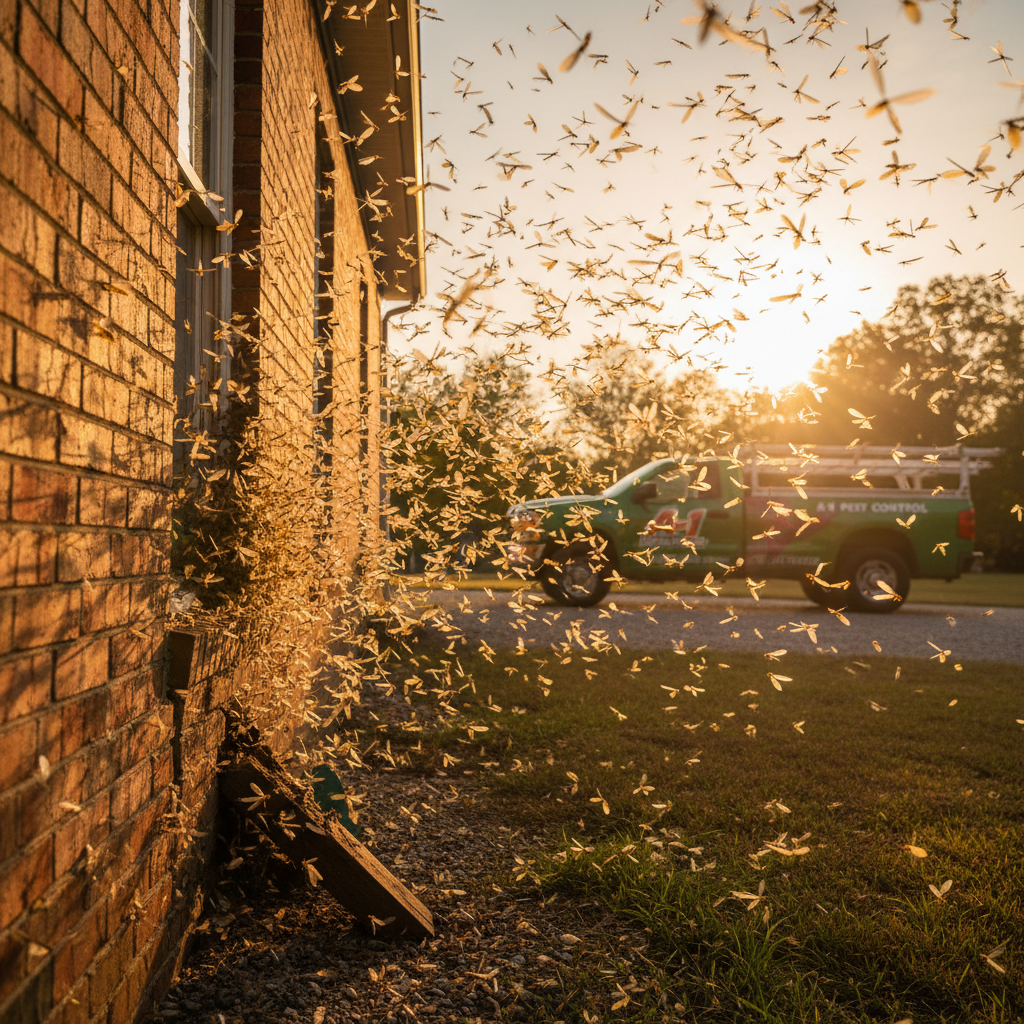
What Do Flying Ants Look Like?
Flying ants are reproductive ants (males and new queens) that temporarily grow wings for their mating flight.
- Wings: They have two pairs of wings, but they are unequal in length. The front pair is noticeably longer than the back pair. The wings may also appear slightly veined.
- Antennae: Flying ant antennae are "elbowed" or bent, similar to a human arm at the elbow.
- Waist: Ants have a distinct, pinched or constricted waist between their thorax and abdomen, giving them a segmented appearance.
- Color: Can vary greatly depending on the species, from black to red to brown.
- Behavior: Swarming activity can occur at different times of the year, depending on the species, but also often after rain. Unlike termites, flying ants don't typically shed their wings as readily or in such large quantities indoors.
When and Where Do They Appear in North Carolina?
Understanding the seasonality and typical locations can further aid in your identification efforts.
Termite Swarming Seasons in NC
In North Carolina, subterranean termites typically swarm in the spring, often after a rain shower on a warm, sunny day. This usually happens between February and May, though specific timing can vary. They may emerge from soil around your foundation or directly from within your home's structure.
Flying Ant Activity in NC
Flying ants can appear throughout the warmer months, from spring through fall, depending on the ant species. Some species swarm in spring, others in summer. You might see them in a wider variety of locations, both indoors and outdoors, often attracted to light.
What Are the Risks of Misidentification?
The biggest risk of mistaking termite swarmers for flying ants is complacency. If you dismiss termite swarmers as "just ants," you could allow a termite colony to continue its destructive work undetected, leading to extensive and costly structural damage to your home. Termites work silently and often out of sight, making early detection through swarmer identification critical. This is why professional help, like that offered by A-1 Pest Control, is so valuable.
What Should You Do If You Suspect Termites?
If you've used the above distinctions and still suspect you have termites, or even if you're unsure, it's best to act quickly.
- Don't Disturb Them: Avoid spraying them with insecticides or disturbing them. This can scatter the swarmers and make it harder for a professional to pinpoint the infestation source.
- Collect a Sample (If Possible): If you can, collect a few specimens in a small plastic bag or container. This will help a pest control expert confirm the identification.
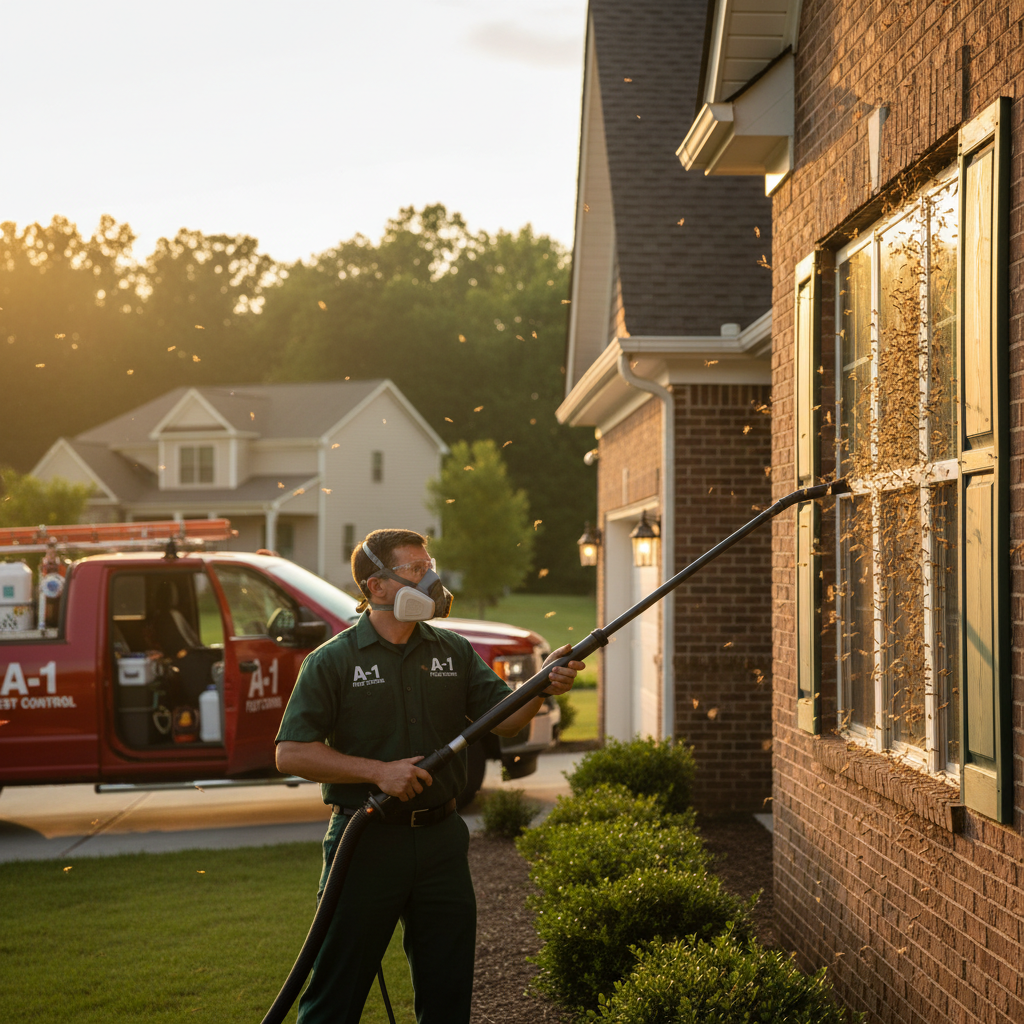
- Contact a Professional: The most crucial step is to contact an experienced pest control service in North Carolina. A professional inspection is the only way to accurately confirm a termite infestation and determine the extent of the problem.
At A-1 Pest Control, we offer expert Termite Control & Extermination services, starting with a thorough inspection to determine if termites are indeed present and to develop a tailored treatment plan for your North Carolina home.
Why Professional Pest Control is Essential for Termites
Termite control is not a DIY project. It requires specialized knowledge, equipment, and products to effectively eliminate colonies and prevent future infestations. Professionals understand termite biology, behavior, and the most effective treatment methods, including baiting systems and liquid treatments. They can also identify conducive conditions around your property that might attract termites. For comprehensive pest management, beyond just termites, remember to check out all our pest control insights and solutions. We even handle other challenging pests, like providing effective hornet control.
Frequently Asked Questions
Do flying ants and termite swarmers appear at the same time of year in North Carolina?
While there can be some overlap, termite swarmers in North Carolina typically emerge in the spring, from late winter to early summer, often after rain. Flying ants, depending on the species, can be seen throughout spring, summer, and fall. If you see swarming insects in your home during the spring, it raises a higher red flag for termites.
Can I effectively treat termites myself with store-bought products?
No, attempting to treat termites yourself with store-bought products is rarely effective and can often make the problem worse. These products typically only affect the visible termites, failing to eliminate the hidden colony, which continues to cause damage. Termite control requires professional expertise and specialized treatments to ensure complete eradication.
What should I do with the wings left behind by swarmers?
If you find piles of discarded wings, particularly indoors, it's a strong indicator of termite activity. Do not discard them immediately. Carefully collect a few of the wings in a small bag or container. These can be very helpful for a pest control professional from A-1 Pest Control to confirm the presence of termites during an inspection.
How quickly should I act if I suspect termites?
You should act immediately if you suspect termites. Termites can cause significant damage to your home's structure over time, and the longer an infestation goes untreated, the more costly the repairs can become. Contacting a professional for an inspection as soon as possible is crucial to mitigate potential damage.
Will A-1 Pest Control help me identify the insects I've found?
Absolutely. A-1 Pest Control specializes in identifying all types of pests common to North Carolina homes. If you're unsure whether you're dealing with termite swarmers or flying ants, our experts can provide accurate identification and recommend the appropriate next steps during an inspection.
Schedule a Termite Inspection With A-1 Pest Control
Don't let uncertainty about winged insects put your North Carolina home at risk. If you've spotted swarmers and are concerned about termites, the team at A-1 Pest Control is here to help.
We provide thorough inspections and effective, long-term termite solutions for homeowners across the region. Contact us today to schedule your professional termite inspection and ensure your home remains safe and sound.