

Ants In North Carolina: Identification, Risks, And Prevention Guide
North Carolina's warm, humid climate and diverse ecosystems create an ideal environment for pests of all kinds, especially ants. Property owners across the state frequently encounter different species of ants in North Carolina invading kitchens, nesting inside structural framing, or building painful mounds in open turf. Understanding which species has invaded your living space is the critical first step toward lasting control, as a treatment strategy designed for one ant can actually cause another species to scatter and multiply.
What Types Of Ants Are Common In North Carolina?
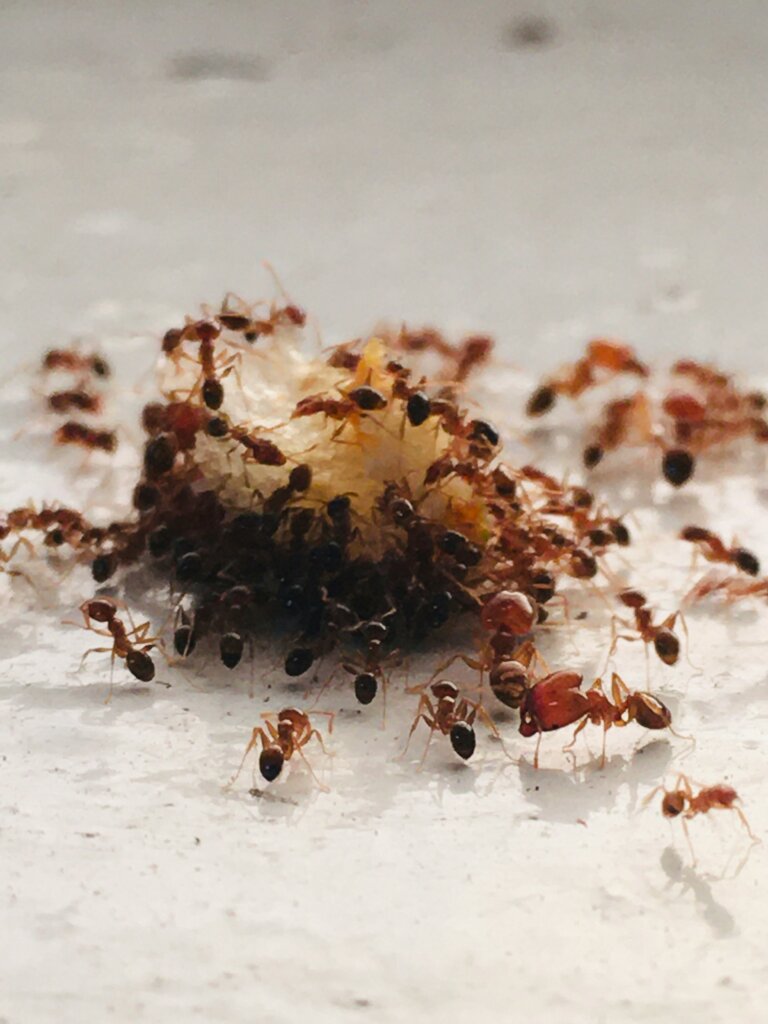
The most common ants in North Carolina include carpenter ants, red imported fire ants, odorous house ants, Argentine ants, and pavement ants. While nuisance ants forage for indoor sweets and moisture, destructive wood-boring species and stinging lawn pests pose genuine risks to your property and physical safety. Lasting control requires accurate identification of nesting habits, entry points, and food preferences across different species.
Which Common Types Of Ants In North Carolina Should Homeowners Know?
Dozens of ant species live throughout the state, but only a handful routinely enter structures or cause trouble in yards. Identifying the specific pest species helps you address the root cause of the invasion instead of simply spraying surface foragers.
Carpenter Ants
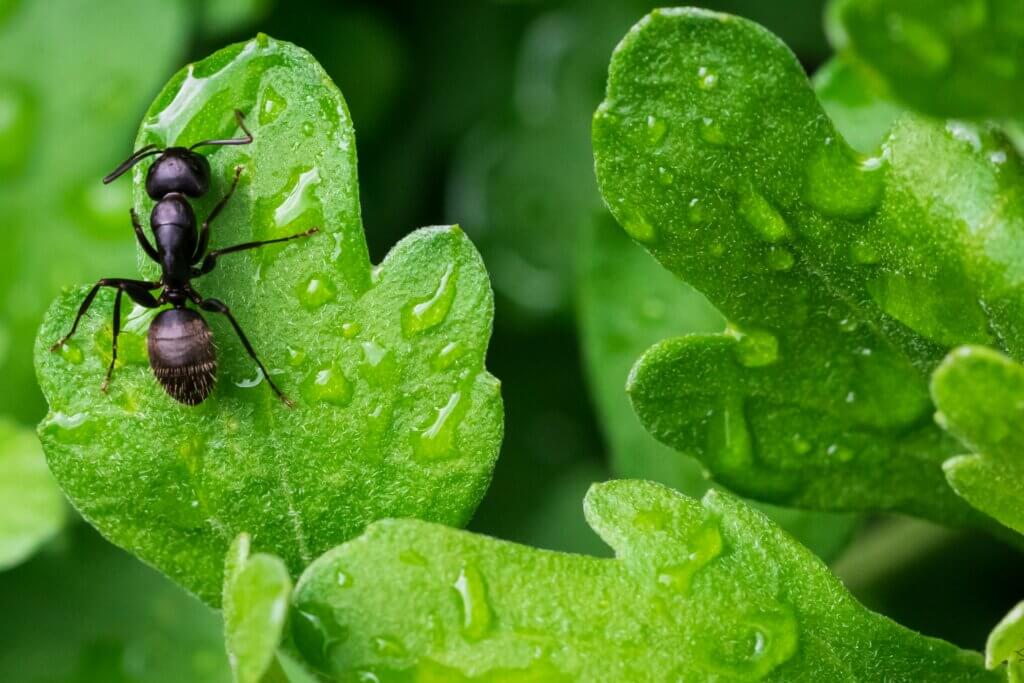
As one of the largest species in the region, carpenter ants measure up to a half-inch in length and are typically solid black or reddish-black. Unlike termites that consume cellulose, these ants do not eat wood. Instead, they excavate smooth, clean tunnels inside moist or decaying timber to establish satellite nests for their growing colonies. Over time, their extensive tunneling weakens support beams, window frames, and subflooring.
Red Imported Fire Ants
Widely distributed across Piedmont and coastal lawns, fire ants are aggressive reddish-brown insects that construct large, dome-shaped mounds in open soil. When their mounds are disturbed, hundreds of worker ants rush out to deliver repeated, venomous stings. These stings cause burning sensations, itchy white pustules, and potential allergic reactions in sensitive children and pets.
Odorous House Ants
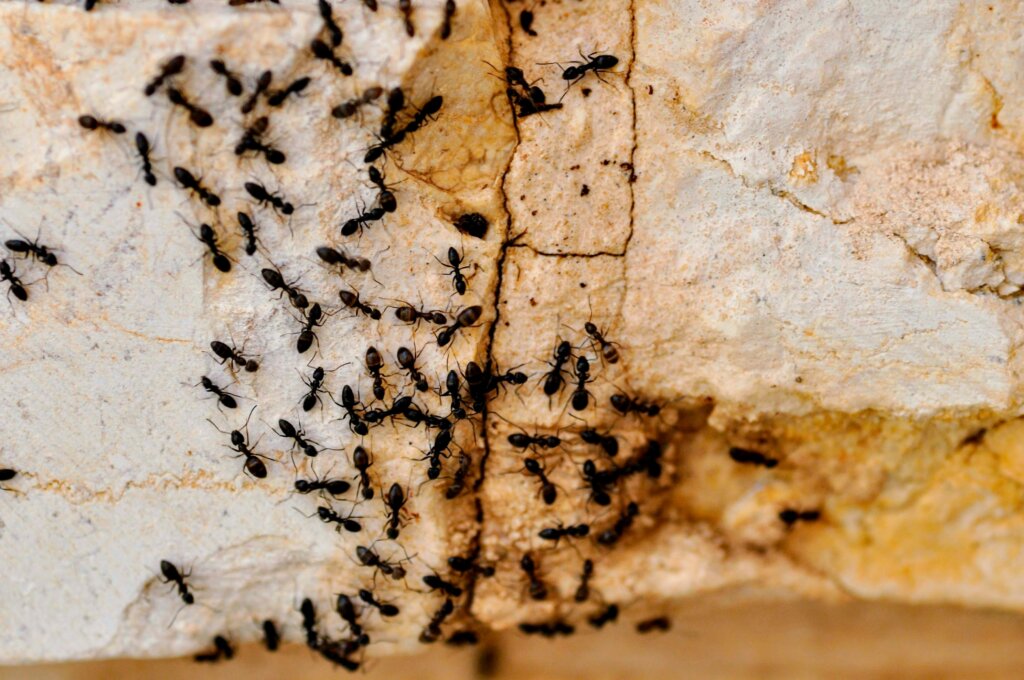
Odorous house ants are tiny brown or black insects that earned their name from the rotten, coconut-like odor they emit when crushed. These persistent foragers travel in distinct trails along baseboards and countertops in search of grease, sweets, and standing water. Because colonies often contain multiple queens and divide quickly, sudden indoor swarms are common after heavy rains.
Argentine Ants
Argentine ants are another small, light to dark brown species notorious for forming massive supercolonies with cooperative queens. When threatened by over-the-counter repellent sprays, Argentine ant colonies undergo a process called budding, where queens split up and establish several new colonies throughout wall voids. This reaction can turn a localized kitchen issue into a home-wide infestation overnight.
Pavement Ants
Pavement ants are small, dark brown insects that establish nests beneath concrete slabs, driveways, sidewalks, and foundation walls. They often deposit small craters of excavated dirt along exterior masonry joints and basement cracks. In their search for food, they quickly transition inside through slab expansion joints to feed on fallen crumbs and pet food.
You can learn more about identifying various household invaders by exploring our comprehensive guide to ants and their unique behaviors.

Why Are Ants Attracted To North Carolina Homes?
Ant infestations are rarely random. Worker ants spend their entire lives foraging for three essential resources: moisture, dietary sustenance, and protected nesting harborage. Summer heat waves and prolonged wet weather in North Carolina frequently drive colonies to seek shelter inside human structures.
- Excessive indoor and outdoor moisture: Leaking outdoor hose bibbs, crawl space dampness, clogged gutters, and condensation around plumbing pipes attract thirsty foragers.
- Accessible food sources: Open pantry containers, sticky spills, pet food dishes left out overnight, and unsealed garbage cans provide an endless buffet for scouting ants.
- Structural access points: Gaps around door thresholds, unsealed utility pipe penetrations, and foundation cracks offer seamless entryways for small insects.
- Vegetation contact: Tree limbs and overgrown shrubs touching roofs or exterior walls act as natural bridges that bypass exterior chemical barriers.
What Threats Do Ants In North Carolina Pose To Property And Health?
Many people view ants simply as unsightly kitchen annoyances, but certain species carry serious property and medical risks. Recognizing these hazards early helps homeowners prioritize prompt, targeted elimination before structural damage or injuries occur.
It is important to understand why carpenter ants are dangerous homes and buildings in our area. When carpenter ants target framing near moist crawl spaces, wall voids, or roof leaks, the structural integrity of your building degrades steadily. While their activity moves more slowly than subterranean termites, unrepaired damage can lead to costly carpentry repairs.
For outdoor areas, red imported fire ants present a primary medical concern. A single inadvertent step onto a hidden mound in tall grass can result in dozens of painful stings within seconds. For individuals allergic to insect venom, fire ant stings can trigger life-threatening anaphylaxis requiring emergency care. Meanwhile, nuisance species like odorous house ants contaminate pantry goods and food prep surfaces as they crawl across garbage, outdoor dirt, and kitchen countertops.
How Do Carpenter Ants Differ From Termites?
Because both pests infest wooden components of homes, property owners frequently confuse swarming carpenter ants with reproductive termites. Distinguishing between them ensures you choose the proper remediation plan, whether you need targeted ant removal or specialized termite treatment in North Carolina.
- Body Shape: Carpenter ants feature a pinched, narrow waist separating their thorax and abdomen, whereas termites have a broad, uniform waistline without a visible pinch.
- Antennae: Ants have distinct, bent or elbowed antennae, while termites have straight, beaded antennae.
- Wing Proportions: Swarming ants possess two pairs of wings with the front pair noticeably larger than the hind pair. Swarming termites have four wings of equal size and shape that break off easily.
- Wood Debris: Termites consume wood and leave behind mud tubes along foundations, while carpenter ants push out fine, sawdust-like shavings known as frass through kick-out holes.
How Can You Prevent Ant Infestations Around Your Property?
Preventing an ant invasion is significantly easier than eradicating an established colony nesting inside wall voids. You can dramatically reduce the likelihood of an infestation by implementing practical exclusion steps and eliminating conducive conditions around your property.
- Seal cracks, gaps, and crevices around exterior foundation walls, windows, and doors using exterior-grade silicone caulk.
- Trim tree branches, ornamental shrubs, and thick mulch beds at least twelve inches away from siding and rooflines.
- Repair plumbing leaks in kitchens, bathrooms, and crawl spaces promptly to eliminate hidden water sources.
- Store dry pantry staples like cereal, sugar, flour, and pet food in airtight glass or plastic containers.
- Wipe down countertops, sweep kitchen floors daily, and empty interior trash bins regularly into sealed exterior cans.
- Keep gutters and downspouts clean and ensure stormwater drains away from your foundation footings.
Why Do Over-The-Counter Ant Sprays Usually Fail?
When an ant trail appears on a kitchen counter, the natural instinct is to grab an over-the-counter aerosol spray. While these store-bought products kill the visible ants on contact, they almost never solve the underlying problem. Only a tiny fraction of a colony leaves the nest to forage at any given time, meaning the queen and thousands of developing larvae remain unharmed deep inside your walls or soil.
Furthermore, many commercial repellents act as barrier toxins that cause budding in social species like Argentine ants or odorous house ants. Once worker ants sense the chemical threat, the colony fractures into multiple sub-colonies, compounding your infestation. Professional exterminators rely on slow-acting, non-repellent transfer baits and specialized barrier treatments that foraging workers carry back to the queen, neutralizing the colony at its source.
When Should You Call A Professional Exterminator In North Carolina?
While occasional lone foragers can sometimes be managed with diligent sanitation, active indoor trails, wood shavings, or painful yard mounds call for professional intervention. Experienced technicians understand local insect biology, environmental seasonal shifts, and nest architectures unique to our region.
Working with an established provider ensures your home receives targeted, affordable pest control in North Carolina designed to resolve pests safely and efficiently. Comprehensive home protection programs also identify emerging vulnerabilities, protecting your structure from broader threats ranging from ant colonies and wood-destroying organisms to seasonal pests requiring specialized solutions like bed bug pest control in North Carolina.
Frequently Asked Questions
What is the most common ant species found in North Carolina homes?
The odorous house ant is the most frequent indoor invader across North Carolina, commonly spotted trailing toward kitchen sinks, pantries, and pet bowls. These small black or brown ants are notorious for their sweet tooth and the foul, rotten-coconut odor they release when crushed. They multiply rapidly during wet weather and readily establish nests behind drywall and insulation.
How can I tell the difference between carpenter ants and termites?
Carpenter ants have a pinched waist, elbowed antennae, and front wings that are longer than their hind wings, whereas termites have a straight waist, beaded antennae, and four wings of equal length. In addition, termites actually consume cellulose materials, while carpenter ants only excavate galleries in wood, leaving behind piles of sawdust-like frass outside small exit holes.
Why do ants keep invading my kitchen during the summer?
Summer brings high temperatures and fluctuating rainfall that dry out or flood natural outdoor nesting sites, forcing worker ants to seek reliable moisture and food indoors. Kitchens provide an abundant supply of water around sinks, grease on stovetops, and small crumbs on counters. Even microscopic food residue can attract scout ants, who leave chemical scent trails for the rest of the colony to follow.
Are over-the-counter ant sprays effective for eliminating an infestation?
Over-the-counter aerosol sprays generally kill only the individual foraging ants you see, leaving the queen and the vast majority of the colony untouched inside their nest. In fact, repellent chemical sprays can cause certain species, such as Argentine ants, to scatter and split into multiple separate colonies through a process known as budding. Professional treatments use non-repellent products and baits that workers carry back to eliminate the entire colony.
Can red imported fire ants cause serious health issues?
Yes, red imported fire ants can cause severe health complications because their aggressive defense mechanism involves anchoring with their mandibles and repeatedly injecting alkaloid venom with their stingers. Their stings cause intense burning followed by itchy fluid-filled pustules that can become infected if scratched. In severe cases, individuals with insect venom allergies may experience systemic anaphylactic shock, which requires emergency medical attention.
Schedule Professional Ant Control With A-1 Pest Control
Do not let destructive or stinging ants disrupt your home, lawn, or peace of mind. A-1 Pest Control provides targeted, eco-friendly pest solutions tailored specifically to the climate and common pests of North Carolina. Our trained exterminators accurately identify hidden nesting sites, deploy targeted treatments that eliminate parent colonies, and install protective barriers to keep future invaders outside where they belong.
Take the first step toward a pest-free home by claiming your complimentary evaluation. Get your free inspection today or contact our local team directly at 828-355-4060. You can also reach out through our convenient contact page to discuss your pest control needs with our friendly specialists.