

Big Bugs in North Carolina: Expert Pest Control Solutions
North Carolina is renowned for its scenic beauty, warm climate, and lush green landscapes, but that same welcoming environment also supports a thriving insect population. Spotting big bugs in North Carolina homes can be alarming for homeowners, whether you encounter an oversized roach in the bathroom, a massive flying hornet near your porch, or wood-destroying pests in your crawl space. Understanding which pests are harmless visitors and which ones threaten your property or health is the first step toward effective pest extermination.

What Are the Most Common Big Bugs in North Carolina?
The most common big bugs in North Carolina include American cockroaches (frequently called palmetto bugs or waterbugs), cicada killer wasps, European hornets, wolf spiders, eastern subterranean termites, and various large ant species. While some of these large insects simply wander indoors seeking moisture or shelter, others can sting, spread bacteria, or cause severe structural damage to your home.
Warm temperatures, high humidity, and dense pine and hardwood forests create ideal breeding grounds across the Piedmont, coastal plains, and mountain regions. When outdoor conditions become excessively hot, dry, or stormy, these creatures actively seek entry into North Carolina basements, crawl spaces, and living areas.
Which Common Big Bugs in NC Homes Should You Watch Out For?
Not every large insect you see is dangerous, but several warrant immediate attention when they appear indoors. Proper insect identification helps homeowners choose the right response rather than panicking over a benign visitor.
American Cockroaches (Palmetto Bugs)
Often growing up to two inches long, the American cockroach is one of the largest pests found in the state. These reddish-brown insects have fully developed wings and can fly short distances when startled. They thrive in damp, dark environments such as sewer systems, crawl spaces, and under bathroom sinks, carrying harmful pathogens across food prep surfaces.
European Hornets and Large Wasps
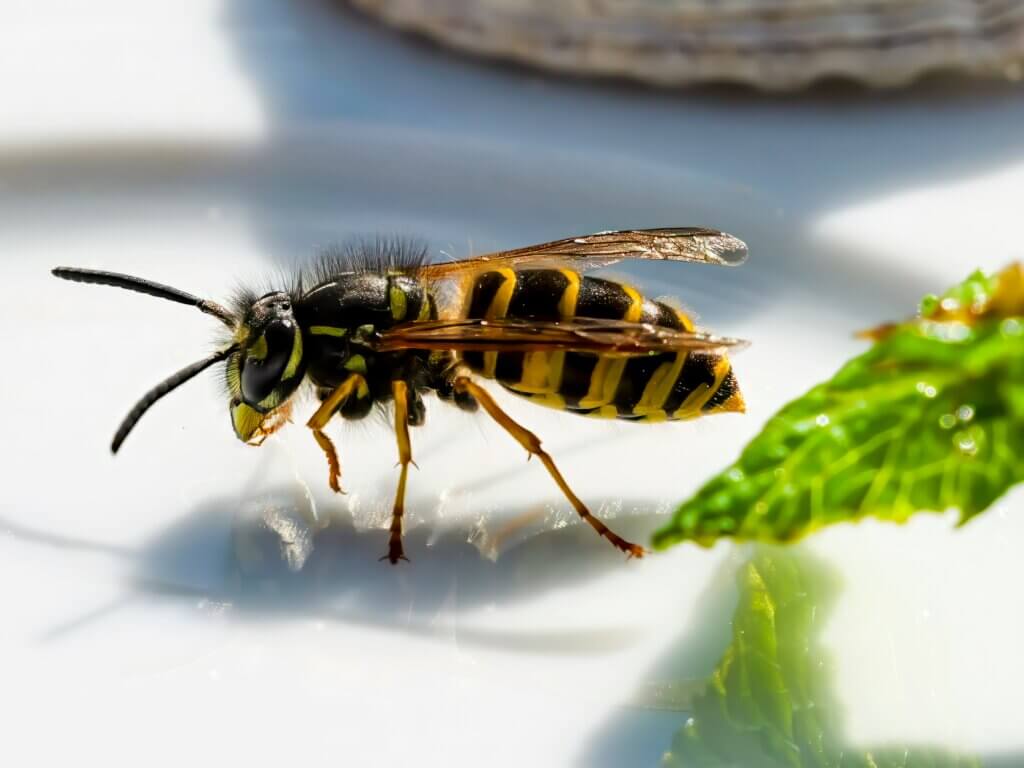
European hornets can reach up to an inch and a half in length, making them an intimidating presence in any yard. Unlike many native species, these hornets can fly at night and are frequently attracted to porch lights and window panes. Because their stings are painful and aggressive nest defense is common, professional hornet control is strongly recommended over DIY removal.
Wolf Spiders and Large Arachnids
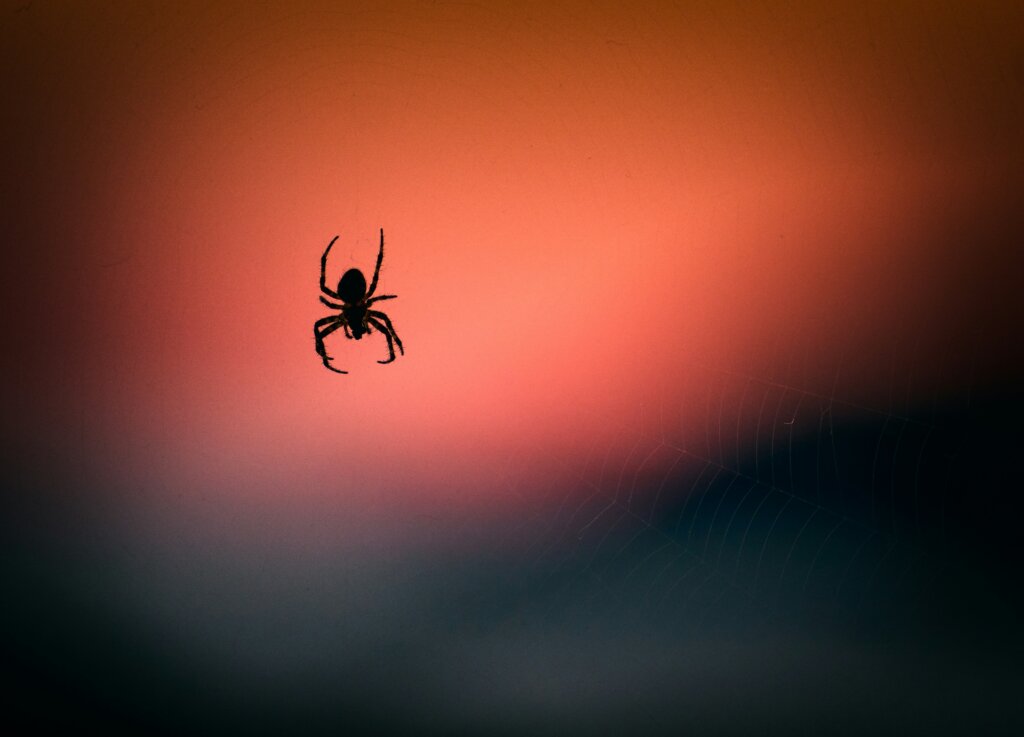
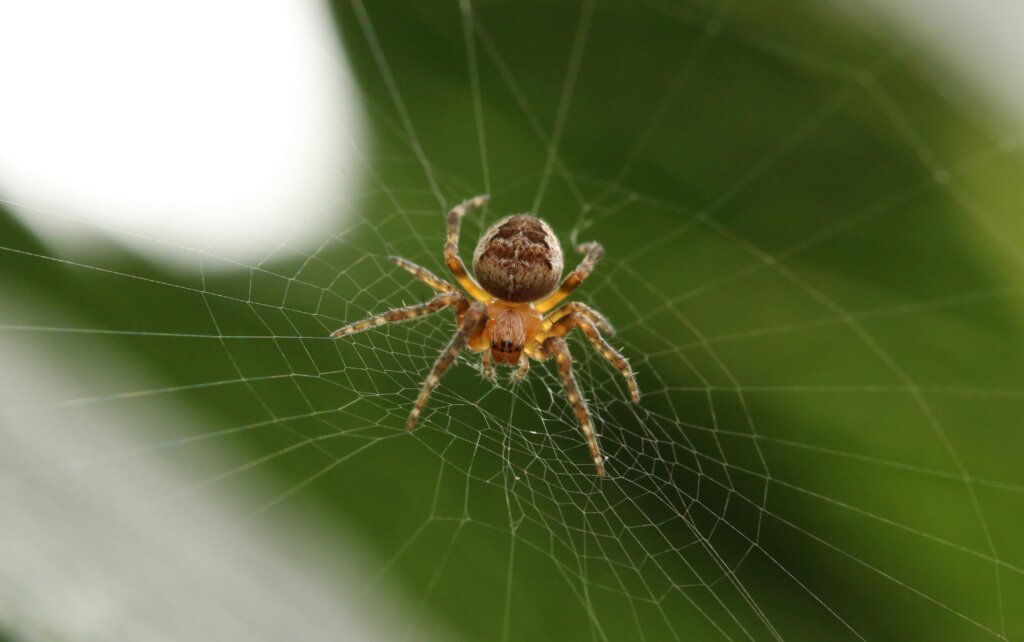
Wolf spiders can span up to four inches with their legs extended, causing significant distress when they scurry across a living room floor. Despite their frightening appearance and rapid movements, wolf spiders do not spin webs to catch prey and are not aggressive toward humans. They hunt pests along baseboards, but a sudden influx usually indicates an underlying population of smaller insects that they are actively hunting.
Subterranean Termites
While worker termites are relatively small, reproductive termite swarmers emerge in large numbers during spring afternoons. Seeing hundreds of winged insects discard their wings around your window sills is a classic indicator that mature colonies are nearby. Comprehensive termite treatment in North Carolina is critical to stopping these wood-destroying insects before they compromise structural framing.
Large Ant Species
North Carolina is home to carpenter ants and invasive species such as big headed ants, which are recognizable by the disproportionately large head size of the soldier caste. Carpenter ants excavate galleries in damp lumber to create nests, while other large ant varieties forage in kitchens and pantries, quickly establishing stubborn indoor scent trails.
How Do Big Bugs Compare to Small Household Pests?
It is natural to assume that the bigger an insect is, the more danger it poses, but that is not always true in the insect world. A tiny parasite like bed bugs can cause sleepless nights, intense itchy bites, and severe psychological stress despite measuring barely a quarter of an inch. Similarly, seasonal invaders like Asian lady beetles, often confused with beneficial ladybugs, invade homes by the thousands even though their individual footprint is small.
When evaluating risk, consider what the insect does rather than simply looking at its size. You can learn more about which creatures present genuine health hazards in our guide on the deadliest pests north carolina residents must navigate. Some big bugs cause superficial fright, while smaller species might carry vector-borne diseases or bite repeatedly.
Why Are There So Many Large Insects in North Carolina?
Several geographic and environmental conditions make our state a haven for large arthropods and wood-destroying organisms:
- Subtropical Climate: Extended warm seasons allow insects more time to feed, mature, and complete multiple reproductive cycles without cold-weather die-offs.
- High Relative Humidity: Moisture-dependent creatures like wood roaches, subterranean termites, and silverfish flourish in damp leaf litter and poorly ventilated crawl spaces.
- Abundant Wooded Ecosystems: From the Appalachian ridges down to coastal wetlands, decaying logs and rich organic soil provide endless food and harborage for ground-dwelling insects.
- Outdoor Lighting Attractants: Bright exterior security fixtures draw nocturnal flyers like giant water bugs and moths directly against exterior siding and entry doors.
How to Get Rid of Large Insects in North Carolina Homes
Managing big bugs requires a multi-step integrated approach that combines exclusion, moisture control, and targeted extermination. Relying solely on store-bought bug sprays usually addresses only the individual insect you can see while leaving the nesting colony hidden inside wall voids or beneath mulch beds.
1. Eliminate Exterior Harborages
Keep firewood piles stacked at least twenty feet away from your home's foundation and elevated off the ground. Trim back overhanging tree branches, dense shrubs, and groundcover that touch exterior walls, as these serve as direct highways for pests migrating toward your roofline and eaves.
2. Seal Up Entry Points
Inspect the exterior perimeter of your house for cracks around utility penetrations, damaged dryer vents, and torn crawl space vent screens. Replace worn weatherstripping under exterior doors and install tight-fitting door sweeps to stop crawling invaders from slipping underneath gaps as small as a pencil eraser.
3. Address Moisture Issues
Big bugs are naturally drawn to water sources. Repair leaking hose bibs, ensure rain gutters direct runoff at least five feet away from the foundation, and consider crawl space vapor barriers or dehumidifiers to eliminate the swampy conditions that attract roaches, centipedes, and subterranean termites.
4. Enlist Professional Pest Management
When large bugs become a recurring nuisance or structural threat, professional exterminators apply protective perimeter barriers that stop pests before they cross the threshold. Technicians possess the protective equipment and specialized treatments necessary to safely handle hornet nests, carpenter ant colonies, and subterranean termite networks.
What Should Homeowners Expect from NC Pest Control for Big Bugs?
Working with an experienced provider like A-1 Pest Control ensures you receive a customized management strategy tailored to North Carolina pest pressures. Here is what a comprehensive service protocol looks like:
- Thorough Property Inspection: A trained technician examines your foundation, attic, crawl space, and exterior landscaping to identify target insect species, entry points, and moisture hot spots.
- Targeted Treatment: Application of targeted baits, microencapsulated materials, or nest injections designed to address the specific biology of the invading pest.
- Perimeter Defense: Creating a protective barrier around foundation walls, window frames, door thresholds, and eaves to prevent future intrusions.
- Long-Term Prevention Guidance: Actionable recommendations for structural maintenance, humidity control, and exterior lighting modifications to keep pests away year-round.
Frequently Asked Questions
What is the largest bug commonly found inside North Carolina homes?
The American cockroach, often referred to locally as a palmetto bug, is typically the largest crawling insect found indoors, reaching lengths of up to two inches. Other massive bugs homeowners frequently encounter include the wolf spider, which can have a leg span exceeding three inches, and giant water bugs that fly in through open doors or garage openings.
Are the big flying water bugs in North Carolina dangerous?
Giant water bugs, sometimes called toe-biters, are not venomous to humans, but they can deliver a surprisingly painful defensive bite if handled or stepped on barefoot. They normally live in aquatic settings such as ponds and slow-moving streams, but they are attracted to bright artificial lights at night and may land on patios or enter open garages.
Why do large bugs seem to invade homes during the summer and fall?
In mid-to-late summer, peak outdoor temperatures and dry spells drive insects indoors in search of moisture, shaded resting areas, and food sources. As temperatures drop in late autumn, large insects like wood roaches, spiders, and hornets seek warm cracks and protected wall voids to overwinter safely.
Can large ants cause structural damage like termites?
Yes, large carpenter ants can cause structural damage to wooden structures over time, although their process differs from termites. While termites actually eat cellulose materials, carpenter ants hollow out smooth galleries inside damp or decaying wood to build nesting sites, which can weaken structural wall studs and floor joists if left untreated.
How can I tell the difference between a subterranean termite swarmer and a flying ant?
Termite swarmers have straight, bead-like antennae, a broad waist with no pinched segments, and four wings that are all identical in size and shape. Flying ants have bent or elbowed antennae, a distinctly pinched waist separating their body segments, and their front wings are noticeably larger than their hind wings.
Schedule Professional Pest Control with A-1 Pest Control
You do not have to share your home with unwanted, oversized pests. The certified team at A-1 Pest Control delivers reliable residential and commercial exterminator services tailored specifically to the regional pest pressures of North Carolina. From perimeter protection to termite treatment and stinging insect removal, our technicians protect your living spaces so you can relax comfortably.
Take back your property from invasive insects today. Visit our website to Get your free inspection or call our local team directly at 828-355-4060. You can also reach out through our contact page to speak with a pest control expert about protecting your home.