

Types of Rats in North Carolina: Identification, Habits, and Control
North Carolina offers a rich variety of natural landscapes, from the coastal plains to the Blue Ridge Mountains. Unfortunately, our warm summers, mild winters, and bustling urban and rural communities also create ideal habitats for nuisance rodents.
When property owners discover scratching sounds in walls or droppings in pantries, identifying the specific types of rats in North Carolina is the first step toward reclaiming your living space. Knowing what species you are dealing with helps you understand where they hide, what they eat, and how to stop them before they cause structural damage or spread illness.
What Are The Main Types Of Rats In North Carolina?
The two primary types of rats found in North Carolina homes and businesses are the Norway rat (Rattus norvegicus) and the roof rat (Rattus rattus), along with native wild species like the eastern woodrat.
Norway rats are heavy, ground-burrowing rodents that invade crawl spaces and basements, while roof rats are sleek, agile climbers that settle in attics and upper structures. Correctly identifying which rat species has entered your property is essential for choosing the right trapping, exclusion, and sanitation strategies.
How Do You Identify Norway Rats In North Carolina?
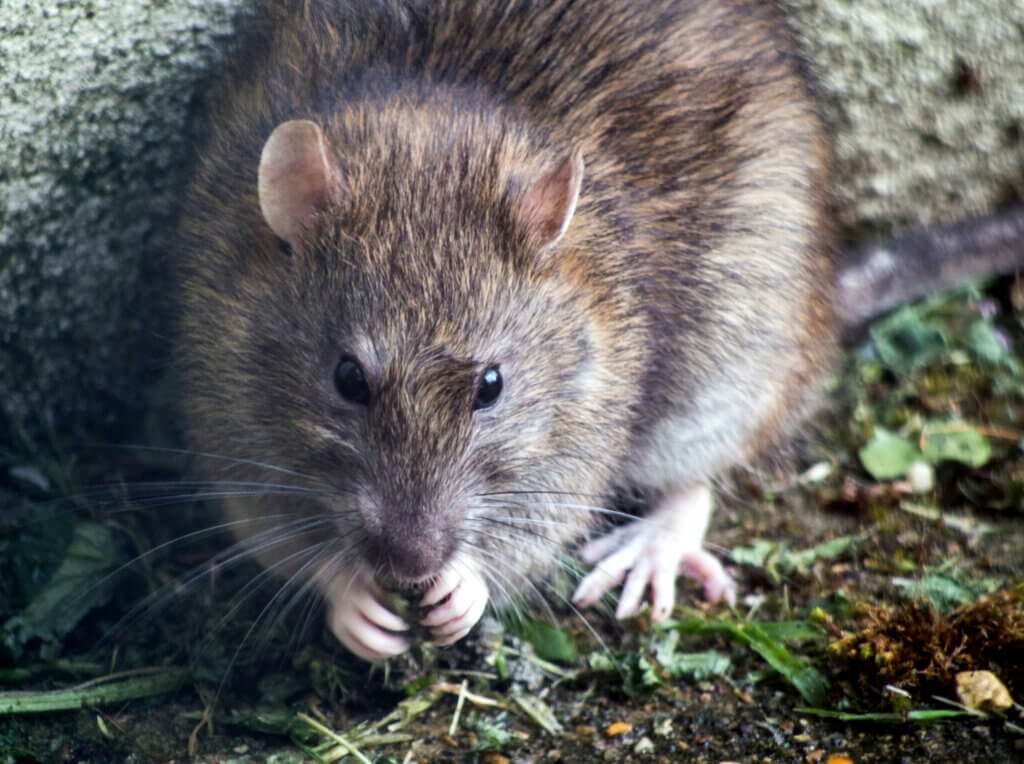
Norway rats, frequently called brown rats, sewer rats, or street rats, are the largest invasive rodents commonly encountered across North Carolina. These rodents have thick, heavy-set bodies measuring between 7 to 10 inches in length, with blunt muzzles, small ears, and scaly tails that are shorter than their head and body combined. Their coarse fur typically ranges from grayish-brown to reddish-brown, with a lighter gray or yellow-white underbelly.
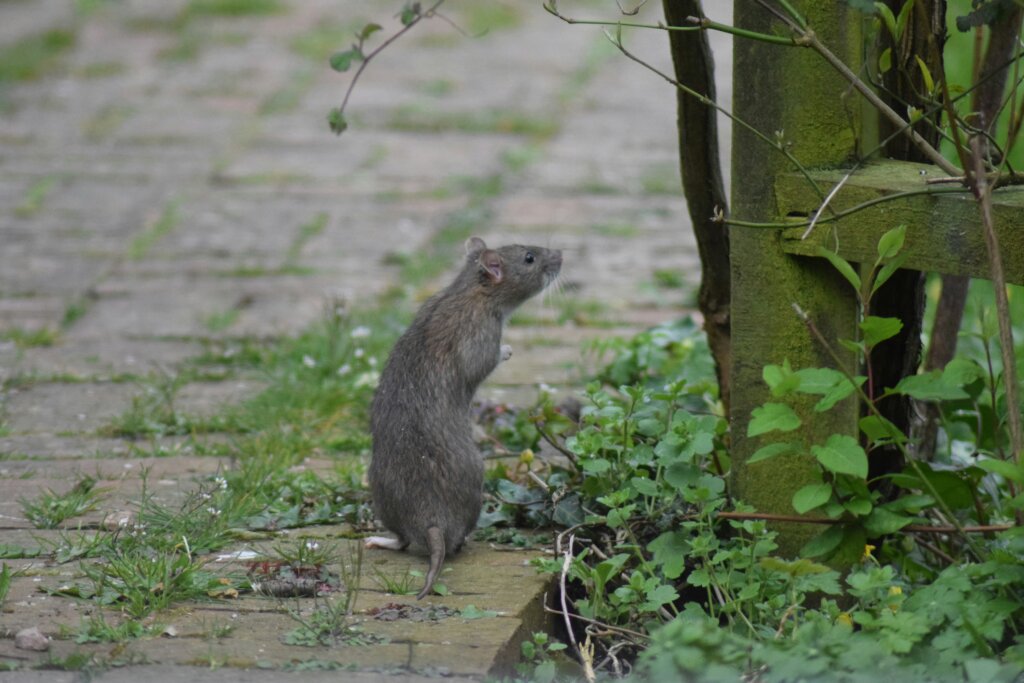
Because of their size and physical limitations, Norway rats are poor climbers compared to other rodents. Instead, they excel at digging and burrowing. In North Carolina neighborhoods, you will often find their burrows alongside building foundations, beneath concrete slabs, under firewood stacks, or around garbage collection areas. Inside homes, they stick close to the ground, frequenting damp basements, crawl spaces, and ground-level storage rooms.
Understanding their nesting and feeding habits can help you spot an infestation early. Norway rats are opportunistic omnivores that require a dependable source of water daily. They consume meat, grains, pet food, and discarded kitchen scraps. For detailed identification guides and images of these pests, visit our rats identification library.
What Are The Characteristics And Habits Of Roof Rats?
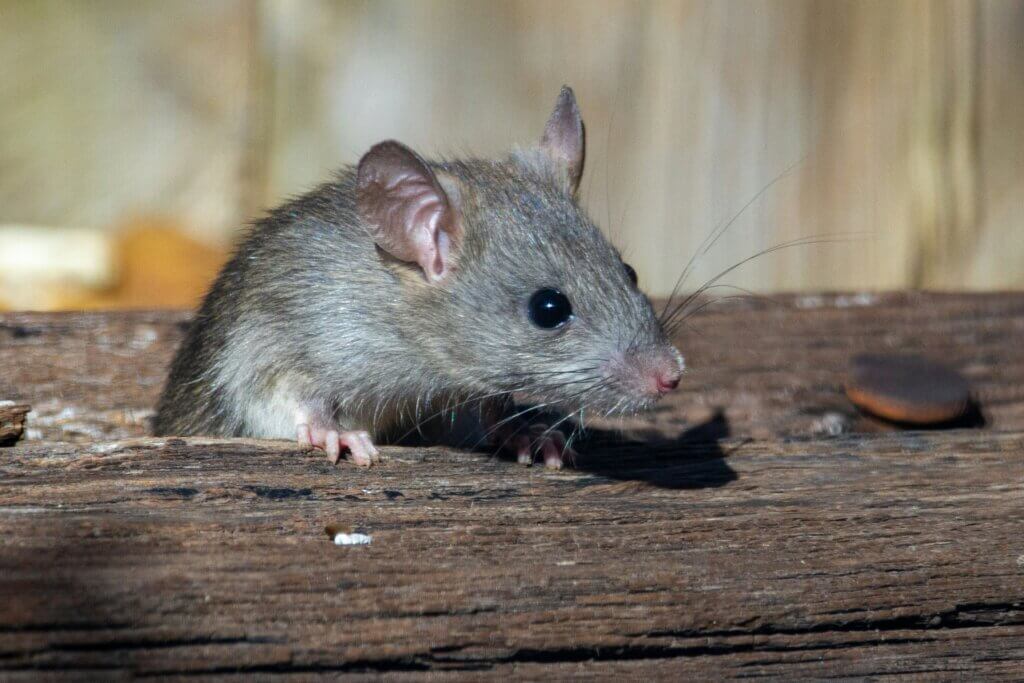
Roof rats, also known as black rats or ship rats, are sleeker, lighter, and far more agile than Norway rats. Adults typically measure 6 to 8 inches from nose to rump, but their slender tails are noticeably longer than their head and body combined. They have smooth dark gray to charcoal-black fur, pointed noses, large prominent ears, and large eyes that give them excellent night vision for navigating high branches and wires.
Unlike burrowing rodents, roof rats are skilled acrobats that prefer elevated nesting sites. In North Carolina, they thrive in coastal ports, suburban neighborhoods with mature tree canopies, and heavily landscaped properties. They routinely travel along utility cables, fence tops, and tree limbs that hang over gutters to gain access to attics, roof soffits, drop ceilings, and upper wall voids.
Roof rats have a dietary preference for fruits, nuts, seeds, berries, and ornamental plants, though they readily feed on unsecured pantry goods. If you hear scampering or scurrying sounds coming from above your bedroom ceiling late at night, roof rats are often the culprit. You can learn more about these agile pests in our mice and rats guide.
What Other Rat Species Live In North Carolina?
While Norway rats and roof rats cause the vast majority of indoor structural infestations, North Carolina is also home to native rodents such as the eastern woodrat (Neotoma floridana). Eastern woodrats, commonly referred to as packrats, are native to rocky bluffs, foothills, and forested regions across the state. They have soft gray-brown fur, large dark eyes, and a fully furred tail, setting them apart from the scaly tails of invasive domestic rats.
Woodrats are notorious for collecting shiny human artifacts, sticks, coins, and debris to construct intricate, mound-like nests known as middens. While they rarely establish breeding colonies inside active living quarters, they frequently nest in mountain cabins, detached sheds, abandoned barns, and outbuildings. Cotton rats (Sigmodon hispidus) are another native species common in North Carolina overgrown fields and agricultural acreage, though they prefer grassy outdoor habitats and seldom invade residential buildings.
What Are The Warning Signs Of A Rat Infestation?
Rats are primarily nocturnal and cautious by nature, meaning an infestation often grows significantly before you ever see an actual rodent. Watching for physical evidence is critical for early detection. The most common warning signs include:
- Droppings: Norway rat droppings are capsule-shaped with blunt ends, measuring roughly 3/4 inch long. Roof rat droppings are spindle-shaped with pointed ends, measuring around 1/2 inch long.
- Gnaw Marks: Rats must continuously chew on hard materials to file down their open-rooted incisors. Look for freshly chewed wood, electrical wiring, plastic pipes, and drywall edges.
- Rub Marks and Grease Smears: Rat fur carries natural oils and dirt. As they travel along baseboards, walls, and rafter beams, they leave behind dark, greasy smudge tracks.
- Unusual Pet Behavior: Dogs and cats have sharp hearing and olfactory senses, often barking or scratching at walls where rodents are hiding.
- Foul Odors: Heavy infestations produce a distinct, musky ammonia odor caused by accumulated urine and rodent secretions.
Why Are Rats So Dangerous Inside North Carolina Properties?
Allowing rats to inhabit your living or work environment introduces severe safety and health hazards. From property damage to disease transmission, rats present risks that demand prompt intervention.
Structural Damage And Fire Hazards
Rats possess powerful jaws capable of chewing through insulation, floor joists, sheetrock, and soft metals. When roof rats gnaw on wiring in attics, they expose live electrical lines, creating an immediate fire hazard for homeowners. Norway rats undermine concrete slabs, patios, and retaining walls through extensive burrowing activities.
Health Risks And Pathogen Transmission
Rats are notorious carriers of infectious pathogens and secondary parasites. They transmit illnesses such as leptospirosis, rat-bite fever, salmonellosis, and lymphocytic choriomeningitis (LCMV) through contaminated food surfaces and water. Furthermore, wild rodents carry fleas, ticks, and mites into indoor spaces, multiplying the pest control challenges facing a household.
How Do Pest Pressures Shift Throughout The Year?
In North Carolina, pest challenges evolve with the seasons. During chilly autumn and winter months, Norway rats and roof rats seek thermal refuge, pushing into crawl spaces, attics, and kitchens. In spring and summer, warm weather spurs outdoor pest activity, prompting homeowners to manage both rodents and nuisance insects such as ants.
Many homeowners who find rodents also discover insect trails near entry gaps or pantry supplies. If you are experiencing multiple pest pressures across the warm season, explore our guide on common ants and elimination tips to keep your property fortified against seasonal intruders.
How Can You Prevent Rats From Entering Your Property?
Effective rodent management combines sanitation, physical exclusion, and habitat modification. Take these practical steps to reduce rodent attraction around your home:
- Seal Exterior Entry Points: Inspect your foundation, crawl space vents, roofline, and pipe penetrations. Seal openings larger than a quarter-inch using copper mesh, steel wool, and silicone caulk.
- Trim Overhead Foliage: Cut back tree branches and climbing vines at least six feet away from your roofline and exterior walls to deny roof rats an easy pathway into your attic.
- Manage Food Sources: Store pet food, birdseed, and pantry dry goods in heavy plastic or metal containers with airtight seals. Clean up fallen fruit and garden debris regularly.
- Secure Garbage Cans: Use durable outdoor trash cans with tight-fitting lids, and wash bins periodically to remove food residues that attract foragers.
- Eliminate Excess Moisture: Repair leaking outdoor spigots, clear clogged gutters, and ensure crawl spaces stay dry to reduce water sources.
Frequently Asked Questions
Which types of rats are most common in North Carolina?
The two most common types of rats invading homes and businesses across North Carolina are the Norway rat and the roof rat. Norway rats prefer ground-level areas such as crawl spaces, basements, and foundation burrows. Roof rats are agile climbers that inhabit attics, upper wall voids, and tree canopies. Both species present significant risks of property damage and food contamination.
Can Norway rats and roof rats infest the same North Carolina home?
While it is possible for both species to occupy the same geographic territory, they rarely inhabit the exact same building at the same time. Norway rats are larger and aggressive, generally outcompeting roof rats for ground-level territory. In rare instances involving large multi-story commercial facilities, Norway rats may occupy the basement while roof rats nest in upper rafters and ceiling voids.
How do I know whether I have rats or mice?
The primary differences lie in size, droppings, and physical proportions. Adult rats are significantly larger, weighing up to 10 to 16 ounces, whereas house mice weigh only about half an ounce. Rat droppings measure between 1/2 to 3/4 inch, while mouse droppings are tiny, pointed, and measure roughly 1/8 to 1/4 inch. Mice also have smaller feet and heads relative to their bodies compared to juvenile rats.
Why are rats such a major threat to homes and businesses?
Rats pose dual threats to health and property integrity. Their habit of chewing on electrical wiring creates dangerous structural fire hazards, while burrowing can damage concrete foundations and crawl spaces. Additionally, rats contaminate food prep surfaces with droppings and urine, spreading serious bacterial illnesses like salmonellosis and leptospirosis while carrying fleas and ticks into interior spaces.
What is the most effective way to eliminate a rat infestation?
Complete rat eradication requires a comprehensive, integrated pest management strategy that combines entry-point exclusion, strategic trapping, and harbor reduction. Over-the-counter poisons often lead to rodents dying inside inaccessible wall cavities, causing severe odor problems. Working with a qualified exterminator ensures that all rodents are trapped safely, entry points are sealed, and recurring infestations are prevented.
Schedule Rodent Control With A-1 Pest Control
Do not let destructive rodents compromise the safety, hygiene, and comfort of your North Carolina home or business. The experienced exterminators at A-1 Pest Control have protected local properties for decades with customized pest control, targeted trapping, and proven exclusion services. Whether you are dealing with burrowing Norway rats in your crawl space or roof rats in your attic, our trained specialists have the tools to solve the problem at the root.
Get your free inspection to have a licensed technician thoroughly assess your property and provide an effective, long-term rodent solution. You can also reach our team directly at 828-355-4060 or message us through our contact page to protect your family and property today.