

Identifying and Eliminating Common NC Ants
As the weather warms up here in North Carolina, many of us look forward to spending more time outdoors. But with the joys of spring and summer often comes an unwelcome guest: ants! If you've ever found a trail of tiny invaders marching across your kitchen counter, you know how frustrating it can be. Here at A-1 Pest Control, we understand the unique challenges homeowners face with the various types of ants in NC. We're here to help you not only identify these common pests but also provide you with effective strategies for getting rid of them.
Ants might seem like a minor nuisance, but some species can cause significant damage to your home or pose health risks. Knowing what you're up against is the first step in effective ant control. Let's dive into the most common ant species we encounter in North Carolina and how to tackle them.
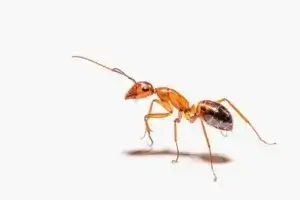
Understanding the Enemy: Common NC Ant Species
North Carolina is home to a variety of ant species, each with its own habits and preferred nesting sites. While they all share some common characteristics, understanding their differences is key to successful eradication. Misidentifying an ant can lead to using the wrong treatment, which can be ineffective or even make the problem worse.
Odorous House Ants: The Stinky Invaders
Odorous house ants are perhaps one of the most common household pests we deal with. These small, dark brown to black ants are known for the distinct, rotten coconut-like smell they emit when crushed. They are often found foraging for sweets and can quickly establish large colonies.
You'll typically find odorous house ants nesting in wall voids, beneath floors, in insulation, or even in potted plants. They are particularly attracted to moisture, so bathrooms and kitchens are common hotspots. While they don't cause structural damage, their sheer numbers can be incredibly annoying.
Carpenter Ants: The Wood Destroyers
Carpenter ants are larger than most other ant species in NC, typically black, red, or a combination of both. Unlike termites, carpenter ants don't eat wood; instead, they tunnel through it to create nests. This tunneling can cause significant structural damage to your home over time if left unchecked.
You might spot carpenter ants foraging for food, especially at night. Look for piles of sawdust-like material (frass) near wooden structures, which is a telltale sign of their activity. They often nest in damp or decaying wood, so areas with water leaks are particularly vulnerable.
Fire Ants: The Painful Stingers
Red imported fire ants are an aggressive and painful pest, especially prevalent in the warmer regions of North Carolina. These reddish-brown ants build distinctive mounds in yards, often after rain. Their stings are not only painful but can also cause allergic reactions in some individuals.
Fire ants are a serious concern, especially for families with children and pets who might accidentally disturb a mound. If you suspect fire ants on your property, it's crucial to address them quickly and effectively to prevent painful encounters.
Pavement Ants: The Sidewalk Dwellers
Pavement ants are small, dark brown to black ants that often nest under sidewalks, driveways, and foundations. You'll frequently see them foraging for food outdoors, but they can also enter homes in search of crumbs and spills. They are not typically destructive but can be a persistent nuisance.
These ants are opportunistic feeders, consuming a wide variety of foods, including grease, sweets, and other insects. While they don't pose a significant threat to your home's structure, their presence indoors can be a sign of entry points that need sealing.
Argentine Ants: The Supercolony Builders
Argentine ants are small, light to dark brown ants known for forming massive supercolonies. They are highly adaptable and can quickly infest homes in large numbers, often displacing other ant species. They are attracted to sweets and can be found trailing across surfaces in search of food.
These ants are particularly challenging to control due to their large colony sizes and multiple queens. If you're seeing an overwhelming number of ants, especially in long trails, you might be dealing with Argentine ants. Effective ant control North Carolina often requires a comprehensive approach for this species.

Effective Strategies for Ant Control in North Carolina
Once you've identified the type of ant you're dealing with, you can implement more targeted control strategies. While DIY methods can offer temporary relief, persistent or severe infestations often require professional intervention. Here's what we recommend at A-1 Pest Control.
Sanitation: Your First Line of Defense
Good sanitation is paramount in preventing and controlling ant infestations. Ants are constantly searching for food and water, so eliminating these attractants is crucial. Wipe up spills immediately, sweep floors regularly, and store food in airtight containers. Don't forget about pet food bowls; clean them regularly and avoid leaving food out overnight.
Taking out the trash frequently and ensuring your outdoor garbage cans are sealed can also make a big difference. A clean home is less appealing to foraging ants.
Seal Entry Points: Block Their Access
Ants can squeeze through incredibly small cracks and crevices. Inspect your home's exterior for potential entry points. Seal cracks in foundations, around windows and doors, and utility penetrations with caulk or weatherstripping. This physical barrier can significantly reduce the number of ants entering your home.
Pay close attention to areas where pipes or wires enter the house. Even tiny gaps can serve as an open invitation for ants. Regular maintenance and sealing can prevent future infestations and make your home less accessible to pests.
Moisture Control: Eliminate Attractants
Many ant species, especially carpenter ants and odorous house ants, are attracted to moisture. Repair leaky pipes, faucets, and roofs promptly. Ensure proper ventilation in crawl spaces and attics to prevent moisture buildup. Dehumidifiers can also be helpful in damp areas of your home.
Addressing moisture issues not only deters ants but also helps prevent other pest problems and protects your home from water damage. A dry environment is a less hospitable one for many common household pests.
Baiting and Sprays: Targeted Treatments
Over-the-counter ant baits can be effective for some species, especially those attracted to sweets or grease. The idea behind baits is that ants carry the poisoned food back to their colony, eventually eliminating the queen and the rest of the nest. It's important to use the right type of bait for the specific ant species.
Insecticide sprays can provide immediate knockdown for visible ants, but they often don't address the root of the problem – the colony itself. For a more lasting solution, especially with larger infestations, a combination of strategies is usually necessary. Always read and follow product labels carefully when using any pesticides.

When to Call the Professionals: A-1 Pest Control is Here to Help
While the tips above can certainly help manage minor ant problems, some infestations are simply too large or persistent for DIY methods. This is especially true for destructive species like carpenter ants or aggressive ones like fire ants. That's where A-1 Pest Control comes in.
As your local experts in ant control North Carolina, we have the knowledge, experience, and specialized tools to accurately identify the ant species, locate their nests, and implement effective, long-term solutions. We understand the unique pest pressures of our region and tailor our treatments to your specific situation, ensuring we get rid of ants efficiently and safely.
Don't let ants take over your home. If you're struggling with a persistent ant problem, or if you're unsure about the types of ants in NC you're dealing with, it's time to call in the ant & pest professionals at 828-547-3955. We're committed to providing you with a pest-free home and peace of mind.
Frequently Asked Questions
What attracts ants to my house?
Ants are primarily attracted to food and water sources. Crumbs, spills, uncovered food, pet food, and even moisture from leaky pipes or high humidity can draw them in. They are also looking for shelter and suitable nesting sites, which your home can inadvertently provide, especially in wall voids or damp wood.
Are ants in North Carolina dangerous?
Most common ants in North Carolina are not dangerous in terms of posing a health threat, though their presence can be a nuisance. However, fire ants deliver painful stings that can cause allergic reactions in some individuals. Carpenter ants, while not stinging, can cause significant structural damage to your home by tunneling through wood if their infestation is left untreated.
How can I prevent ants from coming back?
Prevention is key! Maintain excellent sanitation by cleaning up spills and crumbs immediately, storing food in airtight containers, and regularly taking out the trash. Seal all cracks and crevices around your home's foundation, windows, and doors. Address any moisture issues promptly, such as leaky pipes or poor ventilation, as ants are attracted to damp environments.
What's the difference between carpenter ants and termites?
While both carpenter ants and termites can damage wood, they do so differently. Carpenter ants tunnel through wood to create nests, pushing out sawdust-like frass. Termites, on the other hand, eat wood and leave behind mud tubes and fecal pellets. Termites also have straight antennae and a broad waist, while carpenter ants have elbowed antennae and a constricted waist.
When should I call a professional for ant control?
You should consider calling a professional like A-1 Pest Control if you have a persistent ant problem that DIY methods aren't solving, if you're dealing with a large infestation, or if you suspect you have carpenter ants or fire ants. Professionals can accurately identify the species, locate the colony, and apply targeted treatments that are more effective and safer than many over-the-counter options.
Is ant bait or spray more effective?
Both ant baits and sprays have their uses, but they work differently. Sprays provide immediate knockdown for visible ants but often don't eliminate the entire colony. Baits are designed for ants to carry the poison back to the nest, eventually killing the queen and the rest of the colony, offering a more long-term solution. For best results, a combination of strategies, often including professional treatment, is usually most effective, especially for larger infestations.
How long does it take to get rid of an ant infestation?
The time it takes to get rid of an ant infestation can vary widely depending on the species, the size of the colony, and the chosen treatment method. Minor infestations might be resolved in a few days with DIY methods. However, larger or more complex infestations, especially those involving multiple colonies or destructive species, can take several weeks to fully eradicate, often requiring professional intervention and follow-up treatments.